Yazılar

BRICS Nations Have No Intent to Undermine U.S. Dollar, Says Indian Foreign Minister

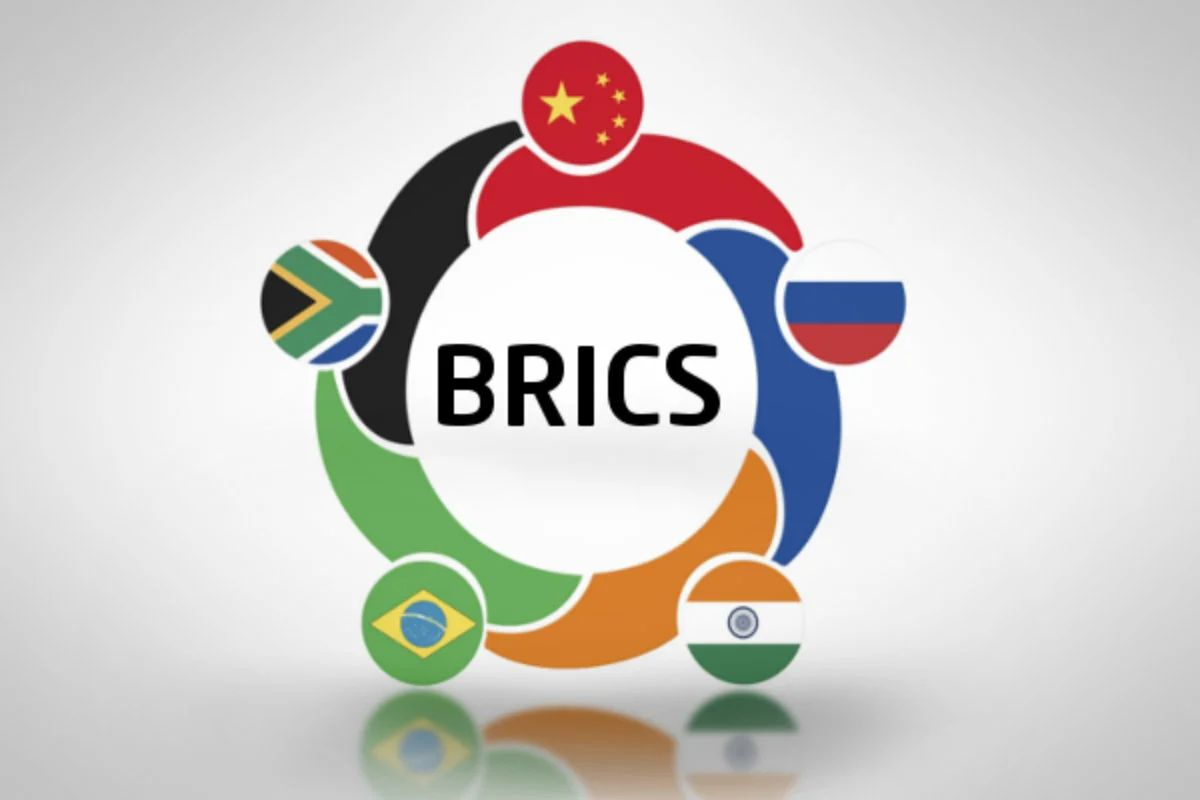
India’s Foreign Minister, Subrahmanyam Jaishankar, emphasized on Saturday that the BRICS nations—comprising Brazil, Russia, India, China, and South Africa—have no intention of weakening the U.S. dollar. Speaking at an event in Doha, Qatar, Jaishankar sought to dispel concerns regarding the bloc’s monetary policies and intentions.

His comments come in the wake of U.S. President-elect Donald Trump’s ultimatum to BRICS countries. Trump recently demanded that the bloc refrain from creating or supporting an alternative currency to replace the dollar. Failure to comply, he warned, could result in the imposition of 100% tariffs on goods from BRICS member nations.

Context and Background

The U.S. dollar has long dominated global trade and financial markets, with BRICS countries occasionally proposing mechanisms to reduce dependence on it for international transactions. However, Jaishankar’s statement underscored India’s stance that BRICS aims to enhance multilateral cooperation without disrupting the global economic order.

“The BRICS framework has always focused on promoting shared growth and balanced trade partnerships, rather than challenging existing systems,” Jaishankar stated.

Trump’s Stance on BRICS and Global Currency

Trump’s sharp rhetoric reflects his administration’s broader concerns about potential threats to the dollar’s supremacy in global trade. The president-elect has also consistently advocated for protective economic measures to shield the U.S. from perceived challenges posed by major emerging economies.

While some BRICS nations, particularly China and Russia, have explored alternatives to reduce dollar dependency—such as using local currencies for trade or discussing a potential BRICS currency—there has been no formal move to establish a competitor to the U.S. dollar.

India’s Diplomatic Position

India, as one of the leading voices within BRICS, has reiterated its commitment to global financial stability. Jaishankar stressed that any speculation about undermining the dollar is unfounded and counterproductive to fostering international economic cooperation.

The Indian foreign minister also hinted at the need for constructive dialogue between the U.S. and BRICS to address concerns rather than escalating tensions through unilateral measures like tariffs.

U.S. Inflation Edges Up, But Investors Find Reasons to Be Thankful

Inflation Data and Market Reactions

U.S. inflation in October showed a modest uptick, with the personal consumption expenditures (PCE) price index rising by 0.2% month-over-month and 2.3% year-over-year, as reported by the U.S. Commerce Department. Core inflation, which excludes food and energy, increased by 0.3% month-over-month, with an annual reading of 2.8%, slightly higher than the previous month’s 2.7%. These figures were in line with analysts’ expectations, and they had little impact on investor sentiment.

Despite the inflation data, U.S. stock markets saw a pause in their recent rally. The S&P 500 ended its seven-day winning streak, falling by 0.38%. Bond prices rose as Treasury yields slipped. On the global front, Asia-Pacific stocks saw a mixed performance, with Australia’s S&P/ASX 200 climbing to a record high, while South Korea’s Kospi index remained flat after an unexpected rate cut by its central bank.

South Korea’s Unexpected Rate Cut

On Thursday, the Bank of Korea (BOK) reduced its benchmark interest rate by 25 basis points to 3%, surprising economists who had expected no change. This decision came after South Korea reported disappointing third-quarter GDP growth of just 0.1%. The BOK also lowered its 2024 growth outlook to 2.2%, down from 2.4%. The rate cut is seen as a response to slow economic activity and the need for stimulus.

Yuan Pressure Amid Tariff Threats

China’s offshore yuan is facing downward pressure, with forecasts predicting it could weaken to an average of 7.51 per U.S. dollar by the end of 2025, marking its lowest level on record. This decline is largely attributed to concerns over U.S. tariff threats and lower interest rates in China. As tensions rise between the U.S. and China, the yuan is expected to face further challenges, adding to the uncertainty in the global markets.

U.S. Tariffs: Potential Winners and Losers

While U.S. President-elect Donald Trump’s tariff plans raise concerns for investors and companies, some sectors could stand to benefit. The proposed tariffs could be advantageous for technology firms that specialize in optimizing supply chains. These companies could gain from the increased demand for their services as businesses seek to adjust to the higher costs imposed by tariffs.

Investor Sentiment Ahead of Thanksgiving

Ahead of the Thanksgiving holiday, U.S. investors kept their trading light, with trading volume in the SPDR S&P 500 exchange-traded fund (ETF) falling by 22.6% below its 30-day average. Despite the S&P 500’s dip and the Dow Jones Industrial Average’s 0.31% slide, there were no signs of a panic sell-off. Instead, traders appeared to be taking profits from Big Tech stocks, causing the Nasdaq Composite to drop 0.6%.

Inflation’s modest increase didn’t rattle investors either. In fact, many seem confident that the U.S. Federal Reserve may lower interest rates by 25 basis points at its upcoming December meeting. Market expectations for this rate cut have risen to 68.2%, up from 55.7% a week earlier, according to the CME FedWatch tool.

A Bright Market Outlook

Despite some market fluctuations, the overall sentiment remains positive. Chris Verrone from Strategas noted that over three-quarters of the stocks in the S&P 500 are above their 200-day moving average, indicating a steady upward trend and a healthy market. With the economy nearing full employment and inflationary pressures easing, many analysts believe that the market is still in a solid position, providing investors with plenty to be thankful for this Thanksgiving.


China-EU Tariff Dispute Unlikely to Escalate Further, Analysts Say

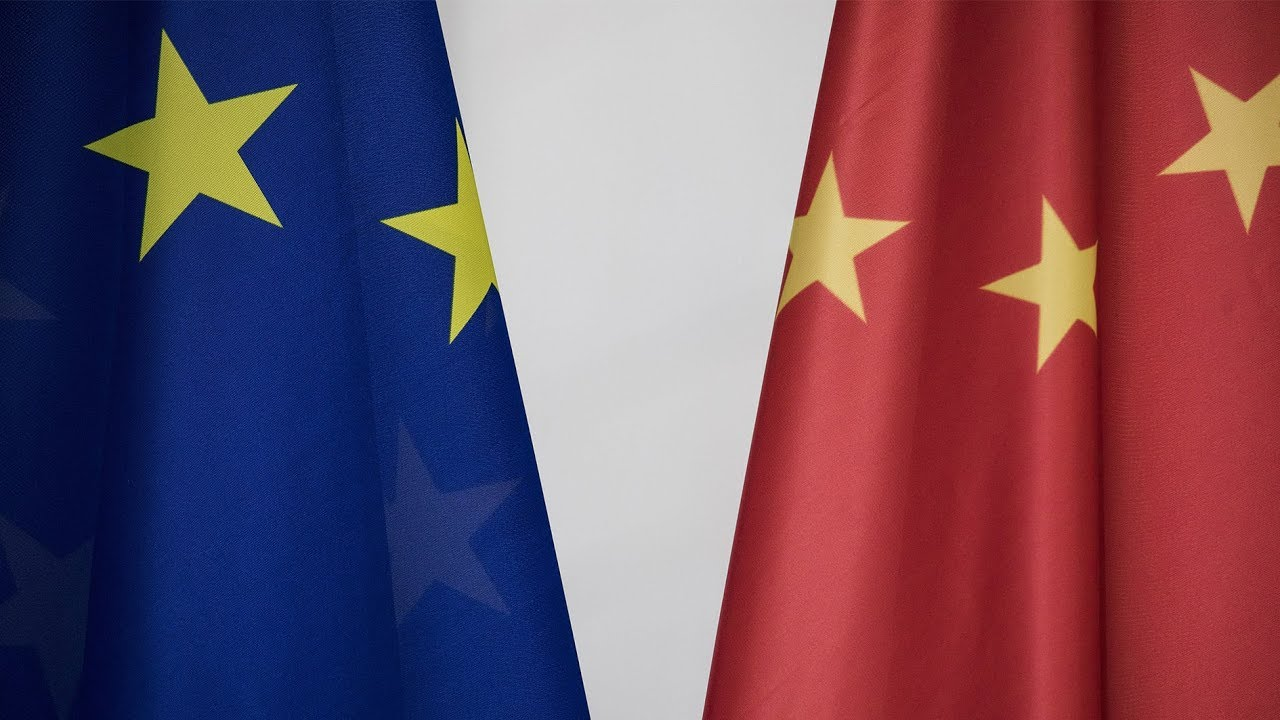
As China seeks resolution to its tariff dispute with the European Union (EU) regarding electric vehicles (EVs), analysts predict that Beijing will approach the situation with caution. Following China’s recent appeal to the World Trade Organization (WTO) to address the EU’s tariffs on its EVs, industry experts believe that both parties will avoid escalating the conflict significantly.

On Monday, China’s commerce ministry announced it had filed another complaint with the WTO, emphasizing that bilateral talks have not yielded satisfactory results. According to Shaun Rein, managing director of China Market Research, this latest action serves as a “warning shot” to Europe, indicating China’s strength while signaling a desire for cooperation. He anticipates a “measured” response from China as it navigates its economic relationship with Europe, particularly amid rising tensions with the U.S.

Since the implementation of the EU’s tariffs last Wednesday, discussions have surfaced regarding establishing minimum price commitments from Chinese car manufacturers as an alternative to the tariffs. The EU accounted for over 40% of China’s EV exports in 2023, making the economic stakes significant for both parties.

Sam Radwan, CEO of Enhance International, stated that the likelihood of the China-EU dispute escalating to the level of the U.S.-China trade tensions is low, primarily due to the EU’s dependence on China in its EV supply chain. The EU has increased tariffs on Chinese EVs to as high as 45.3% following a year-long investigation, prompting China to respond by targeting European exports like pork, dairy, and brandy.

European trade officials continue to engage in talks with their Chinese counterparts. Maros Sefcovic, the European Commission’s vice president, referred to China as the EU’s “most challenging trading partner” and expressed the bloc’s intent to be more assertive in addressing what it perceives as structural imbalances and unfair trade practices. Sefcovic emphasized that the EU does not seek trade wars but aims to rebalance its trade relationship with China.

Eugene Hsiao, head of China Autos at Macquarie Capital, noted that China will explore various avenues to pressure the EU into lowering tariffs. He suggested that a successful negotiation for lower tariffs could influence the level of investment Chinese EV manufacturers might consider for local production within the EU.

Reports indicate that China has advised its automakers to pause significant investment plans in European nations that support the tariffs, urging them instead to focus on countries that opposed the tariff measures. Notably, while countries like France, Poland, and Italy supported the tariffs in a recent vote, Germany, the EU’s largest economy and a significant car producer, opposed them.

In a meeting on Sunday, Chinese Commerce Minister Wang Wentao encouraged France to play a proactive role in fostering a solution that would benefit both the European and Chinese electric vehicle sectors. French junior trade minister Sophie Primas reaffirmed that while the EU aims to maintain trade relations with China, it would not compromise on critical issues.