Yazılar

Intel Faces Yield Problems in Key 18A Manufacturing Process for Next PC Chip

Intel’s ambitious push to regain leadership in high-end chip manufacturing has hit a significant hurdle. According to sources familiar with the matter, its next-generation “18A” production process — critical for the upcoming “Panther Lake” laptop chips — is struggling with low yields, raising concerns about profitability and competitiveness against industry leader TSMC.

The 18A process is central to Intel’s strategy of expanding its in-house chipmaking and building a competitive foundry business. Billions have been invested in factories and technology, aiming to close the gap with TSMC. Panther Lake, expected in high volumes in 2025, features next-gen transistors and a more efficient power delivery system.

However, early tests have shown disappointing results. Only a small fraction of chips have met required standards, with yields reportedly around 5% late last year and about 10% by mid-2024. Intel disputes these figures but has not disclosed official numbers. Industry norms suggest profitability usually requires yields between 70% and 80%. Without major improvements by the planned Q4 launch, Intel may face selling chips at reduced margins or even at a loss.

Intel CFO David Zinsner acknowledged yields “start off low and improve over time” and stressed that the product remains “fully on track.” Still, sources describe the 18A rollout as risky, likening it to a “Hail Mary” due to the simultaneous introduction of multiple untested technologies.

Compounding the challenge, defect rates per chip area are reportedly about three times higher than acceptable for mass production. While Intel is working to improve yields monthly, margins are not yet favorable even at current levels. The company has warned that without securing external business for 14A — the successor to 18A — it could exit advanced manufacturing altogether.

For now, Intel still relies partly on TSMC for some in-house designs. Its follow-up to Panther Lake, “Nova Lake,” is also expected to be produced partly by TSMC.

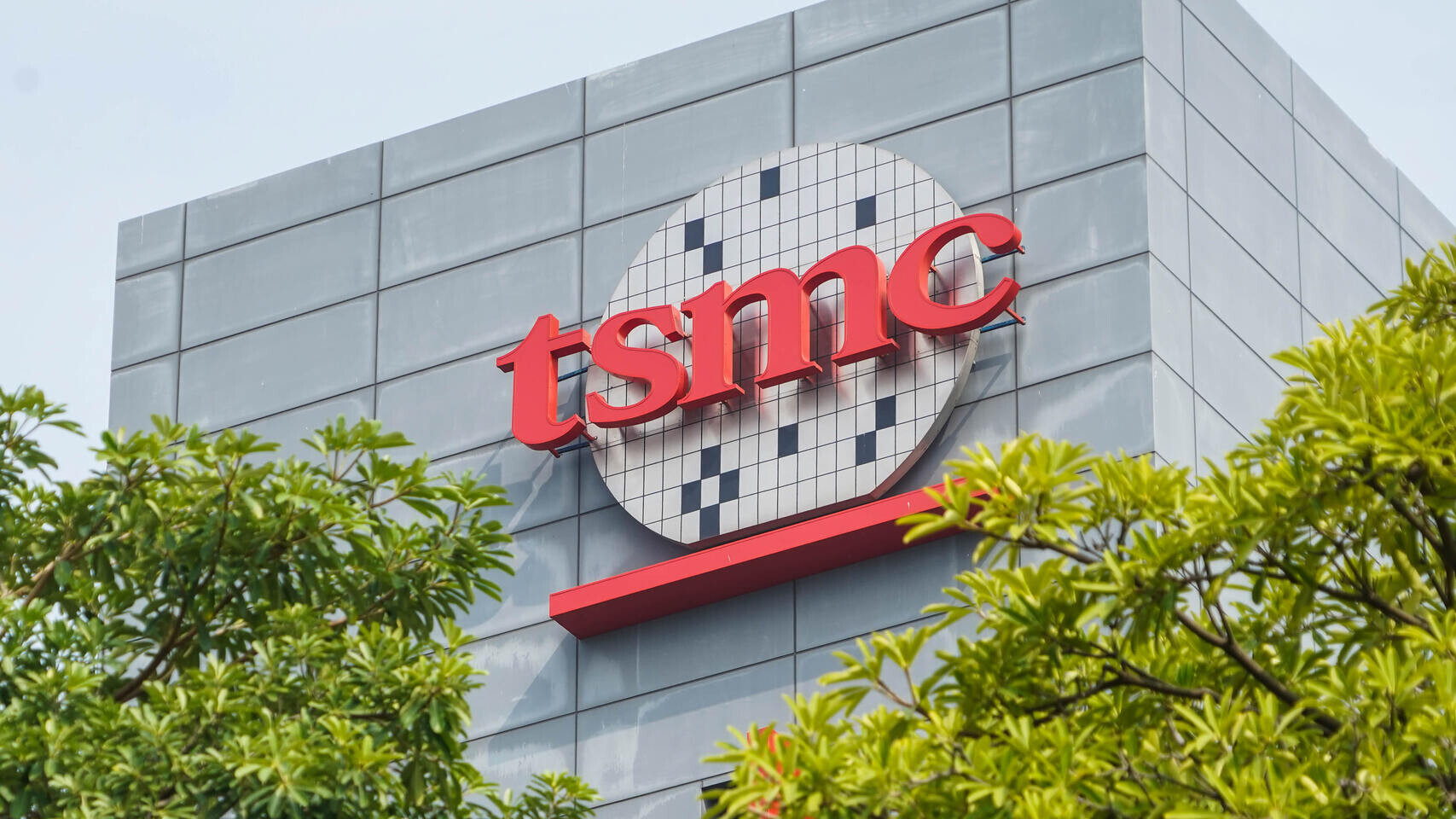
Taiwanese prosecutors detain three over alleged TSMC chip secret theft

Taiwanese prosecutors have detained three individuals — two current TSMC employees and one former staff member surnamed Chen — over allegations of stealing trade secrets from Taiwan Semiconductor Manufacturing Co (TSMC), the world’s largest chip foundry. The detentions took place late last month following a TSMC internal investigation that uncovered unauthorized access to company information.

Two additional suspects were released on bail, while another was released without bail. Authorities suspect the detained individuals of violating Taiwan’s national security law, though no detailed identities have been disclosed.

TSMC stated it initiated legal action and disciplinary measures against those involved after routine monitoring detected suspicious activity. The company’s early detection system prompted swift internal inquiries, leading to the identification of personnel linked to the breach. The matter is now under judicial review, preventing further public disclosure from TSMC.

According to Nikkei Asia, the case involves attempts by several former employees to obtain highly sensitive information related to TSMC’s 2-nanometer chip technology — considered the industry’s most advanced in density and energy efficiency. Investigations have not yet determined whether the stolen information was transferred to external parties or the full scope of the leak.

Taiwanese media outlet United Daily News reported that prosecutors also searched offices of Japanese chip equipment supplier Tokyo Electron, though both the company and prosecutors declined comment.

TSMC, a critical supplier to Nvidia, Apple, and Qualcomm, reiterated its zero-tolerance policy on trade secret violations, vowing to prosecute offenders to the fullest extent of the law.

TSMC Reports 38.6% Year-on-Year Sales Increase in Q2, Exceeding Forecasts

Taiwan Semiconductor Manufacturing Company (TSMC), the world’s largest contract chipmaker, announced second-quarter revenue of NT$933.8 billion ($31.9 billion), surpassing market expectations. This represents a 38.6% increase compared to NT$673.5 billion recorded in the same period last year.

The strong performance exceeded the LSEG SmartEstimate consensus of NT$927.8 billion from 21 analysts, as well as TSMC’s own April guidance, which forecasted revenue between $28.4 billion and $29.2 billion. The company is set to release its full Q2 earnings report, including outlooks for the current quarter and full year, on July 17.

TSMC has benefited significantly from the growing demand for artificial intelligence (AI) technologies, with major customers such as Nvidia relying on its advanced chip manufacturing capabilities.