
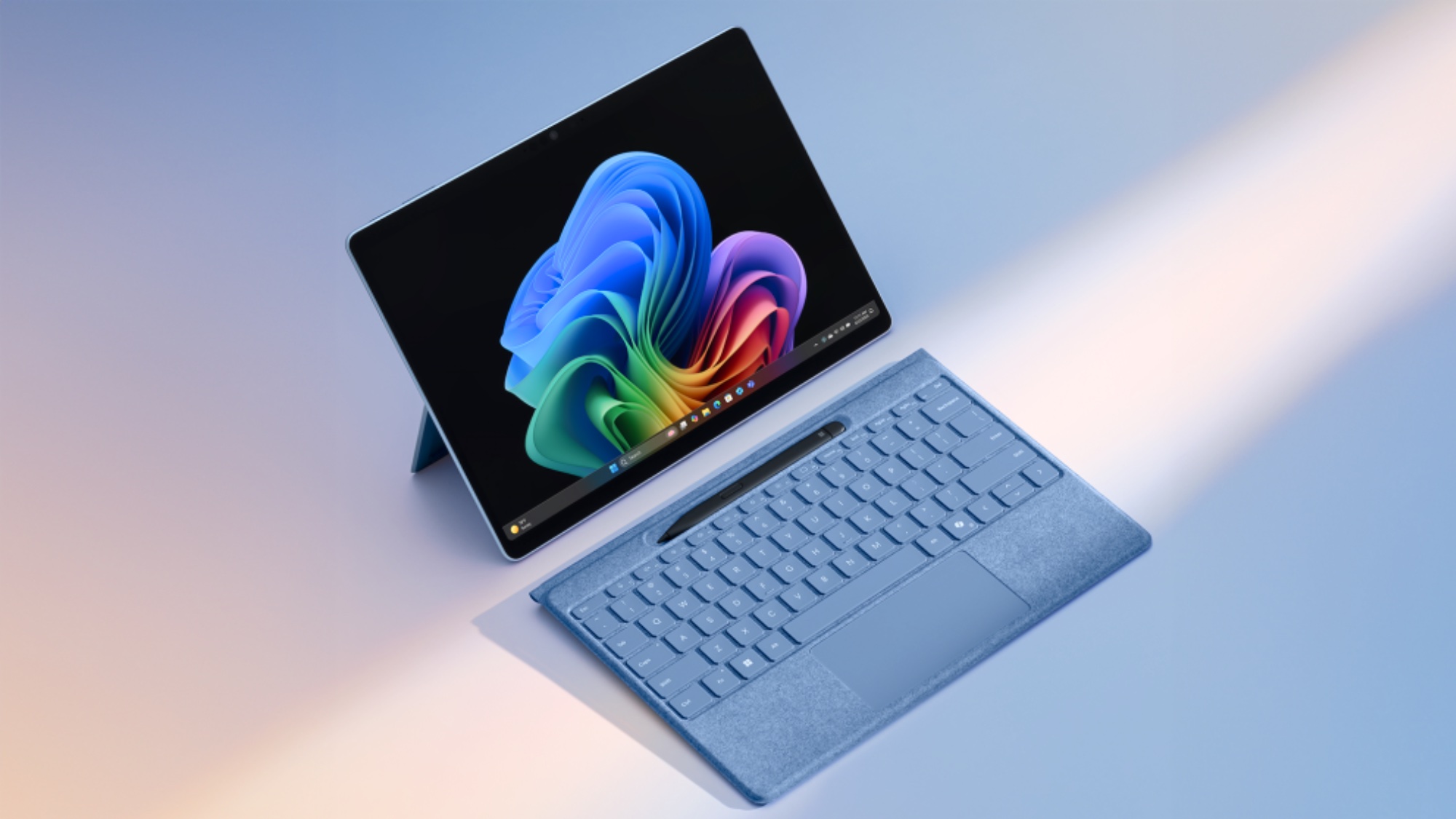
Microsoft Surface Pro and Surface Laptop Featuring ARM-Based Chips Expected to Arrive in 2026
Microsoft is reportedly planning to introduce Arm-based processors from AMD in its next-generation Surface devices, according to recent leaks. These new models are expected to succeed the Surface Laptop 7 and Surface Pro 11, potentially launching in 2026. This move would mark a shift for Microsoft, which currently offers Surface products powered by Qualcomm’s Snapdragon X series chips as well as Intel’s x86 processors. The upcoming Arm-powered devices could come at a more affordable price point, aiming to attract users looking for budget-friendly options with efficient performance.
Details shared on the NeoGAF forums suggest that AMD is developing a new Arm-based APU, codenamed Sound Wave, specifically for Microsoft’s Surface lineup. This chip is said to be manufactured using TSMC’s advanced 3nm fabrication process, promising improvements in power efficiency and performance. The Sound Wave processor is expected to feature two high-performance cores alongside four efficiency cores, along with a 128-bit LPDDRx-9600 RAM controller. Reports indicate that Surface laptops with this APU might come equipped with 16GB of RAM, targeting users who require a balance of power and efficiency.
If these rumors hold true, the addition of AMD’s Arm-based chips could significantly expand the range of Windows on Arm (WoA) devices available next year. While Microsoft has offered Snapdragon-powered Surface devices for several years, this would be the first time AMD chips appear in a Surface PC since the company’s previous use of AMD hardware. The new processors could help Microsoft diversify its portfolio by offering a mix of affordable, low-power laptops alongside its premium Intel-based lineup.
This development also reflects a broader industry trend towards Arm architectures, which provide improved battery life and energy efficiency compared to traditional x86 chips. By adopting AMD’s Sound Wave processors, Microsoft could better compete in the growing market for lightweight, portable devices designed for everyday productivity and casual use. For customers, this means more choice and potentially lower prices without sacrificing performance or battery life.