Yazılar

Maruti Suzuki Announces Car Price Increase of Up to 4% in India, Effective January 2025

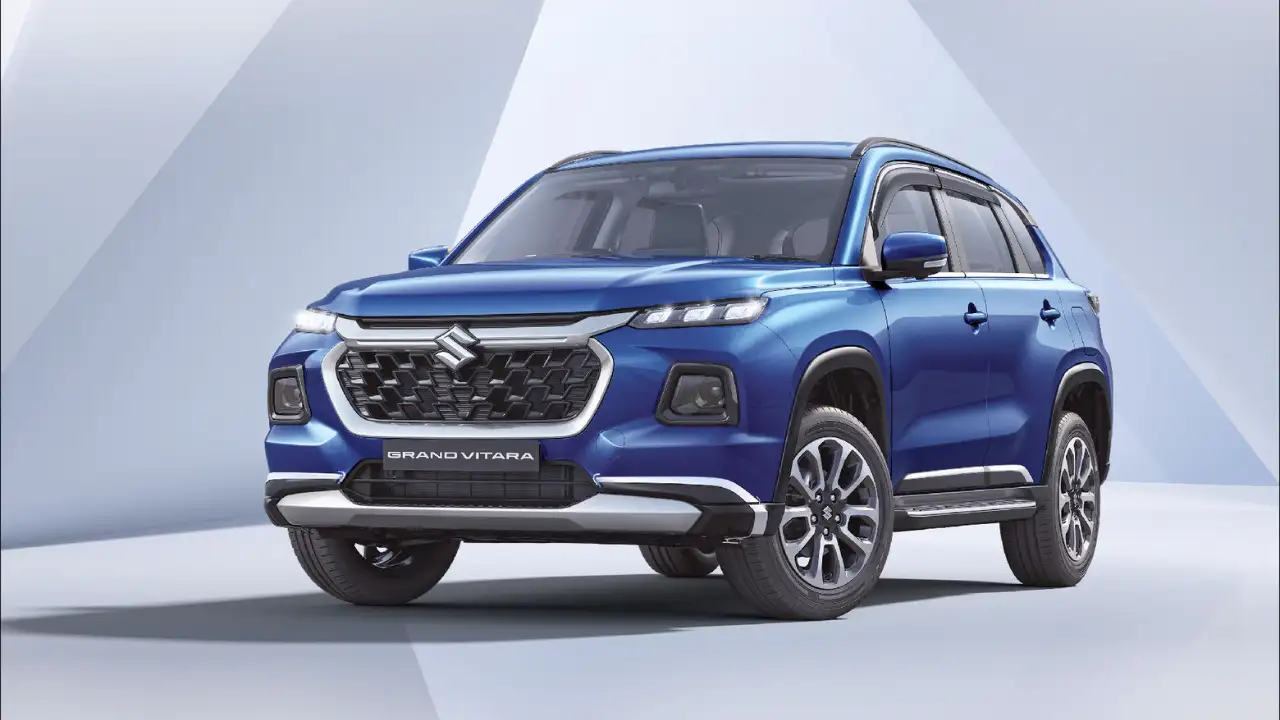
In response to increasing input costs and operational expenses, Maruti Suzuki India Limited has announced that it will raise prices across its vehicle lineup starting January 2025. The price hike, which could be as high as 4 percent, will vary by model, as stated in the company’s official announcement. This decision comes as part of Maruti Suzuki’s ongoing efforts to navigate the challenges posed by rising manufacturing costs while ensuring that customers continue to receive high-quality vehicles.

Despite the price increase, Maruti Suzuki emphasized that it remains committed to optimizing costs wherever possible in order to minimize the impact on consumers. However, the company acknowledged that it must pass on some of the rising costs to the market in order to maintain its operations and uphold the standards of quality that have become synonymous with the brand. The price hike reflects the broader pressures on the automotive industry due to inflationary factors and other economic challenges.

The announcement follows Maruti Suzuki’s positive sales performance in recent months. In November 2024, the company reported a total of 181,531 vehicle sales, with 144,238 units sold domestically. This marks a solid increase from 134,158 units sold in the same month the previous year. However, the company’s sales figures did show a month-on-month decline from October 2024, when it achieved 159,591 units. Despite this, Maruti Suzuki’s strong growth in passenger vehicle sales highlights the brand’s resilience in a competitive market.

Maruti Suzuki’s price increase comes in the wake of similar moves by other automotive giants in India. On December 5, 2024, Hyundai Motor India Limited (HMIL) announced a price hike of up to Rs. 25,000 for its Model Year 2025 vehicles, effective from January 1, 2025. HMIL attributed the hike to rising input, logistics, and transportation costs, further compounded by unfavorable exchange rates. Like Maruti Suzuki, Hyundai emphasized its efforts to absorb costs where possible but noted that the adjustment was necessary to mitigate the ongoing financial pressures facing the automotive industry.

Maruti Suzuki Partners with Qualcomm to Integrate Snapdragon Elite Chips in Future Vehicles

Maruti Suzuki Teams Up with Qualcomm to Integrate Snapdragon Elite Chips in Future Vehicles

Maruti Suzuki, the largest automotive manufacturer in India, has reportedly entered into a strategic partnership with Qualcomm to integrate the tech giant’s Snapdragon Elite automotive chips into its upcoming fleet of smart vehicles. While the precise details of the collaboration remain under wraps, industry experts speculate that these advanced Snapdragon chips will be key components in powering next-gen features for Maruti Suzuki cars, including enhanced safety systems, connected car technologies, and a host of other cutting-edge functionalities. The move signals Maruti Suzuki’s commitment to advancing the technological sophistication of its vehicles, aiming to meet the growing demand for smarter, safer, and more connected driving experiences.

The collaboration between Maruti Suzuki and Qualcomm follows a series of similar partnerships that Qualcomm has secured with other major Indian automakers, including Tata Motors and Mahindra & Mahindra. These partnerships are a part of Qualcomm’s broader strategy to tap into the rapidly evolving automotive sector, where the demand for sophisticated, connected vehicle solutions is on the rise. Qualcomm’s Snapdragon Elite chips are designed to offer high-performance processing power, providing the backbone for a range of smart features such as in-car infotainment, advanced driver-assistance systems (ADAS), and real-time vehicle connectivity.

At the Snapdragon Summit held in Hawaii last month, Qualcomm introduced two new automotive-specific chipsets: Snapdragon Cockpit Elite and Snapdragon Ride Elite. These chips are part of the Snapdragon Digital Chassis portfolio, designed to provide the processing power needed for next-generation vehicle systems. Qualcomm’s advanced chips are expected to play a crucial role in enabling futuristic features like immersive in-car experiences, autonomous driving technologies, and seamless integration with smartphones and cloud services. The new chips are expected to improve performance, reduce latency, and offer robust security features to ensure that connected cars remain safe and reliable.

This partnership between Maruti Suzuki and Qualcomm marks an important step toward the evolution of the Indian automotive market, where tech-driven innovations are becoming central to car manufacturing. As Maruti Suzuki begins incorporating Snapdragon chips into its vehicles, it is expected to offer Indian consumers a more connected and intelligent driving experience. With Qualcomm’s industry-leading technology and Maruti Suzuki’s mass-market reach, the collaboration could significantly shape the future of automotive technology in India and beyond