
Nissan tests Wayve-powered assisted driving system for Japan launch in 2027
Nissan Motor announced on Monday that it has begun testing a new driver-assistance system developed in partnership with UK startup Wayve, with a commercial launch in Japan planned for the 2027 financial year.
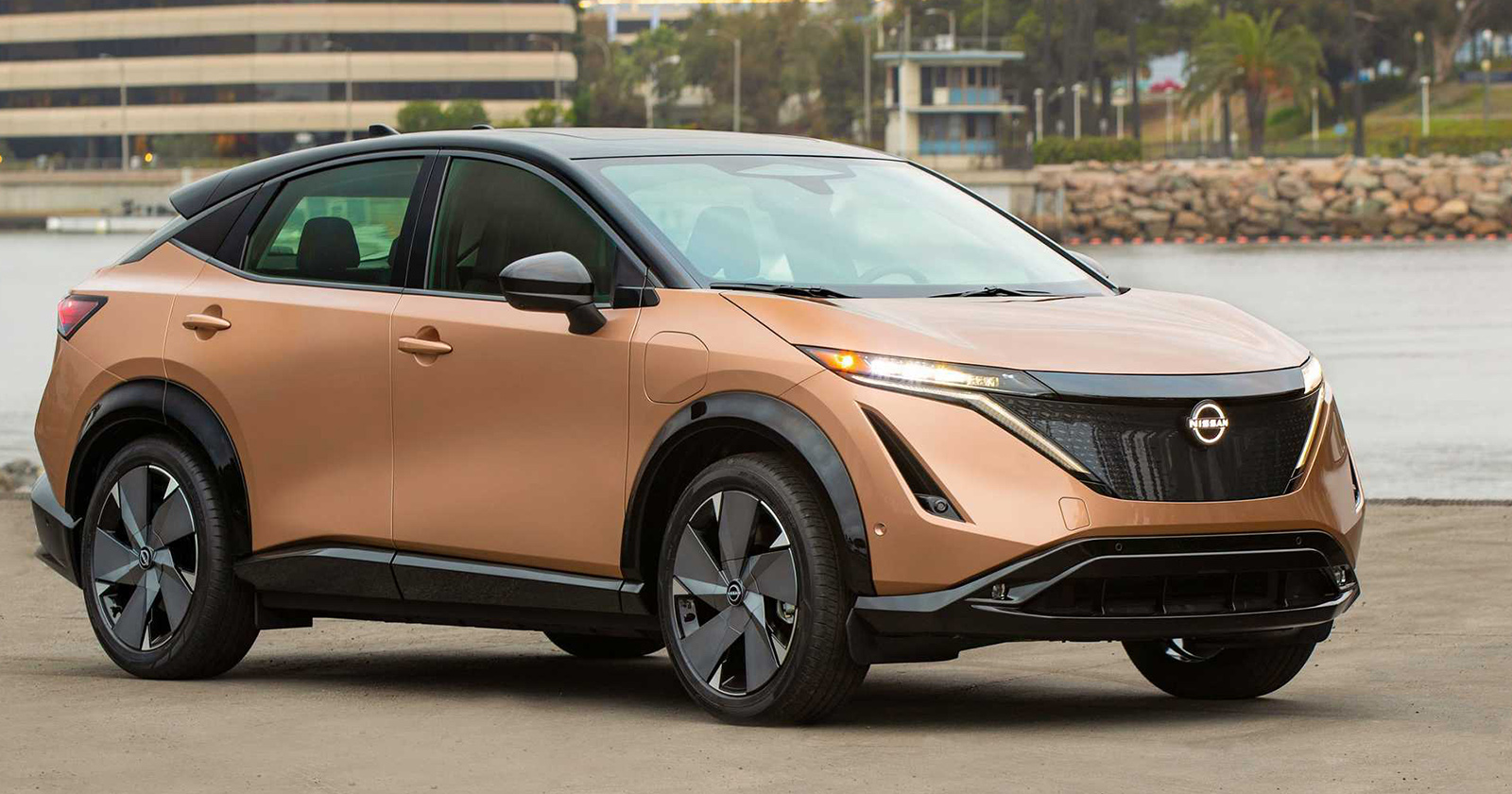
The system was recently demonstrated in Tokyo using Nissan Ariya electric vehicles, which showcased advanced collision avoidance features tailored for busy urban environments. Unlike highways, city driving poses unique challenges due to pedestrians, parked cars, and delivery traffic.
The prototype vehicles are equipped with a powerful sensor suite:
-
11 cameras
-
5 radars
-
1 lidar sensor
This setup enables Level 2 autonomous driving, meaning the system can handle steering, acceleration, and braking, but requires drivers to keep their hands on the wheel and be ready to intervene.
Wayve, backed by SoftBank and Nvidia, specializes in AI-driven self-learning systems for autonomous driving and recently opened a testing and development centre in Japan.
Nissan has been gradually advancing its driver-assist technology since launching ProPilot in 2016, followed by an upgraded version in 2019 that focused on highway driving. The new collaboration with Wayve represents Nissan’s push to bring advanced autonomy into complex urban environments.
