Yazılar

iPhone 17 Air’s Port-Free Design Scrapped by Apple, Claims Mark Gurman

Rumors surrounding the iPhone 17 series have been making waves across the tech world for quite some time. Expected to launch in the second quarter of the year, the lineup will reportedly include the iPhone 17, iPhone 17 Air (or iPhone 17 Slim), iPhone 17 Pro, and iPhone 17 Pro Max. Among these, the iPhone 17 Air is anticipated to be the slimmest iPhone to date, possibly replacing the Plus variant of previous models. However, new details shared by Bloomberg’s Mark Gurman reveal an interesting twist to the iPhone 17 Air’s design that didn’t make it to production.

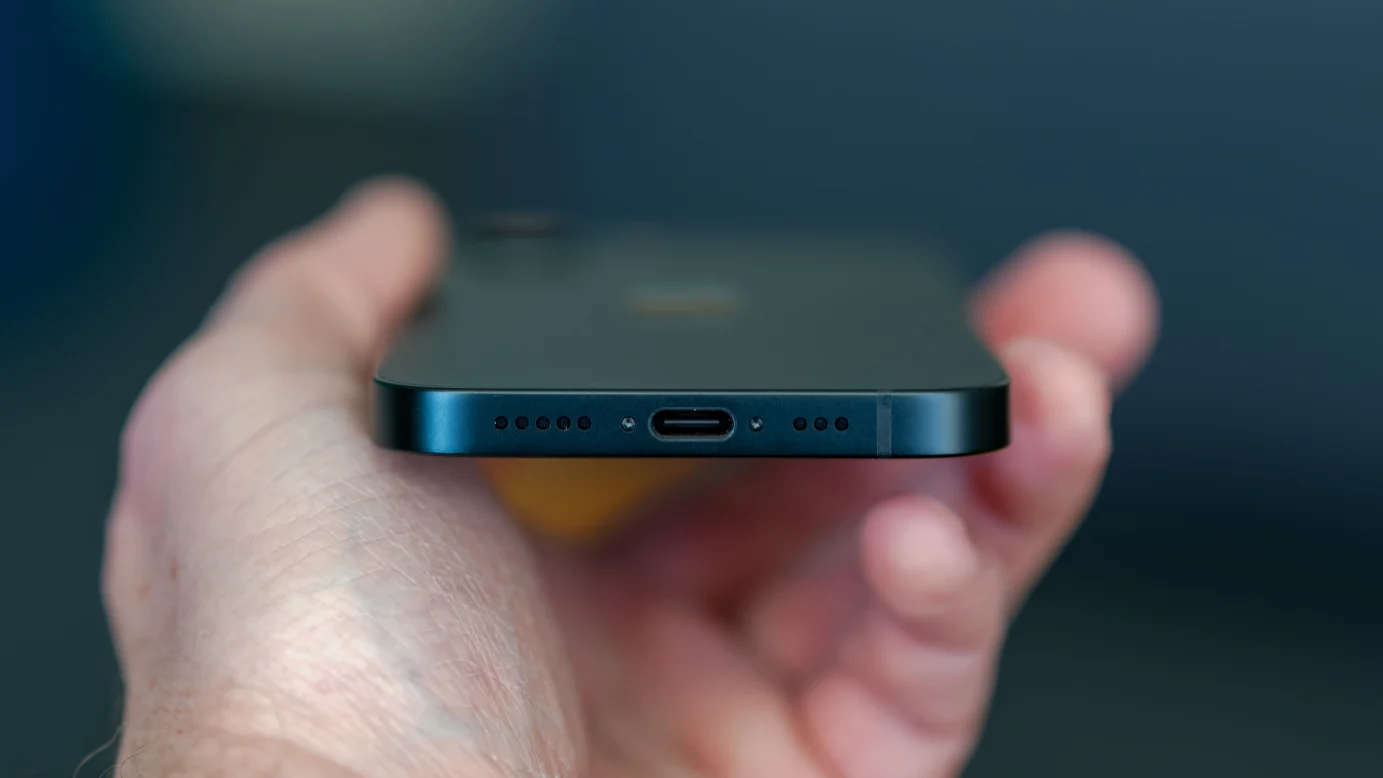
According to Gurman, Apple initially planned to make the iPhone 17 Air the first iPhone to launch with a completely port-free design. The device was expected to support wireless charging and data syncing through the cloud, marking a significant shift away from physical ports altogether. This move would have represented Apple’s ambition to push the boundaries of slim design, with no charging port in sight. However, the company reportedly abandoned the idea after considering the potential regulatory backlash from the European Union, which has been pushing for the standardization of USB Type-C ports in mobile devices, replacing the old Lightning charging port.

The decision to scrap the port-free iPhone 17 Air may also have been influenced by concerns about battery life. The ultra-thin build of the Air model would have required a thinner battery, which typically results in less battery capacity. Gurman notes that Apple didn’t want to compromise on performance, so the company reportedly asked its engineers to rethink the design of the display, silicon components, and software to optimize the device’s energy efficiency. This reworked approach was intended to balance slimness with battery longevity, a crucial aspect for users who rely on their iPhones throughout the day.

While the iPhone 17 Air might not be the port-free device Apple originally envisioned, it’s clear that the company is still pushing to innovate with its design philosophy. The move to a slimmer profile without sacrificing essential features like battery life shows Apple’s commitment to finding new ways to improve the user experience while staying compliant with global standards. As the iPhone 17 series draws closer to its release, fans and analysts alike are eager to see which aspects of these ambitious plans will make it into the final product.

iPhone 17 Series Expected to Feature Rear Camera Design Inspired by Pixel Phones

The iPhone 17 series may still be months away from its official launch, but leaks and rumors are already generating excitement around Apple’s next-generation smartphones. Recent reports from Chinese tipsters have suggested some significant design changes, particularly for the iPhone 17 Pro variant. One of the most notable alterations could be a new rear camera design, inspired by the Pixel series. Leaked images of a metal frame allegedly belonging to the iPhone 17 Pro reveal a camera island that resembles the design found on Google Pixel phones, hinting at a major shift in Apple’s aesthetic choices for its flagship model.

According to a tipster on Weibo, an image of a phone frame surfaced, purportedly from the iPhone 17’s supply chain. This frame features a pill-shaped cutout in the center, which is believed to be specifically designed to house the camera module. The positioning of the camera bump, located in the middle of the frame, is reportedly intended to create enough space for the “front structure light.” This could be an indication that Apple plans to integrate its Face ID components into this new design, further refining the facial recognition technology on the iPhone.

The tipster also mentioned that this new camera arrangement would make way for “space video,” a term that could point to new video recording features in the iPhone 17 series. This might refer to potential advancements in spatial video capabilities, enabling users to capture and experience video in a more immersive or three-dimensional way. If accurate, this could represent a significant leap in video technology for Apple’s smartphones, allowing users to record content with more depth and a sense of space.

As the iPhone 17 series edges closer to its release, the excitement surrounding its potential features continues to grow. With rumors of a Pixel-style rear camera design, enhanced Face ID integration, and new video recording capabilities, it seems that Apple is preparing to bring fresh innovations to its flagship device. While much of the details remain speculative, these leaks have certainly raised expectations for what’s to come in the next iPhone generation.

iPhone 17 Air Expected to Be Apple’s Slimmest Model Yet, Powered by A19 Chips Built with TSMC’s Latest Technology

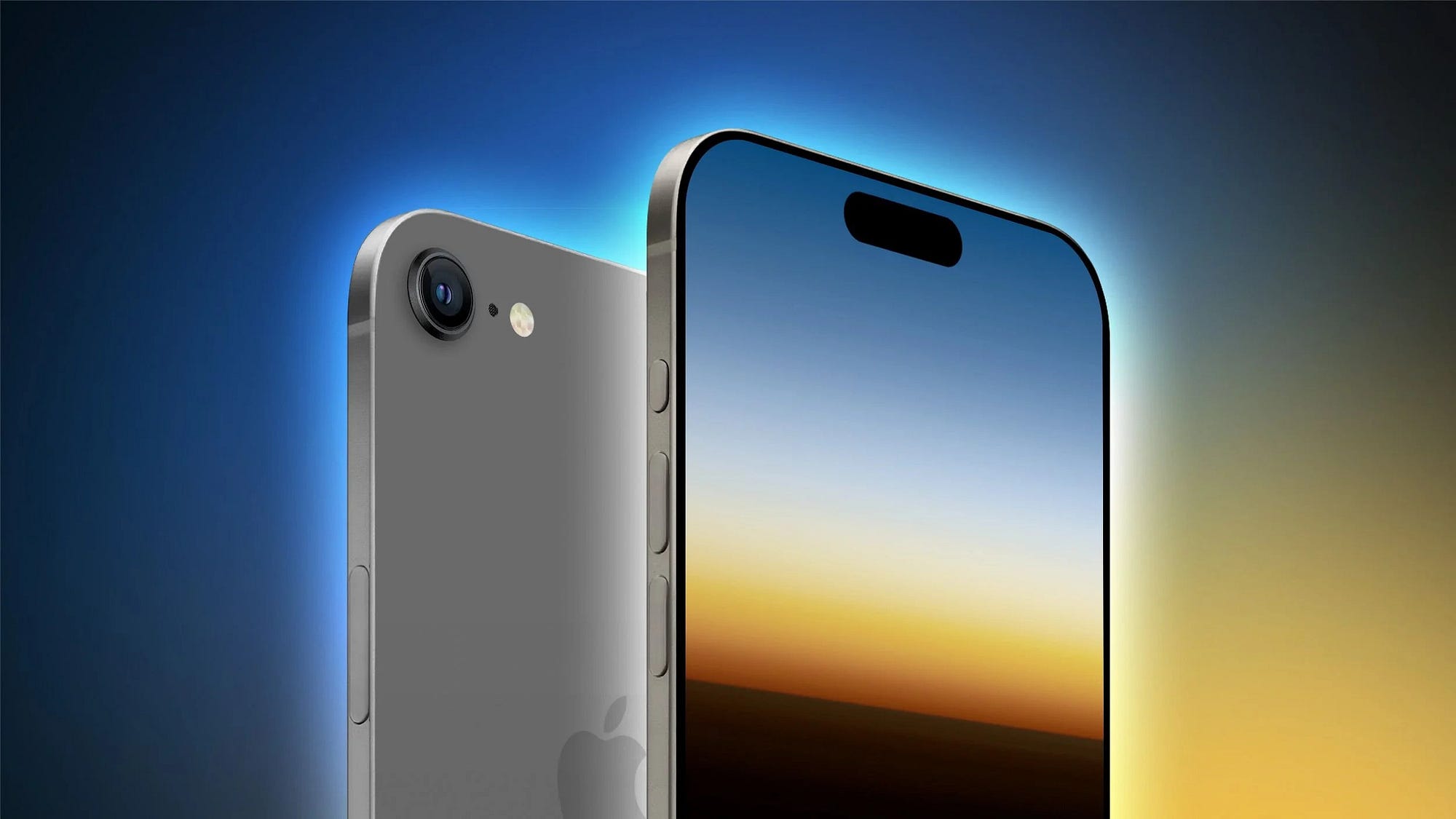
While the iPhone 16 series was only recently unveiled in September, reports about Apple’s next-generation smartphones, the iPhone 17, are already making waves. According to recent leaks, Apple may be discontinuing the iPhone Plus model in favor of a new “Slim” version, which could feature a significantly thinner design. Analysts suggest that the iPhone 17 Slim, or “Air” model, could be thinner than Apple’s iconic iPhone 6, potentially making it the slimmest iPhone the company has ever released.

According to Jeff Pu of Haitong International Tech Research, the iPhone 17 Air could be as thin as 6mm, a substantial reduction compared to Apple’s previous designs. Pu’s research note, shared via MacRumors, affirms the speculation that this ultra-slim model will measure in at just 6mm, a major leap forward from the thickness of the iPhone 6, which previously held the record at 6.9mm. This would make the iPhone 17 Air a highly anticipated device, especially for users seeking a sleek, lightweight design without compromising performance.

If true, the iPhone 17 Air would surpass the current iPhone 16 lineup in terms of slimness, with the iPhone 16 Pro and iPhone 16 Pro Max measuring 8.25mm thick, and the iPhone 16 and 16 Plus models at 7.8mm. Apple’s push towards thinner devices could signal a new trend in the smartphone industry, where design and portability become as important as performance and features.

Additionally, the iPhone 17 series will be powered by Apple’s next-generation A19 chips, which are expected to be manufactured using cutting-edge technology from TSMC. This new manufacturing process promises improved performance, efficiency, and power management, further elevating the iPhone 17’s status as a top-tier smartphone. With thinner designs and more powerful internals, the iPhone 17 series is shaping up to be one of Apple’s most innovative releases yet.