
Close Menu
  • Home
  • Technology
  • Devices
  • Business
  • Science
  • Gadgets
  • Startups
Ayaksız
  • Home
  • Technology

    Lucid and Bolt Plan 25,000 Robotaxis for Europe

    Eylül 18, 2026

    AMD Gives PC Builders More Choice With New Ryzen 5 Desktop Chips

    Eylül 11, 2026

    Apple Expands Device Protection With a $49.99 Family Plan

    Eylül 11, 2026

    Snapdragon 8 Elite Extreme Gen 6 Reportedly Beats MediaTek’s Next Flagship Chipset

    Eylül 11, 2026

    Pinterest CFO Julia Donnelly to Step Down in October

    Ağustos 30, 2026
  • Devices

    Projector Setup: Separate Placement, Lens Shift, Zoom, and Keystone

    Kasım 18, 2026

    Router Mode or Access Point Mode? Give Each Network Device a Clear Job

    Kasım 18, 2026

    Scanner Feeder or Glass? Choose According to the Original

    Kasım 13, 2026

    Borderless Printing: Why the Edges of Your Photo Can Disappear

    Kasım 12, 2026

    Camera AE Lock: Recompose a Scene Without Letting Exposure Drift

    Kasım 11, 2026
  • Business

    Google Pixel 11 Pro Leaked Renders Indicate It Might Sport Thinner Bezels Than the Pixel 10 Pro

    Mart 30, 2026

    Motorola Edge 70 Debuts With Snapdragon 7 Gen 4, Ultra-Slim 5.99mm Body

    Kasım 5, 2025

    Samsung Galaxy S26 Series Could See Price Increase Amid Rising Component Costs: Report

    Kasım 4, 2025

    Amazon’s AWS Partners with NBA to Power New AI Basketball Platform

    Ekim 4, 2025

    Billionaire-Backed Bitcoin Firm OranjeBTC to List on Brazil’s B3 Exchange

    Ekim 4, 2025
  • Science

    Double Rainbows: Why the Outer Arc Reverses Its Colors

    Kasım 18, 2026

    Why Ice Floats—and Why Water Behaves Differently Near Freezing

    Kasım 13, 2026

    Air Pressure and Altitude: Why Two Weather Readings May Not Be Comparable

    Kasım 12, 2026

    A Light-Year Measures Distance: Understanding the Scale Behind Space Headlines

    Kasım 11, 2026

    Why the Sky Is Blue—and Why the Same Atmosphere Produces Red Sunsets

    Kasım 10, 2026
  • Gadgets

    Tripod Center Columns: Extra Height Comes with a Stability Tradeoff

    Kasım 18, 2026

    E Ink Ghosting: Match the Refresh Mode to the Task

    Kasım 13, 2026

    Camera Lens Hoods: Choose the Right Shape and Check the Whole Frame

    Kasım 12, 2026

    Pop Filters and Windscreens: Match Microphone Protection to the Noise

    Kasım 12, 2026

    USB Hub Power: Check Where Your Connected Devices Get Their Energy

    Kasım 11, 2026
  • Startups

    Cache-Control for Startups: No-Cache and No-Store Solve Different Problems

    Kasım 18, 2026

    Dead-Letter Queues: Investigate Before Replaying Failed Messages

    Kasım 13, 2026

    Database Connection Pools: Budget Across Every Application Replica

    Kasım 13, 2026

    Startup Staging Sites: Separate Search Visibility from Access Control

    Kasım 12, 2026

    API Idempotency Keys: Keep a Retry Connected to the Original Operation

    Kasım 11, 2026
Ayaksız
Anasayfa » Blog » Chang’e 5 Probe Discovers Evidence of Moon’s Volcanic Activity Happening Sooner Than Expected
Science

Chang’e 5 Probe Discovers Evidence of Moon’s Volcanic Activity Happening Sooner Than Expected

By ayaksızEylül 27, 2024Yorum yapılmamış3 Mins Read
Facebook Twitter Pinterest LinkedIn Tumblr Email
Share
Facebook Twitter LinkedIn Pinterest Email

Chang’e 5 Discovers Volcanic Glass Beads on the Moon, Questioning Long-Held Beliefs About Ancient Volcanic Activity

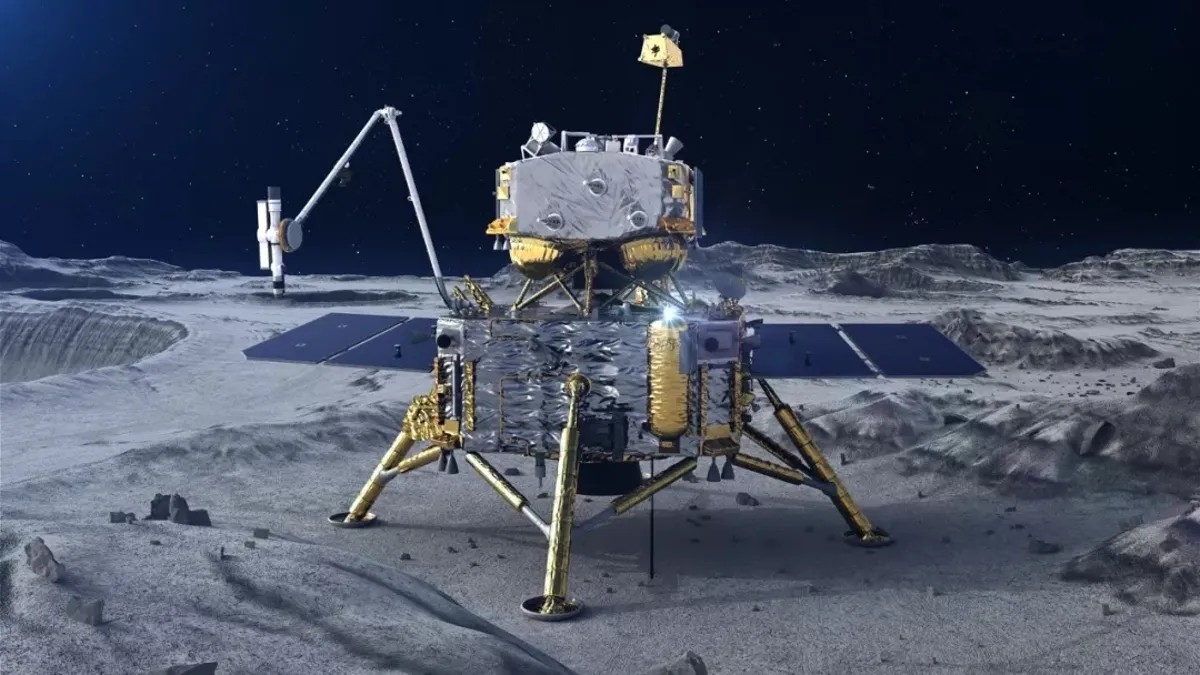
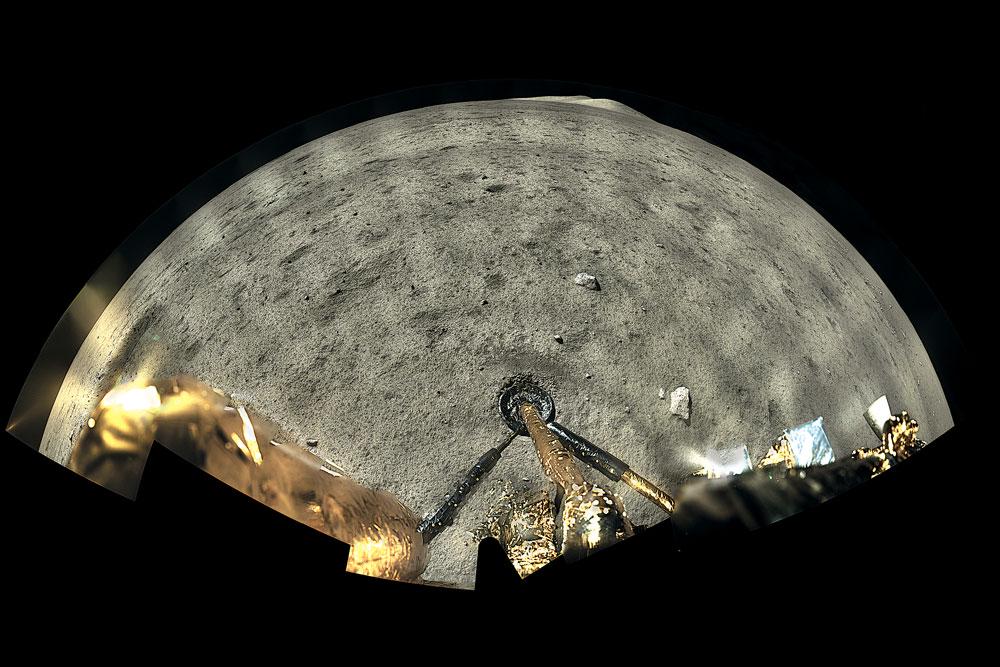
China’s Chang’e 5 mission has significantly advanced our understanding of the Moon’s volcanic history, revealing that volcanic activity may have occurred much later than scientists had previously believed. Samples of lunar soil, which were brought back to Earth in 2020, contain tiny glass beads that formed during volcanic eruptions approximately 120 million years ago. This groundbreaking discovery challenges the long-standing notion that volcanic activity on the Moon ceased around 3 to 3.8 billion years ago, opening new avenues for research into the Moon’s geological evolution.

The evidence supporting this new timeline comes from the analysis of glass beads found in the lunar soil collected near Mons Rümker in Oceanus Procellarum. A study led by researchers Bi-Wen Wang and Qian Zhang from the Chinese Academy of Sciences identified these beads as products of volcanic eruptions that occurred roughly 123 million years ago, with an error margin of about 15 million years. Despite their diminutive size, these beads provide tangible evidence that lunar volcanism persisted much later than previously assumed, suggesting that the Moon’s geological activity is more dynamic than once thought.

Moreover, the findings from Chang’e 5 bolster previous observations made by NASA’s Lunar Reconnaissance Orbiter (LRO), which, in 2014, captured images of irregular mare patches (IMPs) on the Moon’s surface. These small volcanic mounds appear to be less than 100 million years old, reinforcing the idea that volcanic activity might still be occurring on the Moon. This alignment between the Chang’e 5 results and LRO observations adds weight to the argument that the Moon has a more complex and active volcanic history than has been documented.


The implications of these discoveries extend beyond the Moon itself. Understanding the timeline of volcanic activity on the Moon can provide critical insights into the evolution of terrestrial planets, including Earth. By examining how volcanic processes have shaped the Moon’s surface over such an extended period, scientists can draw parallels to similar processes on Earth and other celestial bodies. This can enhance our knowledge of planetary geology and the conditions that might support or inhibit volcanic activity.

Additionally, these revelations could spark renewed interest in future lunar exploration missions. With the possibility of finding more evidence of recent geological activity, space agencies may be more inclined to revisit the Moon for further study. This could include detailed analysis of the Moon’s surface and potential resources that could be harnessed for long-term human exploration and habitation.

As the scientific community processes these findings, it is clear that the Chang’e 5 mission has made a lasting impact on lunar science. By reshaping our understanding of the Moon’s volcanic history, this mission not only highlights the importance of continued exploration but also underscores the dynamic nature of celestial bodies in our solar system. The journey to unravel the Moon’s mysteries is far from over, and with each new discovery, we move closer to a comprehensive understanding of our nearest neighbor.

Moon NASA Science Space Volcanic activity
Share. Facebook Twitter Pinterest LinkedIn Tumblr Email
ayaksız
  • Website

Related Posts

Double Rainbows: Why the Outer Arc Reverses Its Colors

Kasım 18, 2026

Why Ice Floats—and Why Water Behaves Differently Near Freezing

Kasım 13, 2026

Air Pressure and Altitude: Why Two Weather Readings May Not Be Comparable

Kasım 12, 2026
Add A Comment

Comments are closed.

Recent Posts
  • Projector Setup: Separate Placement, Lens Shift, Zoom, and Keystone
  • Cache-Control for Startups: No-Cache and No-Store Solve Different Problems
  • Tripod Center Columns: Extra Height Comes with a Stability Tradeoff
  • Double Rainbows: Why the Outer Arc Reverses Its Colors
  • Router Mode or Access Point Mode? Give Each Network Device a Clear Job
Tags
AI AI Chips AI Infrastructure Amazon Android Apple Artificial Intelligence Bitcoin ChatGPT China Cryptocurrency Cybersecurity data centers DeepSeek Donald Trump Electric Vehicles Elon Musk Ether Generative AI Google Huawei India Investment Iphone Meta Microsoft NASA National Security Nvidia OnePlus OpenAI Oppo Realme Samsung semiconductor industry Social media Sony SpaceX Technology Tesla Tether TikTok Vivo WhatsApp Xiaomi
Ayaksız
Instagram
© 2026 Ayaksız.

Type above and press Enter to search. Press Esc to cancel.