
Close Menu
  • Home
  • Technology
  • Devices
  • Business
  • Science
  • Gadgets
  • Startups
Ayaksız
  • Home
  • Technology

    Lucid and Bolt Plan 25,000 Robotaxis for Europe

    Eylül 18, 2026

    AMD Gives PC Builders More Choice With New Ryzen 5 Desktop Chips

    Eylül 11, 2026

    Apple Expands Device Protection With a $49.99 Family Plan

    Eylül 11, 2026

    Snapdragon 8 Elite Extreme Gen 6 Reportedly Beats MediaTek’s Next Flagship Chipset

    Eylül 11, 2026

    Pinterest CFO Julia Donnelly to Step Down in October

    Ağustos 30, 2026
  • Devices

    Projector Setup: Separate Placement, Lens Shift, Zoom, and Keystone

    Kasım 18, 2026

    Router Mode or Access Point Mode? Give Each Network Device a Clear Job

    Kasım 18, 2026

    Scanner Feeder or Glass? Choose According to the Original

    Kasım 13, 2026

    Borderless Printing: Why the Edges of Your Photo Can Disappear

    Kasım 12, 2026

    Camera AE Lock: Recompose a Scene Without Letting Exposure Drift

    Kasım 11, 2026
  • Business

    Google Pixel 11 Pro Leaked Renders Indicate It Might Sport Thinner Bezels Than the Pixel 10 Pro

    Mart 30, 2026

    Motorola Edge 70 Debuts With Snapdragon 7 Gen 4, Ultra-Slim 5.99mm Body

    Kasım 5, 2025

    Samsung Galaxy S26 Series Could See Price Increase Amid Rising Component Costs: Report

    Kasım 4, 2025

    Amazon’s AWS Partners with NBA to Power New AI Basketball Platform

    Ekim 4, 2025

    Billionaire-Backed Bitcoin Firm OranjeBTC to List on Brazil’s B3 Exchange

    Ekim 4, 2025
  • Science

    Double Rainbows: Why the Outer Arc Reverses Its Colors

    Kasım 18, 2026

    Why Ice Floats—and Why Water Behaves Differently Near Freezing

    Kasım 13, 2026

    Air Pressure and Altitude: Why Two Weather Readings May Not Be Comparable

    Kasım 12, 2026

    A Light-Year Measures Distance: Understanding the Scale Behind Space Headlines

    Kasım 11, 2026

    Why the Sky Is Blue—and Why the Same Atmosphere Produces Red Sunsets

    Kasım 10, 2026
  • Gadgets

    Tripod Center Columns: Extra Height Comes with a Stability Tradeoff

    Kasım 18, 2026

    E Ink Ghosting: Match the Refresh Mode to the Task

    Kasım 13, 2026

    Camera Lens Hoods: Choose the Right Shape and Check the Whole Frame

    Kasım 12, 2026

    Pop Filters and Windscreens: Match Microphone Protection to the Noise

    Kasım 12, 2026

    USB Hub Power: Check Where Your Connected Devices Get Their Energy

    Kasım 11, 2026
  • Startups

    Cache-Control for Startups: No-Cache and No-Store Solve Different Problems

    Kasım 18, 2026

    Dead-Letter Queues: Investigate Before Replaying Failed Messages

    Kasım 13, 2026

    Database Connection Pools: Budget Across Every Application Replica

    Kasım 13, 2026

    Startup Staging Sites: Separate Search Visibility from Access Control

    Kasım 12, 2026

    API Idempotency Keys: Keep a Retry Connected to the Original Operation

    Kasım 11, 2026
Ayaksız
Anasayfa » Blog » NASA Unveils Stunning Images of the Red Spider Nebula, Highlighting Vibrant Colors and Impressive Shockwaves
Science

NASA Unveils Stunning Images of the Red Spider Nebula, Highlighting Vibrant Colors and Impressive Shockwaves

By ayaksızEkim 1, 2024Yorum yapılmamış3 Mins Read
Facebook Twitter Pinterest LinkedIn Tumblr Email
Screenshot
Share
Facebook Twitter LinkedIn Pinterest Email

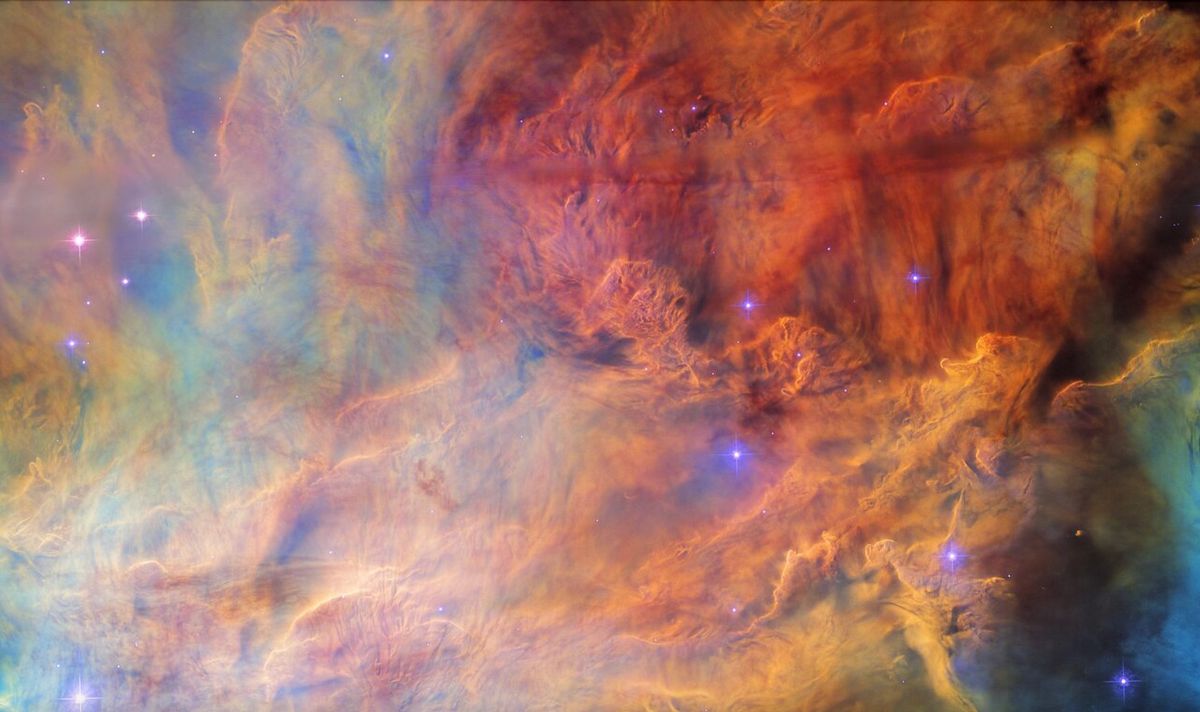
NASA’s breathtaking images of the Red Spider Nebula showcase vibrant hues and intricate spider-like structures that captivate the imagination.

NASA has once again captivated the internet by releasing stunning photos of the Red Spider Nebula, a remarkable celestial object located 3,000 light-years away in the constellation of Sagittarius. The fiery red nebula has captured the imagination of space enthusiasts and social media users alike with its vivid colors and distinctive spider-like shape.

A Closer Look at the Red Spider Nebula

This extraordinary nebula is home to one of the hottest stars in the universe. The intense heat generated by this central star causes the surrounding gas to form gigantic shockwaves, stretching up to 62 billion miles (100 billion kilometers) in height. These arcs of gas give the nebula its unique spider-leg appearance, while the bright pink core resembles the hourglass figure of a black widow spider. Set against a backdrop of twinkling stars, the nebula presents a magnificent and eerie visual spectacle.

Unique Features of the Nebula

NASA’s description of the Red Spider Nebula highlights its intriguing characteristics, with the orange waves of hot gas adding to its dramatic presentation. The gas, heated by the central star, radiates across space, creating patterns that are both striking and ethereal. The contrast of bright colors against the dark void of space gives viewers a glimpse into the complex dynamics of stellar evolution and gas interactions.

The Science Behind the Shockwaves

The shockwaves generated by the intense heat of the star play a crucial role in shaping the nebula. As the stellar winds collide with the surrounding gas, they create turbulence and complex structures that define the nebula’s appearance. These shockwaves not only contribute to the nebula’s visual appeal but also serve as a reminder of the energetic processes at work in the universe.

The Nebula’s Role in Stellar Formation

The Red Spider Nebula is not just a beautiful sight; it is also a key player in the ongoing processes of stellar formation and evolution. The heated gas and dust within the nebula can eventually lead to the birth of new stars. By studying the interactions within this nebula, scientists gain valuable insights into the lifecycle of stars and the conditions necessary for their formation.

A Window to the Universe

NASA’s latest images of the Red Spider Nebula serve as a reminder of the beauty and complexity of our universe. As we gaze upon these stunning visuals, we are invited to ponder the mysteries of space and the incredible phenomena that occur beyond our home planet. The Red Spider Nebula stands as a testament to the wonders of cosmic exploration, inspiring future generations of astronomers and enthusiasts alike.

Engaging the Public

The release of these captivating images has sparked conversations on social media, with many users sharing their awe and admiration for the nebula’s beauty. NASA’s ability to engage the public through stunning imagery not only fosters interest in space exploration but also encourages further scientific inquiry into the cosmos. With each new discovery, we continue to expand our understanding of the universe and our place within it.

astronomy NASA Red Spider Nebula Sagittarius Space Photos Space Science
Share. Facebook Twitter Pinterest LinkedIn Tumblr Email
ayaksız
  • Website

Related Posts

Double Rainbows: Why the Outer Arc Reverses Its Colors

Kasım 18, 2026

Why Ice Floats—and Why Water Behaves Differently Near Freezing

Kasım 13, 2026

Air Pressure and Altitude: Why Two Weather Readings May Not Be Comparable

Kasım 12, 2026
Add A Comment

Comments are closed.

Recent Posts
  • Projector Setup: Separate Placement, Lens Shift, Zoom, and Keystone
  • Cache-Control for Startups: No-Cache and No-Store Solve Different Problems
  • Tripod Center Columns: Extra Height Comes with a Stability Tradeoff
  • Double Rainbows: Why the Outer Arc Reverses Its Colors
  • Router Mode or Access Point Mode? Give Each Network Device a Clear Job
Tags
AI AI Chips AI Infrastructure Amazon Android Apple Artificial Intelligence Bitcoin ChatGPT China Cryptocurrency Cybersecurity data centers DeepSeek Donald Trump Electric Vehicles Elon Musk Ether Generative AI Google Huawei India Investment Iphone Meta Microsoft NASA National Security Nvidia OnePlus OpenAI Oppo Realme Samsung semiconductor industry Social media Sony SpaceX Technology Tesla Tether TikTok Vivo WhatsApp Xiaomi
Ayaksız
Instagram
© 2026 Ayaksız.

Type above and press Enter to search. Press Esc to cancel.