
Close Menu
  • Home
  • Technology
  • Devices
  • Business
  • Science
  • Gadgets
  • Startups
Ayaksız
  • Home
  • Technology

    Lucid and Bolt Plan 25,000 Robotaxis for Europe

    Eylül 18, 2026

    AMD Gives PC Builders More Choice With New Ryzen 5 Desktop Chips

    Eylül 11, 2026

    Apple Expands Device Protection With a $49.99 Family Plan

    Eylül 11, 2026

    Snapdragon 8 Elite Extreme Gen 6 Reportedly Beats MediaTek’s Next Flagship Chipset

    Eylül 11, 2026

    Pinterest CFO Julia Donnelly to Step Down in October

    Ağustos 30, 2026
  • Devices

    Guest Wi-Fi: A Different Network Name Does Not Explain Its Access Rules

    Kasım 3, 2026

    Camera White Balance in Mixed Light: Fix the Lighting Before Chasing a Number

    Kasım 2, 2026

    Inkjet Print Problems: When to Check Nozzles and When to Check Alignment

    Kasım 2, 2026

    Camera Focus Peaking: Use the Highlight as a Clue, Then Inspect the Detail

    Ekim 31, 2026

    Searchable Scans: Check the Recognized Text as Carefully as the Image

    Ekim 30, 2026
  • Business

    Google Pixel 11 Pro Leaked Renders Indicate It Might Sport Thinner Bezels Than the Pixel 10 Pro

    Mart 30, 2026

    Motorola Edge 70 Debuts With Snapdragon 7 Gen 4, Ultra-Slim 5.99mm Body

    Kasım 5, 2025

    Samsung Galaxy S26 Series Could See Price Increase Amid Rising Component Costs: Report

    Kasım 4, 2025

    Amazon’s AWS Partners with NBA to Power New AI Basketball Platform

    Ekim 4, 2025

    Billionaire-Backed Bitcoin Firm OranjeBTC to List on Brazil’s B3 Exchange

    Ekim 4, 2025
  • Science

    Weather and Climate: Read the Time Scale Before Interpreting the Claim

    Kasım 3, 2026

    Meteoroid, Meteor, or Meteorite? Follow the Object Through Its Journey

    Kasım 3, 2026

    Why Earth Has Seasons: Follow the Tilt, Sunlight, and Length of the Day

    Kasım 2, 2026

    Relative Humidity Can Fall Even When the Air Has Not Lost Moisture

    Ekim 31, 2026

    Tides and Currents Describe Different Kinds of Ocean Change

    Ekim 30, 2026
  • Gadgets

    Audio Interface Direct Monitoring: Fix a Doubled Voice by Checking the Signal Path

    Kasım 3, 2026

    HDMI ARC, eARC, and CEC: Three Labels That Solve Different Problems

    Kasım 2, 2026

    ND Filters and Polarizers: Choose the Optical Effect Before the Accessory

    Ekim 31, 2026

    Mouse DPI and Polling Rate Change Different Parts of the Experience

    Ekim 30, 2026

    AirTag Location Updates: Read the Timestamp Before Following the Map

    Ekim 28, 2026
  • Startups

    Startup Health Checks: Decide Whether a Failure Should Stop Traffic or Restart the App

    Kasım 3, 2026

    Startup API Imports: A Successful First Page Is Not a Complete Dataset

    Kasım 2, 2026

    Architecture Decision Records: Help a Startup Remember Why It Chose a Design

    Ekim 31, 2026

    Startup Incident Updates: Give Customers Useful Information Before You Have Every Answer

    Ekim 31, 2026

    Startup Repository Access: Give Each Contributor a Defined Role

    Ekim 30, 2026
Ayaksız
Anasayfa » Blog » Chinese Astronauts Achieve Breakthrough in Space by Producing Oxygen and Rocket Fuel via Artificial Photosynthesis
Science

Chinese Astronauts Achieve Breakthrough in Space by Producing Oxygen and Rocket Fuel via Artificial Photosynthesis

By ayaksızŞubat 13, 2025Yorum yapılmamış2 Mins Read
Facebook Twitter Pinterest LinkedIn Tumblr Email
Share
Facebook Twitter LinkedIn Pinterest Email

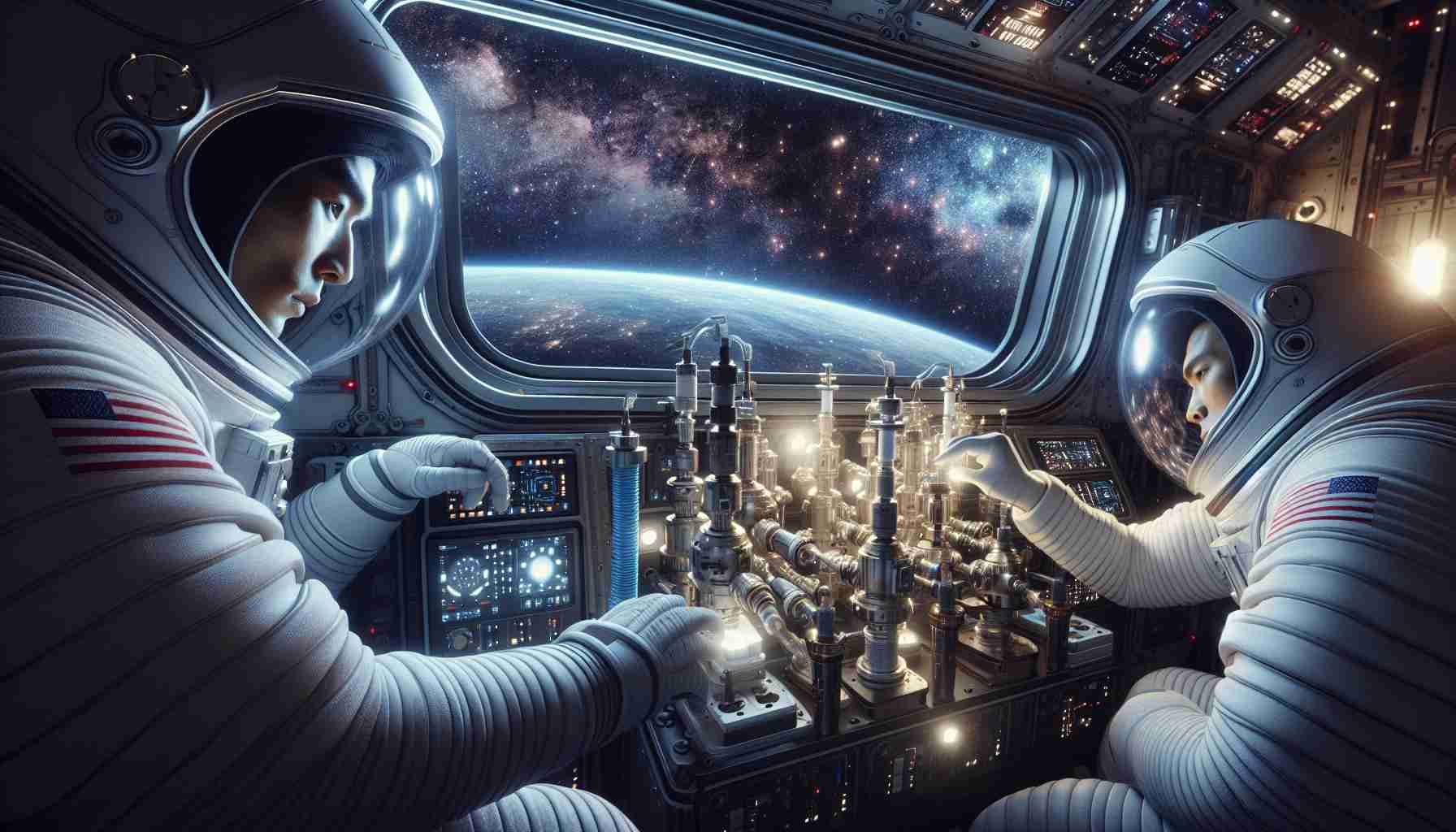
Chinese astronauts aboard the Tiangong space station have made a significant advancement by successfully producing oxygen and rocket fuel using artificial photosynthesis. This achievement marks a pivotal moment in space exploration, as it offers a potential solution for sustainable resource generation during long-term missions. By utilizing water and carbon dioxide, the astronauts were able to simulate the natural photosynthesis process, producing not only breathable oxygen but also hydrocarbon fuel components. This breakthrough could be particularly beneficial for China’s ambitious plans to establish a lunar base, as it would reduce reliance on Earth-based supplies, enabling astronauts to generate essential resources directly on the Moon.

The experiment, carried out by the Shenzhou-19 crew, employed a system that mimics the photosynthesis process found in plants, with the aid of a semiconductor catalyst. The compact apparatus, designed like a drawer, facilitated the conversion of carbon dioxide and water into oxygen and fuel. This artificial photosynthesis method is a step forward in creating self-sustaining habitats for space travelers, where resources like oxygen and fuel can be generated locally, thus reducing the challenges and costs associated with transporting them from Earth.

One of the most notable aspects of this experiment is its energy efficiency. The artificial photosynthesis system requires significantly less energy compared to the electrolysis method currently used on the International Space Station (ISS) to generate oxygen. Electrolysis, while effective, can consume up to a third of the ISS’s power supply, a considerable amount for long-term space missions. The new method developed by the Chinese astronauts offers a more energy-efficient alternative, potentially making future space explorations more sustainable and cost-effective.

Looking ahead, the implications of this technology could extend beyond the Tiangong space station. Researchers believe that by adjusting the catalyst used in the reaction, this artificial photosynthesis system could be fine-tuned to produce different types of fuel, such as methane or formic acid. These fuels could play a vital role in supporting missions to the Moon, Mars, and beyond, contributing to the development of space stations, lunar bases, and interplanetary travel, all while minimizing the need for supply shipments from Earth.

Artificial Photosynthesis China Space Program Lunar Base NASA Oxygen Production Rocket Fuel Space Exploration Space Innovation sustainability Tiangong
Share. Facebook Twitter Pinterest LinkedIn Tumblr Email
ayaksız
  • Website

Related Posts

Weather and Climate: Read the Time Scale Before Interpreting the Claim

Kasım 3, 2026

Meteoroid, Meteor, or Meteorite? Follow the Object Through Its Journey

Kasım 3, 2026

Why Earth Has Seasons: Follow the Tilt, Sunlight, and Length of the Day

Kasım 2, 2026
Add A Comment

Comments are closed.

Recent Posts
  • Weather and Climate: Read the Time Scale Before Interpreting the Claim
  • Startup Health Checks: Decide Whether a Failure Should Stop Traffic or Restart the App
  • Audio Interface Direct Monitoring: Fix a Doubled Voice by Checking the Signal Path
  • Meteoroid, Meteor, or Meteorite? Follow the Object Through Its Journey
  • Guest Wi-Fi: A Different Network Name Does Not Explain Its Access Rules
Tags
AI AI Chips AI Infrastructure Amazon Android Apple Artificial Intelligence Bitcoin ChatGPT China Cryptocurrency Cybersecurity data centers DeepSeek Donald Trump Electric Vehicles Elon Musk Ether Generative AI Google Huawei India Investment Iphone Meta Microsoft NASA National Security Nvidia OnePlus OpenAI Oppo Realme Samsung semiconductor industry Social media Sony SpaceX Technology Tesla Tether TikTok Vivo WhatsApp Xiaomi
Ayaksız
Instagram
© 2026 Ayaksız.

Type above and press Enter to search. Press Esc to cancel.