Intel joins Musk’s Terafab AI chip project
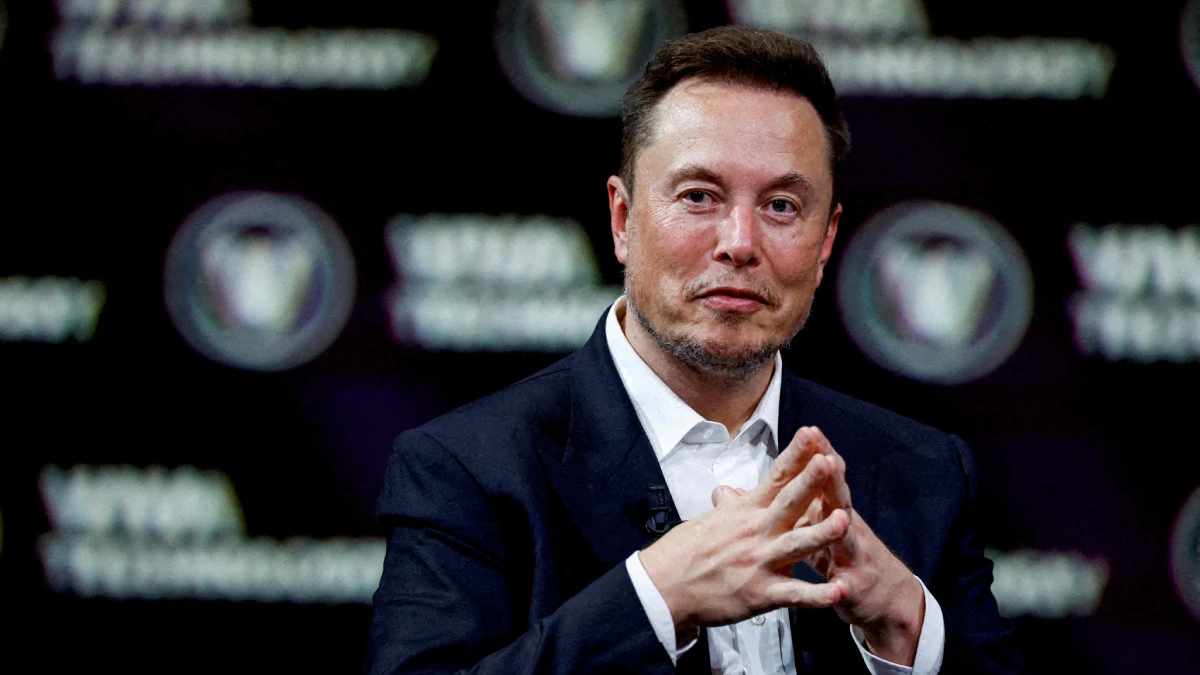
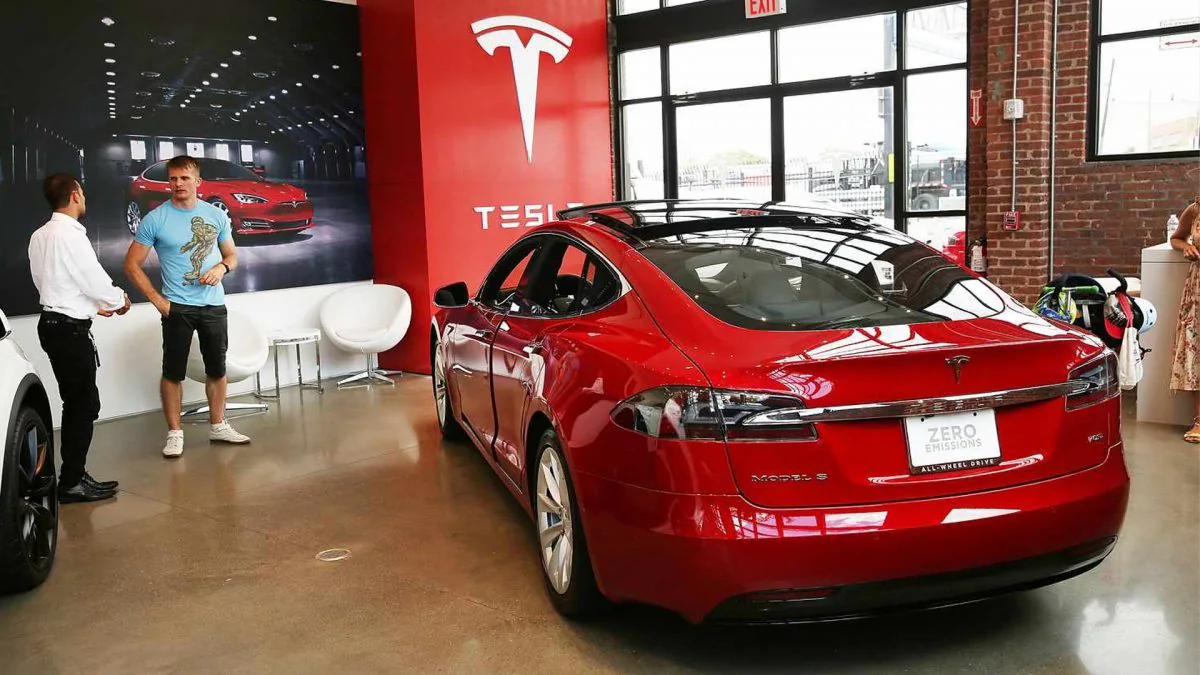
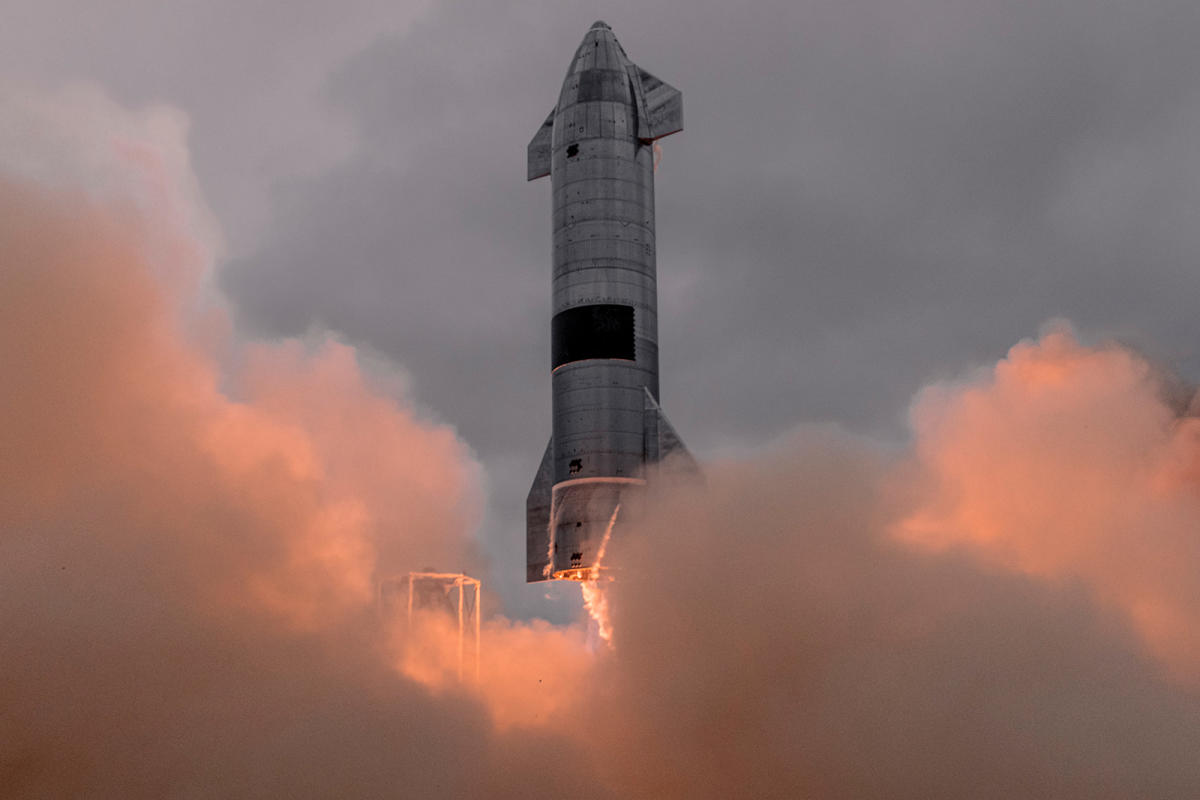
Intel has joined Elon Musk’s ambitious Terafab AI chip complex alongside Tesla and SpaceX, aiming to build next-generation processors for robotics and large-scale data center infrastructure.
The partnership focuses on producing chips to support Musk’s long-term vision across:
- Autonomous vehicles
- Humanoid robots
- Space-based AI data centers
Intel stated that its manufacturing expertise will help Terafab reach a target of 1 terawatt per year of compute capacity, a scale aligned with future AI and robotics demands.
Terafab Vision and Infrastructure
The Terafab initiative includes plans for two advanced chip factories in Austin, Texas:
- One dedicated to powering Tesla’s cars and humanoid robots
- Another focused on AI data centers, including potential space-based computing systems
The project reflects Musk’s strategy of vertically integrating hardware, AI, and infrastructure across his companies.
Strategic Importance for Intel
For Intel, the collaboration is strategically significant. The company has struggled to keep pace with competitors like Nvidia in the AI chip market, but this deal signals renewed relevance in high-performance computing.
Key implications:
- Validates Intel’s foundry capabilities for large-scale clients
- Strengthens its position in AI infrastructure supply chains
- Improves investor sentiment (shares rose after the announcement)
CEO Lip-Bu Tan described Terafab as a “step change” in semiconductor manufacturing, highlighting innovations across logic, memory, and packaging.
Turnaround Context
Intel is undergoing a major restructuring:
- Job cuts and asset sales to stabilize finances
- Increased investment from both government and industry partners
- Focus on its Intel Foundry business
However, challenges remain:
- Foundry division posted a $10.32 billion operating loss in 2025
- Revenue growth in that segment remains limited
The company is betting on its 18A manufacturing process to attract external customers and regain competitiveness.
Broader Industry Context
The deal comes amid:
- Explosive demand for AI compute infrastructure
- Growing need for custom silicon tailored to specific workloads
- Intensifying competition in advanced semiconductor manufacturing
Musk’s ecosystem—now increasingly interconnected through Tesla, SpaceX, and xAI—requires massive compute resources, making Terafab a central pillar of his long-term strategy.
Outlook
The partnership represents:
- A validation milestone for Intel’s turnaround
- A scaling experiment for vertically integrated AI infrastructure
- A potential shift toward distributed and space-based computing architectures
Execution risk remains high due to:
- Technical complexity
- Capital intensity
- Dependence on emerging AI and robotics adoption