
Apple Vision Pro Reportedly Faces Production and Marketing Cutbacks
Apple is said to have shipped around 45,000 Vision Pro headsets in Q4 2025 Devamını Oku

Apple is said to have shipped around 45,000 Vision Pro headsets in Q4 2025 Devamını Oku
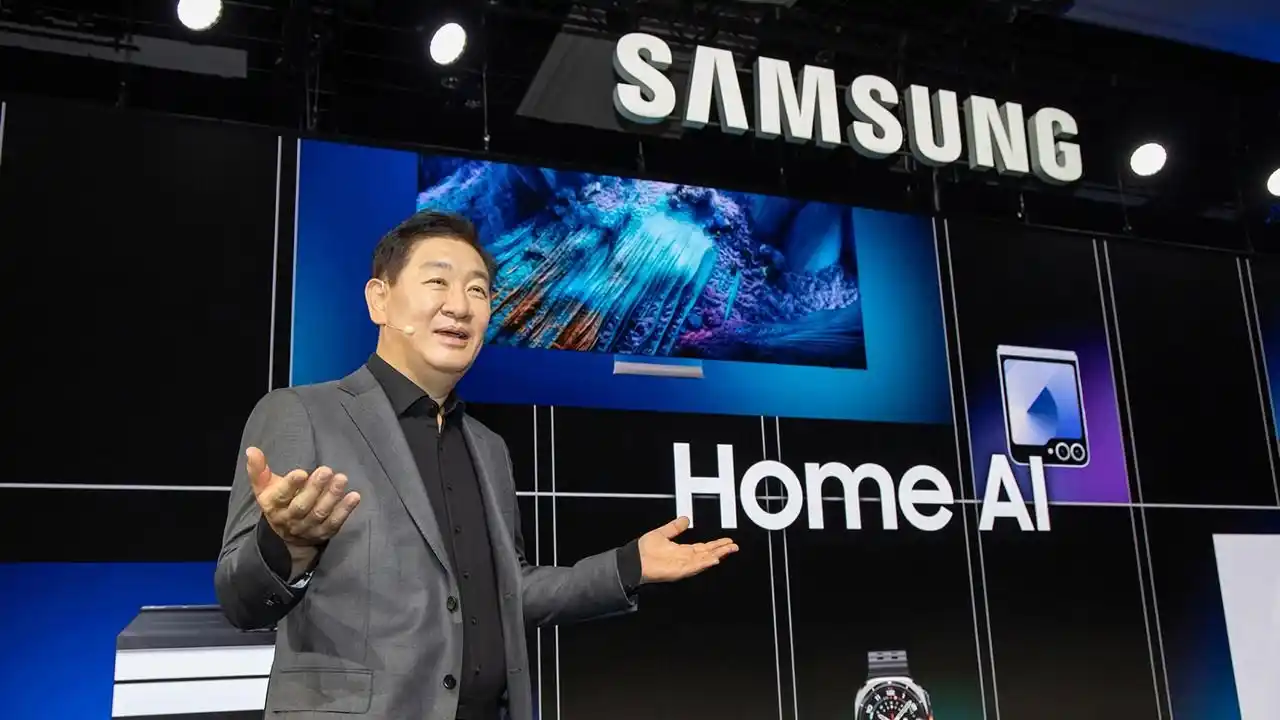
Samsung Electronics (005930.KS) has officially entered the extended reality (XR) arena with the launch of its Galaxy XR headset, developed in collaboration with Google and Qualcomm, as it seeks to rival Apple’s Vision Pro and Meta’s Quest devices.
Priced at $1,799, roughly half the cost of Apple’s headset, the Galaxy XR marks Samsung’s most ambitious push into next-generation computing. It runs on the Android XR operating system and features Google’s Gemini AI, which allows users to interact with real-world environments by identifying and analyzing objects in view.
The Galaxy XR combines virtual reality (VR) and mixed reality (MR) capabilities, letting users watch YouTube videos, play games, or explore 3D environments while maintaining awareness of their surroundings. Qualcomm’s Snapdragon XR2+ Gen 2 chip powers the headset, ensuring high performance for immersive AI-driven experiences.
Executives from Samsung and Google said the device, developed under the codename “Moohan” (meaning infinite in Korean), has been in the works for nearly a decade. “We believe now is the right moment to bring this to market,” said Jay Kim, executive vice president of Samsung’s mobile division.
Google’s AI integration is central to the headset’s appeal. Gemini can understand what users see and provide information, directions, or contextual responses in real time. “Google entering the fray again changes the dynamic,” said Anshel Sag, an analyst at Moor Insights & Strategy, noting that the software adds an estimated $1,000 in value to the device.
Buyers this year will receive 12 months of Google AI Pro, YouTube Premium, Google Play Pass, and exclusive XR content. Samsung is also working with Warby Parker and Gentle Monster to develop lighter, glasses-style models in future releases.
The launch comes as the head-mounted display market remains challenging. Research firm Gartner expects the global sector to grow modestly to $7.27 billion next year, while shipments of mixed reality devices are projected to fall 20% in 2025, according to Counterpoint Research.
Still, analysts say Samsung’s lower price and powerful partnerships position it as a credible challenger. “With a more competitive price point than Apple’s Vision Pro, Samsung’s Project Moohan headset could become a strong contender in the premium XR market,” said Flora Tang, senior analyst at Counterpoint.

With WWDC 2025 approaching, Apple is gearing up to showcase not only the anticipated iOS 19 updates for the iPhone but also significant software enhancements across its other devices. According to a well-known journalist, the Cupertino-based company plans to unveil major updates to the operating systems powering Apple TV (tvOS), Apple Watch (watchOS), and the Vision Pro headset (visionOS). Central to these upgrades is a new user interface that aims to unify the experience across Apple’s ecosystem.
Bloomberg’s Mark Gurman, in his Power On newsletter, revealed that Apple’s upcoming software refresh will extend beyond iOS, macOS, and iPadOS to include tvOS, watchOS, and visionOS. These systems will adopt a fresh, modern look based on an interface called “Solarium,” inspired by the design of glass rooms that allow natural sunlight to flood in. This new UI approach is expected to bring a slicker, more elegant visual style that aligns with Apple’s broader design language.
Gurman explained that the revamped operating systems will feature a cleaner and more consistent aesthetic, particularly for tvOS and watchOS, making them feel more integrated with Apple’s flagship platforms like the iPhone, iPad, and Mac. At the same time, visionOS will receive updates that enhance the functionality of Apple’s mixed reality headset, potentially introducing new interactive elements and improved system navigation tailored to immersive experiences.
While exact details remain under wraps, Apple has hinted at these design changes through WWDC promotional material, which includes a 3D reflective and translucent icon representing the Apple Park stage. Gurman also noted that iOS 19 aims to reduce inconsistencies in UI behavior across platforms—such as menu layouts and app closing gestures—making interactions smoother and more intuitive. Core apps across the systems may be redesigned to maintain visual and functional harmony, promising a more seamless user experience across Apple’s expanding range of devices.