
Close Menu
  • Home
  • Technology
  • Devices
  • Business
  • Science
  • Gadgets
  • Startups
Ayaksız
  • Home
  • Technology

    Lucid and Bolt Plan 25,000 Robotaxis for Europe

    Eylül 18, 2026

    AMD Gives PC Builders More Choice With New Ryzen 5 Desktop Chips

    Eylül 11, 2026

    Apple Expands Device Protection With a $49.99 Family Plan

    Eylül 11, 2026

    Snapdragon 8 Elite Extreme Gen 6 Reportedly Beats MediaTek’s Next Flagship Chipset

    Eylül 11, 2026

    Pinterest CFO Julia Donnelly to Step Down in October

    Ağustos 30, 2026
  • Devices

    Projector Setup: Separate Placement, Lens Shift, Zoom, and Keystone

    Kasım 18, 2026

    Router Mode or Access Point Mode? Give Each Network Device a Clear Job

    Kasım 18, 2026

    Scanner Feeder or Glass? Choose According to the Original

    Kasım 13, 2026

    Borderless Printing: Why the Edges of Your Photo Can Disappear

    Kasım 12, 2026

    Camera AE Lock: Recompose a Scene Without Letting Exposure Drift

    Kasım 11, 2026
  • Business

    Google Pixel 11 Pro Leaked Renders Indicate It Might Sport Thinner Bezels Than the Pixel 10 Pro

    Mart 30, 2026

    Motorola Edge 70 Debuts With Snapdragon 7 Gen 4, Ultra-Slim 5.99mm Body

    Kasım 5, 2025

    Samsung Galaxy S26 Series Could See Price Increase Amid Rising Component Costs: Report

    Kasım 4, 2025

    Amazon’s AWS Partners with NBA to Power New AI Basketball Platform

    Ekim 4, 2025

    Billionaire-Backed Bitcoin Firm OranjeBTC to List on Brazil’s B3 Exchange

    Ekim 4, 2025
  • Science

    Double Rainbows: Why the Outer Arc Reverses Its Colors

    Kasım 18, 2026

    Why Ice Floats—and Why Water Behaves Differently Near Freezing

    Kasım 13, 2026

    Air Pressure and Altitude: Why Two Weather Readings May Not Be Comparable

    Kasım 12, 2026

    A Light-Year Measures Distance: Understanding the Scale Behind Space Headlines

    Kasım 11, 2026

    Why the Sky Is Blue—and Why the Same Atmosphere Produces Red Sunsets

    Kasım 10, 2026
  • Gadgets

    Tripod Center Columns: Extra Height Comes with a Stability Tradeoff

    Kasım 18, 2026

    E Ink Ghosting: Match the Refresh Mode to the Task

    Kasım 13, 2026

    Camera Lens Hoods: Choose the Right Shape and Check the Whole Frame

    Kasım 12, 2026

    Pop Filters and Windscreens: Match Microphone Protection to the Noise

    Kasım 12, 2026

    USB Hub Power: Check Where Your Connected Devices Get Their Energy

    Kasım 11, 2026
  • Startups

    Cache-Control for Startups: No-Cache and No-Store Solve Different Problems

    Kasım 18, 2026

    Dead-Letter Queues: Investigate Before Replaying Failed Messages

    Kasım 13, 2026

    Database Connection Pools: Budget Across Every Application Replica

    Kasım 13, 2026

    Startup Staging Sites: Separate Search Visibility from Access Control

    Kasım 12, 2026

    API Idempotency Keys: Keep a Retry Connected to the Original Operation

    Kasım 11, 2026
Ayaksız
Anasayfa » Blog » US Researchers Uncover Likely Launch Site of Russia’s Controversial Nuclear-Powered Missile
Business

US Researchers Uncover Likely Launch Site of Russia’s Controversial Nuclear-Powered Missile

By ayaksızEylül 3, 2024Yorum yapılmamış3 Mins Read
Facebook Twitter Pinterest LinkedIn Tumblr Email
Share
Facebook Twitter LinkedIn Pinterest Email

Two U.S. researchers have identified a probable deployment site for Russia’s new nuclear-powered missile, the 9M370 Burevestnik, also known as “Skyfall” by NATO. The missile, which boasts near-limitless range and the ability to evade U.S. missile defenses, has been touted by President Vladimir Putin as an “invincible” weapon. However, Western experts have expressed skepticism about its strategic value, citing both its limited advantages and potential safety risks.

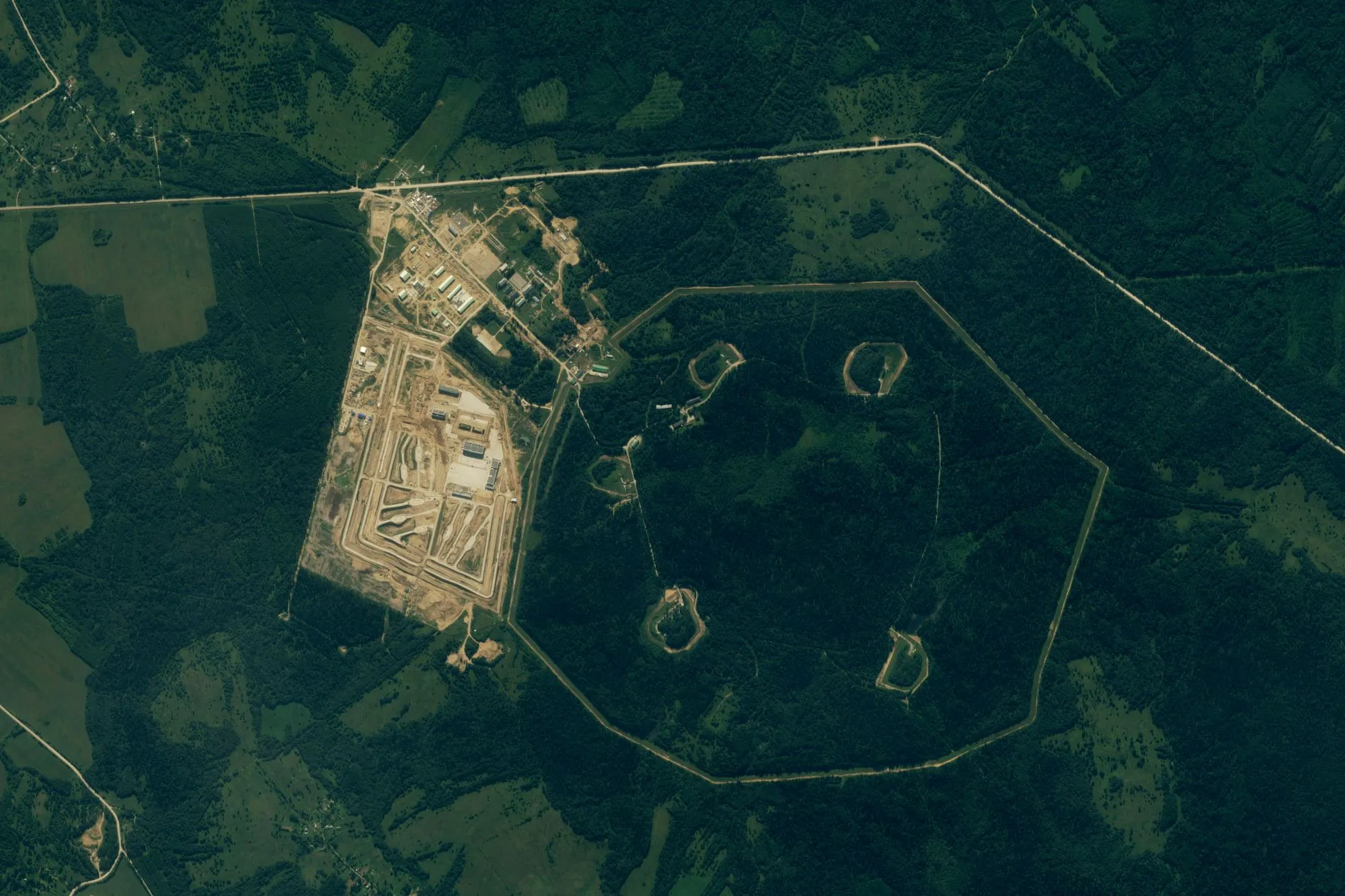
Satellite images taken by Planet Labs on July 26 have revealed a construction project near a nuclear warhead storage facility, Vologda-20, which researchers Decker Eveleth and Jeffery Lewis believe is the missile’s potential deployment site. The facility, located 295 miles north of Moscow, features nine horizontal launch pads, housed within berms for protection, with roads leading to nuclear storage bunkers. This configuration has led the researchers to conclude that Russia is advancing with its deployment of the missile despite a history of problematic test flights.

The missile’s poor performance record has raised doubts about its future. According to the Nuclear Threat Initiative, at least 13 tests since 2016 have only resulted in two partial successes. One of the most concerning failures occurred in 2019 when a nuclear reactor aboard a prototype exploded during recovery, leading to radioactive contamination in the White Sea. While Russia’s state nuclear agency Rosatom acknowledged the death of five engineers in the incident, Putin maintained that the weapon was unparalleled globally.

Despite its shortcomings, some experts believe the Burevestnik could be used as a political tool, enhancing Putin’s image as a strong leader and sending a message to Washington about the limitations of U.S. missile defenses. The missile’s development, which is not banned under the New START treaty, suggests that Russia is determined to expand its nuclear capabilities amidst deteriorating relations with the West, further escalating fears of a new arms race.

While some view the Burevestnik as a unique threat with its nuclear-powered engine capable of emitting radiation along its flight path, others argue it offers little strategic advantage over existing Russian capabilities. Experts like Cheryl Rofer, a former U.S. nuclear weapons scientist, have voiced concerns over its risks, describing the missile as a “flying Chernobyl” that poses more danger to Russia than its adversaries.

With the New START treaty set to expire in 2026, the deployment of the Burevestnik raises significant questions about future arms control efforts between the U.S. and Russia. Some analysts, like Pavel Podvig, speculate that Russia could use the missile as leverage in future negotiations, but with the ongoing war in Ukraine, the prospects for dialogue remain uncertain.

As tensions between Russia and the West continue to grow, the Burevestnik represents both a technological gamble and a potential bargaining chip in the high-stakes world of nuclear diplomacy.

Burevestnik Chebsara deployment site Missile Defense NATO New START nuclear arms race nuclear missile Putin Russia Skyfall strategic weapons US researchers Vologda-20
Share. Facebook Twitter Pinterest LinkedIn Tumblr Email
ayaksız
  • Website

Related Posts

Russia Looks to WeChat and Douyin to Build Max Messaging Platform

Nisan 10, 2026

Payment System Outage Disrupts Moscow Transport and Shops

Nisan 5, 2026

Google Pixel 11 Pro Leaked Renders Indicate It Might Sport Thinner Bezels Than the Pixel 10 Pro

Mart 30, 2026
Add A Comment

Comments are closed.

Recent Posts
  • Projector Setup: Separate Placement, Lens Shift, Zoom, and Keystone
  • Cache-Control for Startups: No-Cache and No-Store Solve Different Problems
  • Tripod Center Columns: Extra Height Comes with a Stability Tradeoff
  • Double Rainbows: Why the Outer Arc Reverses Its Colors
  • Router Mode or Access Point Mode? Give Each Network Device a Clear Job
Tags
AI AI Chips AI Infrastructure Amazon Android Apple Artificial Intelligence Bitcoin ChatGPT China Cryptocurrency Cybersecurity data centers DeepSeek Donald Trump Electric Vehicles Elon Musk Ether Generative AI Google Huawei India Investment Iphone Meta Microsoft NASA National Security Nvidia OnePlus OpenAI Oppo Realme Samsung semiconductor industry Social media Sony SpaceX Technology Tesla Tether TikTok Vivo WhatsApp Xiaomi
Ayaksız
Instagram
© 2026 Ayaksız.

Type above and press Enter to search. Press Esc to cancel.