
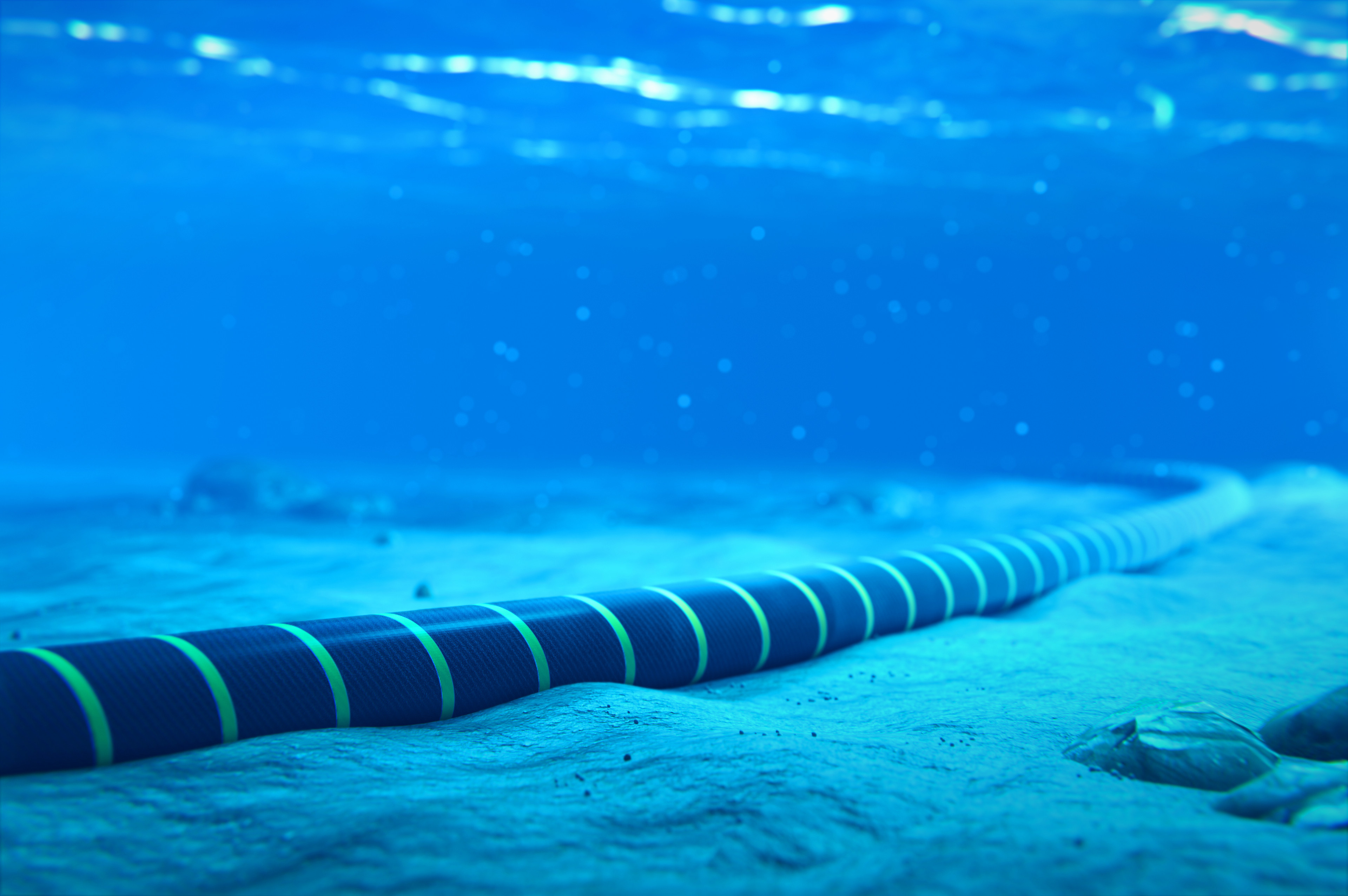
The vast majority of global digital communications—99% to be precise—rely on an intricate network of subsea cables. When these cables fail, entire countries can experience catastrophic disruptions to their internet service. But how do technicians repair a cable that lies at the bottom of the ocean?
A Historical Context: The 1929 Earthquake and its Impact
On November 18, 1929, a 7.2 magnitude earthquake struck off the coast of Newfoundland, Canada, triggering a devastating tsunami that claimed 28 lives. While the immediate effects were felt by local communities, the earthquake also set off a submarine landslide that had far-reaching consequences for transatlantic communication. This landslide caused twelve subsea cables to snap in 28 different locations, some of which broke almost simultaneously, while others failed in a cascading manner over the next several hours.
Initially, no one understood why the cables broke at such varied intervals and distances from the earthquake’s epicenter. It wasn’t until 1952 that scientists connected the dots, realizing the cables were damaged by a turbidity current—a fast-moving underwater avalanche of sediment triggered by the earthquake. This incident not only highlighted the vulnerability of subsea cables but also provided researchers with insights into underwater geological processes.
The Subsea Cable Network Today
Today, there are approximately 1.4 million kilometers (870,000 miles) of telecommunication cables crisscrossing the ocean floor, responsible for carrying 99% of digital data globally. Despite their critical role, these cables are surprisingly slender, often measuring only about 2 centimeters in diameter.
While a large-scale disruption similar to the 1929 incident would severely impact communication between North America and Europe, the global subsea cable network has proven to be remarkably resilient. According to Mike Clare, marine environmental advisor for the International Cable Protection Committee, there are 150 to 200 instances of cable damage each year, but the overall scale of the network means that repairs can often be made quickly.
Causes of Damage: Human Activity vs. Natural Events
Contrary to popular belief, the idea that sharks bite through these cables is largely an urban legend. In fact, 70-80% of cable faults are attributed to human activities such as fishing, where trawler nets or dropped anchors snag the cables. Natural hazards account for only 10-20% of cable damage, typically occurring from environmental factors like strong currents or underwater landslides.
While subsea cables need to remain lightweight for easier recovery and repair, those closer to shore are generally better armored to withstand human-related accidents.
The Repair Process: A Well-Organized Operation
When a cable fault is detected, a repair ship is dispatched to the location, often positioned strategically around the world for quick response times of 10-12 days. Modern repairs typically take about one to two weeks, significantly quicker than the nine months it took to address the damage caused by the 1929 earthquake.
During a repair, the ship employs a grapnel to lift the cable to the surface, where it is analyzed for faults. Technicians splice the optical fibers under a microscope to ensure optimal connectivity before sealing them and lowering the repaired cables back into the water.
In shallower waters, cables are buried in trenches to prevent future damage from maritime traffic. Advanced tools such as remotely operated vehicles (ROVs) or underwater ploughs are utilized to lay cables securely, even in extreme environments.
The Scientific Insights Gained
The process of laying and repairing subsea cables has also yielded unexpected scientific discoveries. For instance, early cable installations helped researchers identify geological features like the Mid-Atlantic Ridge. Today, these cables serve as acoustic sensors, capable of detecting marine life, storms, and even seismic activity.
Moreover, lessons learned from cable damage have led to a better understanding of underwater hazards. Climate change poses additional challenges, as increased sediment from floods can threaten cable integrity, necessitating careful planning for future installations.
Conclusion: The Importance of Redundancy and Geographic Diversity
The interconnected nature of global communication means that a single cable fault is often manageable, thanks to the redundancy built into the system. This redundancy allows other cables to take over if one fails, ensuring that most users remain unaffected.
However, as the demand for internet connectivity increases and environmental risks evolve, maintaining a diverse network of cable routes becomes increasingly crucial—especially for vulnerable regions such as small island nations prone to natural disasters.
Ultimately, as our reliance on the internet continues to grow, understanding and protecting this delicate underwater infrastructure is essential for keeping the world’s digital communications running smoothly.