
Close Menu
  • Home
  • Technology
  • Devices
  • Business
  • Science
  • Gadgets
  • Startups
Ayaksız
  • Home
  • Technology

    Lucid and Bolt Plan 25,000 Robotaxis for Europe

    Eylül 18, 2026

    AMD Gives PC Builders More Choice With New Ryzen 5 Desktop Chips

    Eylül 11, 2026

    Apple Expands Device Protection With a $49.99 Family Plan

    Eylül 11, 2026

    Snapdragon 8 Elite Extreme Gen 6 Reportedly Beats MediaTek’s Next Flagship Chipset

    Eylül 11, 2026

    Pinterest CFO Julia Donnelly to Step Down in October

    Ağustos 30, 2026
  • Devices

    iQOO 16 Design and Colour Options Unveiled With Major Camera Upgrade Confirmed

    Eylül 11, 2026

    Lava Bold N4 Pro 5G India Launch Date, Design and Key Specs Confirmed

    Eylül 11, 2026

    Xiaomi 18 Pro Max Geekbench Listing Reveals Key Specifications

    Eylül 10, 2026

    Samsung Galaxy Tab S12 Ultra, Tab S12+ Design Leaks in New Renders

    Eylül 10, 2026

    Vivo X500 Series Designs Revealed Ahead of September Launch

    Eylül 10, 2026
  • Business

    Google Pixel 11 Pro Leaked Renders Indicate It Might Sport Thinner Bezels Than the Pixel 10 Pro

    Mart 30, 2026

    Motorola Edge 70 Debuts With Snapdragon 7 Gen 4, Ultra-Slim 5.99mm Body

    Kasım 5, 2025

    Samsung Galaxy S26 Series Could See Price Increase Amid Rising Component Costs: Report

    Kasım 4, 2025

    Amazon’s AWS Partners with NBA to Power New AI Basketball Platform

    Ekim 4, 2025

    Billionaire-Backed Bitcoin Firm OranjeBTC to List on Brazil’s B3 Exchange

    Ekim 4, 2025
  • Science

    SpaceX’s $1.75 Trillion Valuation Raises Questions Ahead of IPO

    Nisan 11, 2026

    US Moves to Ease Satellite Power Limits, Boosting Space Broadband

    Nisan 10, 2026

    iPhone 17 Pro Max NASA Approves iPhone 17 Pro Max for Use on Artemis 2 Deep Space Mission

    Nisan 6, 2026

    Spain’s First Private 5G Satellite Mission

    Şubat 17, 2026

    Eutelsat Signs Launch Deal With MaiaSpace for LEO Satellites

    Ocak 17, 2026
  • Gadgets

    Vivo Buds Debut in India With Up to 50-Hour Battery Life

    Eylül 10, 2026

    Moto Buds 2 Fusion India Launch Date Confirmed, Features Teased

    Eylül 10, 2026

    Sennheiser Unveils Accentum Clip Earbuds With Up to 36 Hours of Total Battery Life

    Temmuz 2, 2026

    Nothing Ear 3a and CMF Buds Neo Appear in Regulatory Filings, Hinting at Upcoming Launch

    Haziran 2, 2026

    OnePlus Watch 4 Leak Hints at Launch With Snapdragon W5 and OxygenOS Watch 8

    Nisan 22, 2026
  • Startups

    Glean Reaches $7.2 Billion Valuation Amid AI Investment Surge

    Haziran 15, 2025

    How I Built a $2 Billion Super App: The Journey of Grab’s Anthony Tan and ’20-Hour’ Workdays

    Ekim 7, 2024

    Tupperware Files for Bankruptcy as Demand Declines

    Eylül 18, 2024

    Wildfire Detection Device Wins UK James Dyson Award

    Eylül 12, 2024

    Japan and Tokyo Governments Eye $4.7 Billion Valuation for Tokyo Metro in Upcoming IPO

    Ağustos 19, 2024
Ayaksız
Anasayfa » Blog » Research Suggests Black Holes May Fuel the Expansion of the Universe
Science

Research Suggests Black Holes May Fuel the Expansion of the Universe

By ayaksızKasım 13, 2024Yorum yapılmamış3 Mins Read
Facebook Twitter Pinterest LinkedIn Tumblr Email
Share
Facebook Twitter LinkedIn Pinterest Email

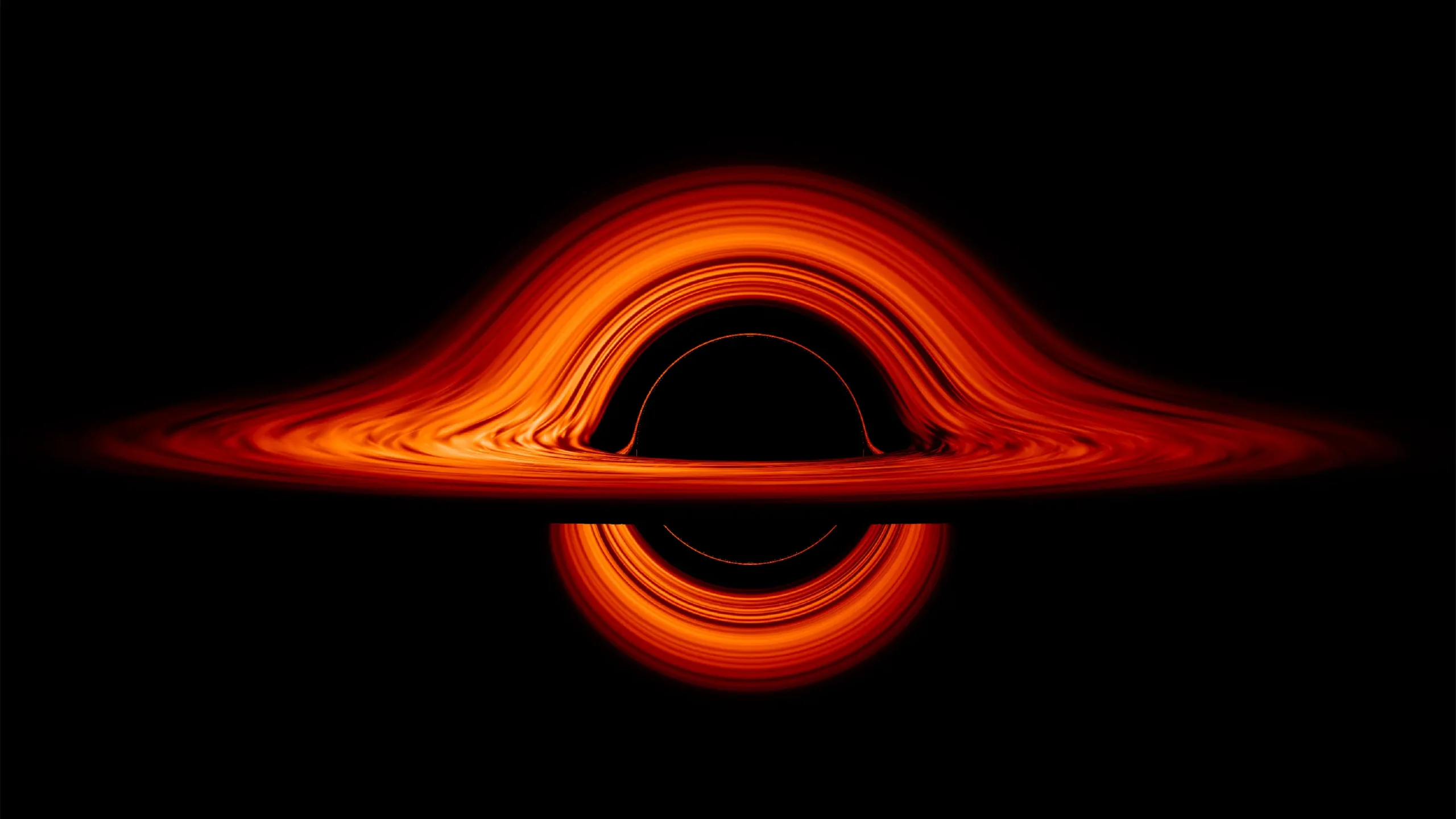
Astronomers are currently exploring a groundbreaking and controversial theory that black holes could be connected to the accelerated expansion of the universe, which is primarily attributed to dark energy. Dark energy, a mysterious force that makes up roughly 70 percent of the universe, has long been understood to cause the universe’s expansion by pushing galaxies apart. Since the discovery of dark energy, it has been assumed that it exists evenly throughout space, acting as a uniform force. However, a recent study published in the Journal of Cosmology and Astroparticle Physics presents a new perspective, suggesting a potential link between black holes and dark energy. This idea challenges traditional cosmological models and opens the door for further debate in the scientific community.

The research, led by a team using the Dark Energy Spectroscopic Instrument (DESI) at the Nicholas U. Mayall Telescope in Arizona, examined the relationship between black holes and dark energy. By analyzing data from deep space observations, the researchers sought to estimate the evolution of dark energy over cosmic history. Surprisingly, their results indicated a correlation between the growth of black holes and an increase in dark energy density over time. According to Dr. Gregory Tarlé, a professor of physics at the University of Michigan and co-author of the study, this relationship may suggest that the immense gravitational forces within black holes mimic the conditions that existed during the universe’s early stages. Tarlé likens this to a “reverse inflation” process, in which the collapse of a massive star could produce dark energy in a manner opposite to the Big Bang.

If this theory proves correct, it could help solve a major cosmological puzzle known as the “Hubble tension.” This refers to the observed discrepancies in the rate at which different regions of the universe expand, which current models struggle to reconcile. The idea that black holes might play a role in these variations in expansion offers a fresh avenue of exploration. Dr. Duncan Farrah, an associate professor of physics at the University of Hawaii and another co-author of the study, suggests that the evidence for a connection between black holes and dark energy is becoming increasingly plausible. If validated, this could lead to significant revisions in our understanding of cosmology and the forces shaping the universe’s evolution.

The implications of such a discovery would not only reshape theoretical physics but also have far-reaching consequences for future space exploration. If black holes are indeed contributing to the expansion of the universe, it would imply that their influence extends far beyond their immediate surroundings, potentially altering our perception of the role they play in the cosmos. This theory also calls for a reevaluation of dark energy itself, perhaps suggesting that it is not just a passive force but one actively involved in the cosmic processes that shape space-time. As research continues, the scientific community will undoubtedly continue to investigate this fascinating possibility, seeking answers to the most profound questions about the nature of the universe.

astronomy black holes cosmology dark energy universe expansion
Share. Facebook Twitter Pinterest LinkedIn Tumblr Email
ayaksız
  • Website

Related Posts

SpaceX’s $1.75 Trillion Valuation Raises Questions Ahead of IPO

Nisan 11, 2026

US Moves to Ease Satellite Power Limits, Boosting Space Broadband

Nisan 10, 2026

iPhone 17 Pro Max NASA Approves iPhone 17 Pro Max for Use on Artemis 2 Deep Space Mission

Nisan 6, 2026
Add A Comment

Comments are closed.

Recent Posts
  • Lucid and Bolt Plan 25,000 Robotaxis for Europe
  • AMD Gives PC Builders More Choice With New Ryzen 5 Desktop Chips
  • Apple Expands Device Protection With a $49.99 Family Plan
  • Snapdragon 8 Elite Extreme Gen 6 Reportedly Beats MediaTek’s Next Flagship Chipset
  • iQOO 16 Design and Colour Options Unveiled With Major Camera Upgrade Confirmed
Tags
AI AI Chips AI Infrastructure Amazon Android Apple Artificial Intelligence Bitcoin ChatGPT China Cryptocurrency Cybersecurity data centers DeepSeek Donald Trump Electric Vehicles Elon Musk Ether Generative AI Google Huawei India Investment Iphone Meta Microsoft NASA National Security Nvidia OnePlus OpenAI Oppo Realme Samsung semiconductor industry Social media Sony SpaceX Technology Tesla Tether TikTok Vivo WhatsApp Xiaomi
Ayaksız
Instagram
© 2026 Ayaksız.

Type above and press Enter to search. Press Esc to cancel.