
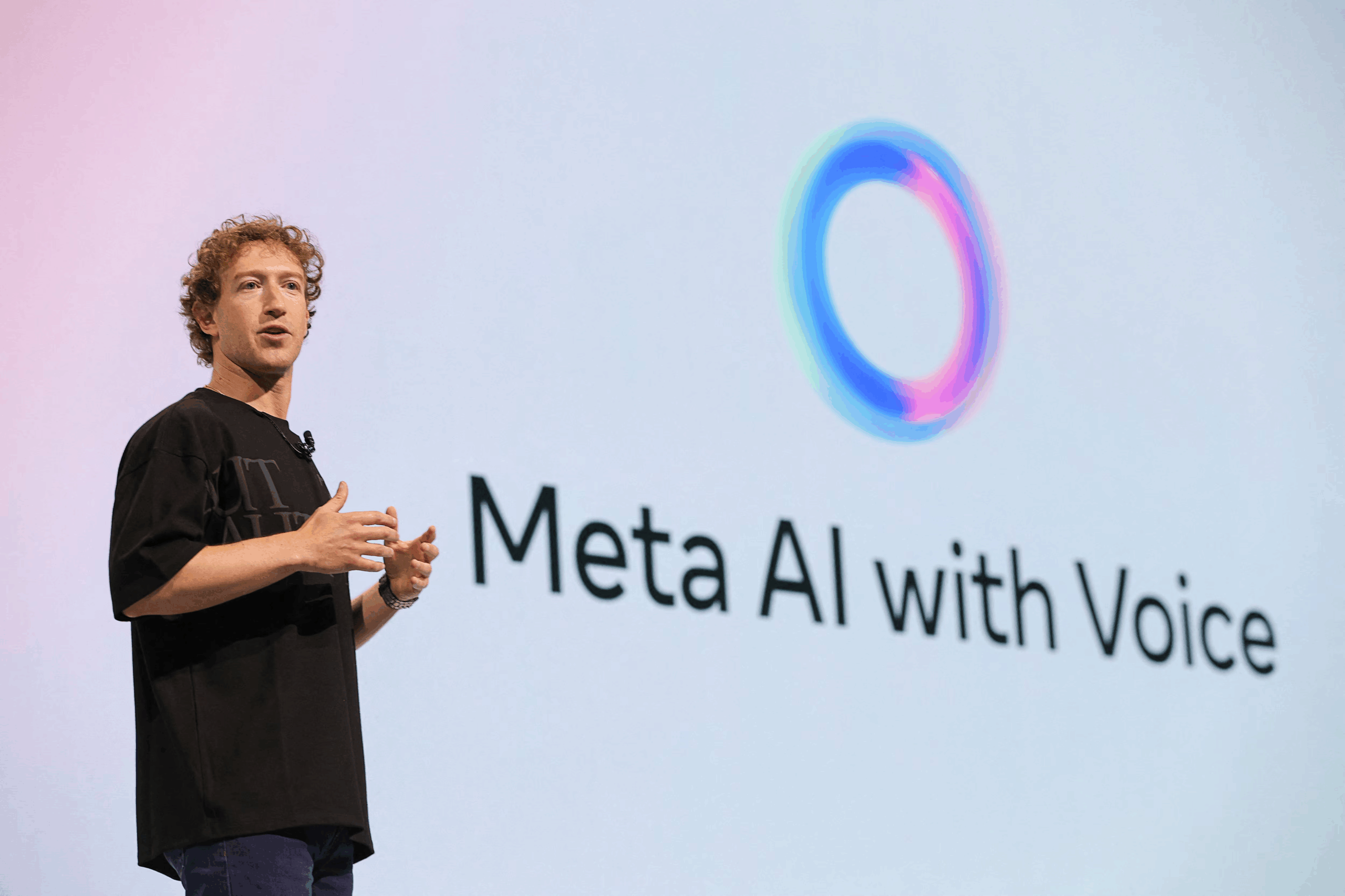
Meta Platforms is escalating the AI talent war by aggressively recruiting top researchers and engineers for its newly formed Superintelligence Labs, aiming to close the gap with leading AI firms like OpenAI, Google DeepMind, Anthropic, and rising Chinese rival DeepSeek.
The initiative follows a lukewarm response to Meta’s LLaMA 4 model and a string of senior staff exits. Now, under Mark Zuckerberg’s direction, Meta is attempting to reposition itself at the forefront of the generative AI revolution by poaching a wave of elite talent from competitors.
Notably, OpenAI CEO Sam Altman recently claimed that Meta was offering bonuses of up to $100 million to lure away his top employees.
Major Recruits to Meta’s AI Division
Here’s a rundown of the high-profile AI experts who have recently joined Meta’s Superintelligence Labs:
-
Alexandr Wang: Former Scale AI CEO and now Meta’s Chief AI Officer. Wang will oversee the entire Superintelligence initiative. Meta previously invested $14.3 billion in Scale AI.
-
Nat Friedman: Former GitHub CEO and co-founder of VC firm NFDG. He joins as co-lead of Superintelligence Labs, overseeing applied research and product direction.
-
Daniel Gross: Co-founder of Safe Superintelligence and another NFDG partner, now leading Meta’s AI product division.
-
Ruoming Pang: Former head of Apple’s Foundation Models team, he joined Meta with a multi-million-dollar compensation package.
-
Trapit Bansal: An OpenAI researcher who helped develop the influential “o-series” models. He previously worked alongside Ilya Sutskever.
-
Shuchao Bi: Formerly with YouTube and Google, and most recently OpenAI, Bi played a critical role in Google Ads and co-founded YouTube Shorts.
-
Huiwen Chang: Co-creator of GPT-4o at OpenAI and inventor of MaskGIT and Muse during her time at Google Research.
-
Ji Lin: Previously built multimodal reasoning systems and Operator stack at OpenAI.
-
Joel Pobar: Formerly with Anthropic, where he managed inference pipelines, and previously spent over a decade at Meta.
-
Jack Rae: Technical lead at Google DeepMind, he was a key figure behind the Gemini 2.5 reasoning capabilities.
-
Hongyu Ren: Helped develop GPT‑4o and several o-series models at OpenAI. Specialized in post-training strategies.
-
Johan Schalkwyk: A former Google Fellow, Schalkwyk joins Meta as Voice Lead, bringing deep speech AI experience.
-
Pei Sun: Previously at Google DeepMind, where he worked on Gemini post-training and coding; also a former key player in Waymo’s perception team.
-
Jiahui Yu: Co-creator of o3, o4-mini, GPT-4.1, and GPT-4o at OpenAI. Previously led a perception team at an AI startup.
-
Shengjia Zhao: A veteran OpenAI researcher, co-creator of ChatGPT, GPT-4, and multiple mini and o-series models.
Context and Strategic Implications
Meta’s aggressive recruitment comes as open-source alternatives lose steam and proprietary models from rivals dominate benchmarks and investor sentiment. The newly formed Superintelligence Labs aims to integrate core research, infrastructure, and applied AI product teams under one roof.
Zuckerberg’s strategy appears to blend cutting-edge foundational model development with AI-driven product innovation, positioning Meta to rival OpenAI’s GPT line, Anthropic’s Claude, and Google’s Gemini models not just in capability, but also in speed-to-market.
With billions of dollars invested and Silicon Valley’s top minds onboard, Meta is setting the stage for a renewed offensive in the AI arms race.