
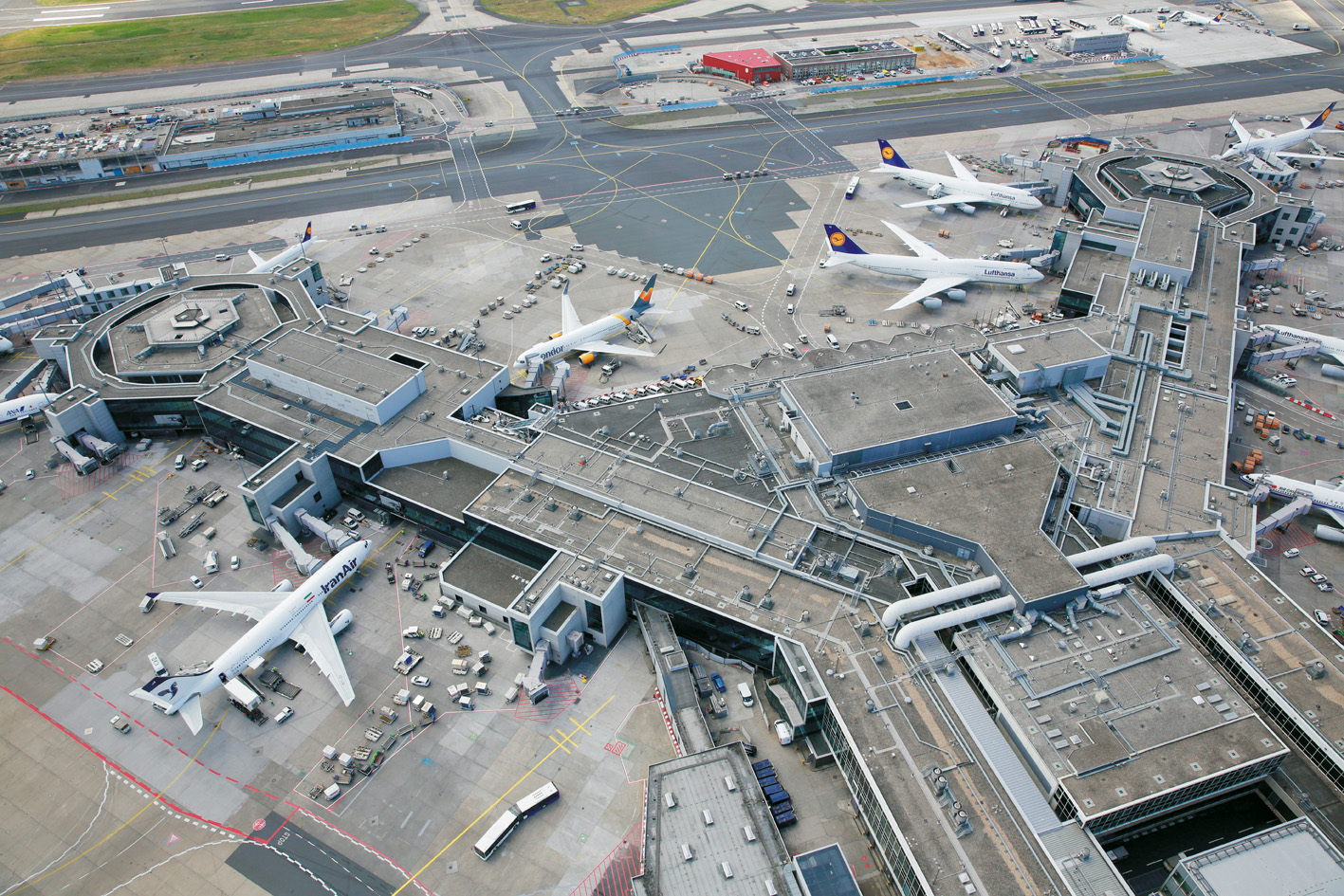
A cyberattack on check-in and boarding systems provider Collins Aerospace caused major disruptions on Saturday across several European airports, including London’s Heathrow, Brussels, Berlin, and Dublin, with impacts expected to stretch into Sunday.
The incident targeted Collins’ MUSE software, which supports airlines worldwide. Parent company RTX confirmed a “cyber-related disruption” but gave no details on the attackers. Airports reported flight delays, cancellations, and diversions, while manual check-in procedures were deployed to keep passengers moving.
-
At Heathrow, Brussels, and Berlin, 29 flights were cancelled by mid-day out of nearly 1,100 scheduled departures.
-
Brussels Airport ordered airlines to cancel half of Sunday’s flights to avoid chaotic queues and last-minute cancellations.
-
Berlin and Dublin airports reported long wait times, while Frankfurt remained unaffected.
The European Commission said there was no indication of a “widespread or severe attack,” though investigations are ongoing. Experts warned the case underscores the fragility of aviation’s digital ecosystem, vulnerable to ransomware or sabotage.
Passengers expressed frustration over poor communication:
-
“We haven’t been told anything except that there was a technical fault,” one traveller in Berlin said.
-
Another called it “inexplicable” that systems remain so easily disrupted.
Airlines responded unevenly: easyJet said operations were normal, Delta and United reported only minor delays, while Ryanair and British Airways did not immediately comment.
Authorities in Britain and Germany said cyber defence teams are working with airports to manage the fallout. The disruption adds to a year marked by high-profile hacks, including breaches at Jaguar Land Rover and UK retailers, fueling concern about escalating digital threats across industries.