
Close Menu
  • Home
  • Technology
  • Devices
  • Business
  • Science
  • Gadgets
  • Startups
Ayaksız
  • Home
  • Technology

    Lucid and Bolt Plan 25,000 Robotaxis for Europe

    Eylül 18, 2026

    AMD Gives PC Builders More Choice With New Ryzen 5 Desktop Chips

    Eylül 11, 2026

    Apple Expands Device Protection With a $49.99 Family Plan

    Eylül 11, 2026

    Snapdragon 8 Elite Extreme Gen 6 Reportedly Beats MediaTek’s Next Flagship Chipset

    Eylül 11, 2026

    Pinterest CFO Julia Donnelly to Step Down in October

    Ağustos 30, 2026
  • Devices

    Projector Setup: Separate Placement, Lens Shift, Zoom, and Keystone

    Kasım 18, 2026

    Router Mode or Access Point Mode? Give Each Network Device a Clear Job

    Kasım 18, 2026

    Scanner Feeder or Glass? Choose According to the Original

    Kasım 13, 2026

    Borderless Printing: Why the Edges of Your Photo Can Disappear

    Kasım 12, 2026

    Camera AE Lock: Recompose a Scene Without Letting Exposure Drift

    Kasım 11, 2026
  • Business

    Google Pixel 11 Pro Leaked Renders Indicate It Might Sport Thinner Bezels Than the Pixel 10 Pro

    Mart 30, 2026

    Motorola Edge 70 Debuts With Snapdragon 7 Gen 4, Ultra-Slim 5.99mm Body

    Kasım 5, 2025

    Samsung Galaxy S26 Series Could See Price Increase Amid Rising Component Costs: Report

    Kasım 4, 2025

    Amazon’s AWS Partners with NBA to Power New AI Basketball Platform

    Ekim 4, 2025

    Billionaire-Backed Bitcoin Firm OranjeBTC to List on Brazil’s B3 Exchange

    Ekim 4, 2025
  • Science

    Double Rainbows: Why the Outer Arc Reverses Its Colors

    Kasım 18, 2026

    Why Ice Floats—and Why Water Behaves Differently Near Freezing

    Kasım 13, 2026

    Air Pressure and Altitude: Why Two Weather Readings May Not Be Comparable

    Kasım 12, 2026

    A Light-Year Measures Distance: Understanding the Scale Behind Space Headlines

    Kasım 11, 2026

    Why the Sky Is Blue—and Why the Same Atmosphere Produces Red Sunsets

    Kasım 10, 2026
  • Gadgets

    Tripod Center Columns: Extra Height Comes with a Stability Tradeoff

    Kasım 18, 2026

    E Ink Ghosting: Match the Refresh Mode to the Task

    Kasım 13, 2026

    Camera Lens Hoods: Choose the Right Shape and Check the Whole Frame

    Kasım 12, 2026

    Pop Filters and Windscreens: Match Microphone Protection to the Noise

    Kasım 12, 2026

    USB Hub Power: Check Where Your Connected Devices Get Their Energy

    Kasım 11, 2026
  • Startups

    Cache-Control for Startups: No-Cache and No-Store Solve Different Problems

    Kasım 18, 2026

    Dead-Letter Queues: Investigate Before Replaying Failed Messages

    Kasım 13, 2026

    Database Connection Pools: Budget Across Every Application Replica

    Kasım 13, 2026

    Startup Staging Sites: Separate Search Visibility from Access Control

    Kasım 12, 2026

    API Idempotency Keys: Keep a Retry Connected to the Original Operation

    Kasım 11, 2026
Ayaksız
Anasayfa » Blog » Intense Thunderstorms on Jupiter May Alter Its Colour and Visual Features
Science

Intense Thunderstorms on Jupiter May Alter Its Colour and Visual Features

By ayaksızAralık 23, 2024Yorum yapılmamış2 Mins Read
Facebook Twitter Pinterest LinkedIn Tumblr Email
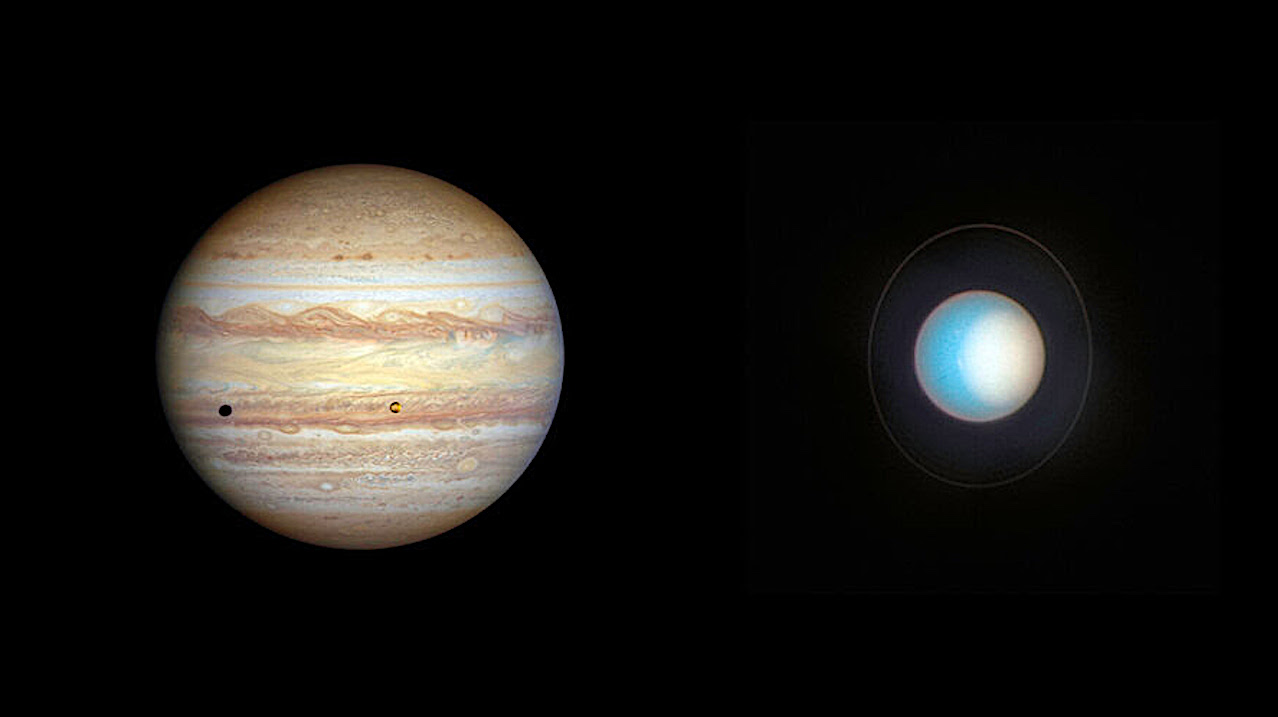
[Jupiter: left] - The forecast for Jupiter is for stormy weather at low northern latitudes. A prominent string of alternating storms is visible, forming a ‘vortex street’ as some planetary astronomers call it. This is a wave pattern of nested cyclones and anticyclones, locked together like the alternating gears of a machine moving clockwise and counterclockwise. If the storms get close enough to each other and merge together, they could build an even larger storm, potentially rivalling the current size of the Great Red Spot. The staggered pattern of cyclones and anticyclones prevents individual storms from merging. Activity is also seen interior to these storms; in the 1990s Hubble didn’t see any cyclones or anticyclones with built-in thunderstorms, but these storms have sprung up in the last decade. Strong colour differences indicate that Hubble is seeing different cloud heights and depths as well. The orange moon Io photobombs this view of Jupiter’s multicoloured cloud tops, casting a shadow toward the planet’s western limb. Hubble’s resolution is so sharp that it can see Io’s mottled-orange appearance, the result of its numerous active volcanoes. These volcanoes were first discovered when the Voyager 1 spacecraft flew by in 1979. The moon’s molten interior is overlaid by a thin crust through which the volcanoes eject material. Sulphur takes on various hues at different temperatures, which is why Io’s surface is so colourful. This photo was taken on 12 November 2022. [Uranus: right] - Uranus’s north pole shows a thickened photochemical haze that looks similar to the smog over cities. Several little storms can be seen near the edge of the polar haze boundary. Hubble has been tracking the size and brightness of the north polar cap and it continues to get brighter year after year. Astronomers are disentangling multiple effects — from atmospheric circulation, particle properties, and chemical processes — that control how the atmospheric polar cap changes with the seasons. At the Uranian equinox in 2007, neither pole was particularly bright. As the northern summer solstice approaches in 2028 the cap may grow brighter still, and will be aimed directly toward Earth, allowing good views of the rings and the north pole; the ring system will then appear face-on. This image was taken on 10 November 2022. Note: The planets do not appear in this image to scale. [Image Description: Jupiter is positioned on the left. It is banded in stripes of brownish orange, light gray, soft yellow, and shades of cream. Uranus is positioned on the right. It appears tipped on its side and is mainly colored cyan.]
Share
Facebook Twitter LinkedIn Pinterest Email

Newly captured images of Jupiter have revealed two enormous thunderstorms brewing within the planet’s Southern Equatorial Belt (SEB). These massive storms are expected to produce green lightning, a rare phenomenon on the gas giant, and may lead to significant changes in the belt’s distinctive reddish-brown colour. Observers speculate that the intensity of these storms could alter the visual appearance of Jupiter’s surface, adding to the already dynamic and ever-changing features of the planet. This latest discovery has sparked great interest among astronomers and space enthusiasts alike, as the effects of these storms unfold.

The images, taken by astrophotographer Michael Karrer on November 30 using an 8-inch Celestron telescope, offer a striking view of two prominent white patches within the SEB. These patches, identified as massive thunderstorms, have been the subject of discussion by John Rogers, an astronomer with the British Astronomical Association. According to Rogers, similar storms were observed on Jupiter between 2016 and 2017, but this new occurrence appears to be much larger in scale, making it a noteworthy event for planetary scientists.

The thunderstorms, which are believed to extend nearly 100 kilometers beneath Jupiter’s thick atmosphere, are among the largest and most intense ever recorded on the planet. While their exact size is still being studied, it is estimated that the storms’ widths are likely greater than the entire diameter of Earth. The storms not only bring extreme weather but also produce green lightning, a striking contrast to the blue lightning seen on Earth. This unusual lightning colour is a result of atmospheric ammonia on Jupiter, as opposed to the water vapour responsible for Earth’s blue lightning. NASA research has previously documented this phenomenon, further supporting its presence on the gas giant.

As the storms continue to rage within Jupiter’s atmosphere, their long-term effects on the planet’s appearance remain uncertain. The potential for the SEB’s reddish-brown hue to be diluted could lead to dramatic visual changes that would alter how we view the planet. With further observation and study, scientists hope to gain a deeper understanding of these storms and their broader implications for the atmospheric dynamics of Jupiter, a planet known for its fierce weather patterns and ever-shifting appearance.

astronomy green lightning Jupiter Southern Equatorial Belt space observation thunderstorms
Share. Facebook Twitter Pinterest LinkedIn Tumblr Email
ayaksız
  • Website

Related Posts

Double Rainbows: Why the Outer Arc Reverses Its Colors

Kasım 18, 2026

Why Ice Floats—and Why Water Behaves Differently Near Freezing

Kasım 13, 2026

Air Pressure and Altitude: Why Two Weather Readings May Not Be Comparable

Kasım 12, 2026
Add A Comment

Comments are closed.

Recent Posts
  • Projector Setup: Separate Placement, Lens Shift, Zoom, and Keystone
  • Cache-Control for Startups: No-Cache and No-Store Solve Different Problems
  • Tripod Center Columns: Extra Height Comes with a Stability Tradeoff
  • Double Rainbows: Why the Outer Arc Reverses Its Colors
  • Router Mode or Access Point Mode? Give Each Network Device a Clear Job
Tags
AI AI Chips AI Infrastructure Amazon Android Apple Artificial Intelligence Bitcoin ChatGPT China Cryptocurrency Cybersecurity data centers DeepSeek Donald Trump Electric Vehicles Elon Musk Ether Generative AI Google Huawei India Investment Iphone Meta Microsoft NASA National Security Nvidia OnePlus OpenAI Oppo Realme Samsung semiconductor industry Social media Sony SpaceX Technology Tesla Tether TikTok Vivo WhatsApp Xiaomi
Ayaksız
Instagram
© 2026 Ayaksız.

Type above and press Enter to search. Press Esc to cancel.