Orionid Meteor Shower 2025: Your Guide to Catching the Spectacular Shooting Stars
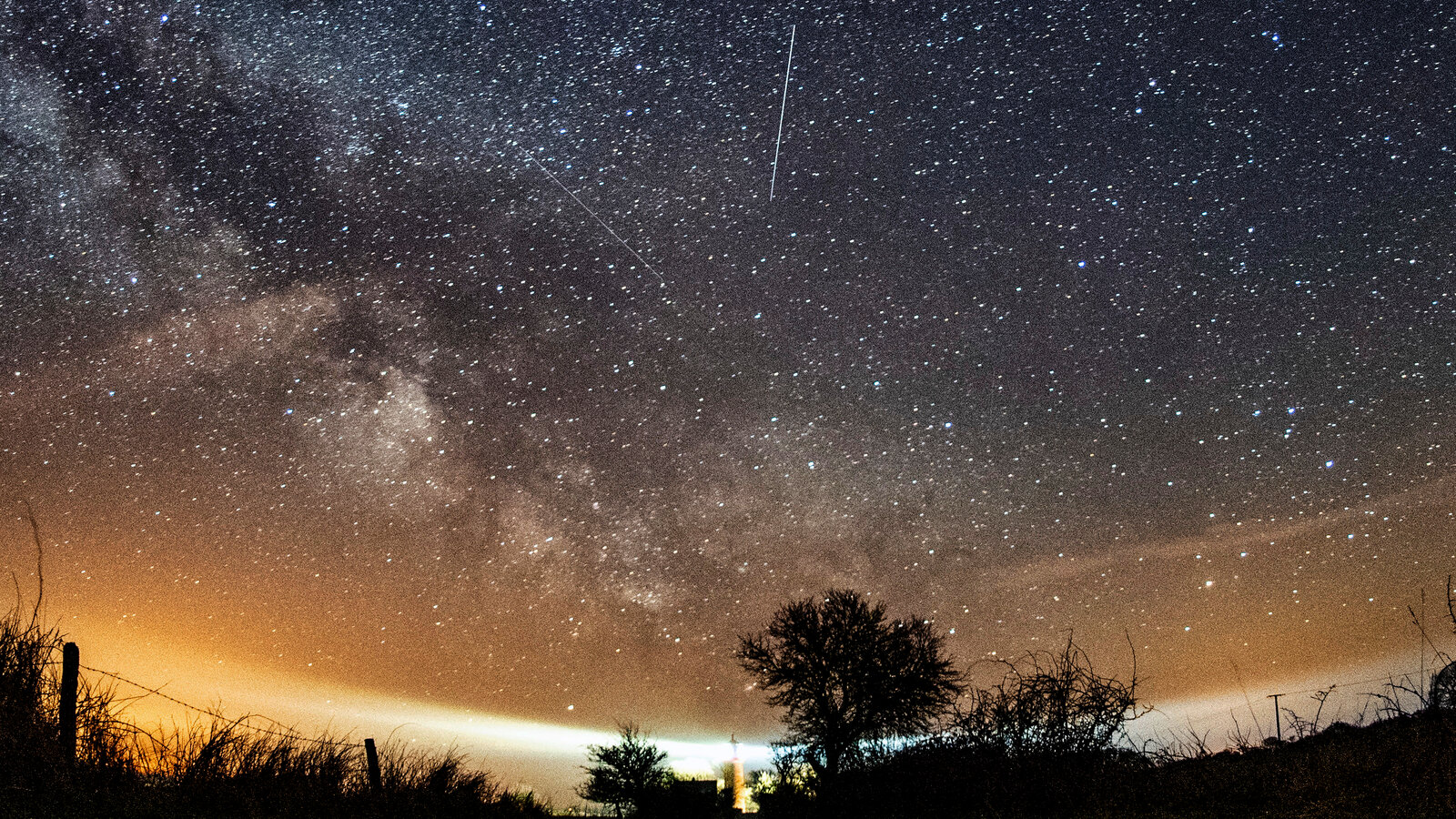
The Orionid meteor shower is set to light up the night sky in 2025, offering skywatchers a spectacular display of “shooting stars.” These meteors are tiny fragments of Halley’s Comet, streaking across Earth’s atmosphere as the planet passes through the comet’s dust trail. From early October to mid-November, observers can catch glimpses of bright, colorful streaks that seem to dance across the heavens. The meteor shower is expected to reach its peak on the night of October 21 and continue into the early hours of October 22, providing the perfect opportunity for a memorable celestial show.
The Orionids trace their origins back to Halley’s Comet, which leaves behind a trail of dust and debris as it orbits the Sun. Each year, Earth passes through this stream, and the tiny particles entering the atmosphere burn up, producing the brilliant streaks of light we know as meteors. These cosmic fragments are typically no larger than grains of sand, yet they create a dazzling display visible across the globe.
For those planning to watch the Orionids, peak activity is expected during the nights of October 21–22 and possibly October 22–23. During these periods, observers under clear, dark skies can expect to see between 10 and 20 meteors per hour. Unlike some meteor showers, the Orionids often produce bright, fast-moving meteors that can leave glowing trails, adding extra excitement to the experience.
To make the most of the show, viewers are encouraged to find a location away from city lights, lie back comfortably, and scan the sky for meteors. No special equipment is needed—just patience and a keen eye. This year’s Orionid meteor shower promises to be a stunning reminder of the dynamic and ever-changing cosmos above us.