Yazılar

SpaceX Buys EchoStar Spectrum in $17 Billion Deal to Expand Starlink’s 5G Reach

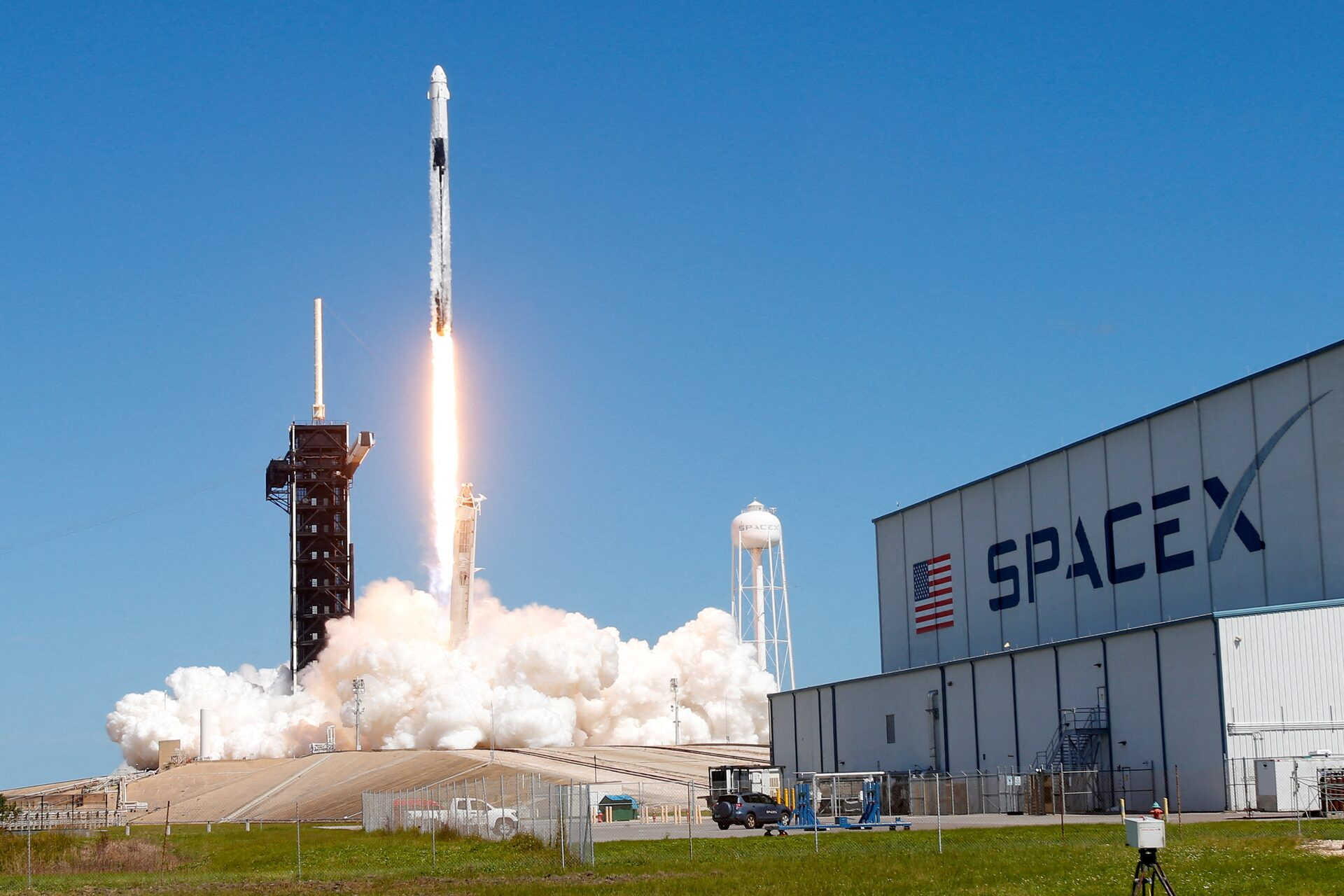
SpaceX announced Monday that it will purchase wireless spectrum licenses from EchoStar for about $17 billion, a move designed to accelerate Starlink’s expansion into the 5G mobile connectivity business. The deal also allows EchoStar’s Boost Mobile subscribers to access Starlink’s direct-to-cell satellite service, extending coverage to underserved regions.

The acquisition gives SpaceX exclusive rights to critical mid-band spectrum, enabling it to build upgraded, laser-linked Starlink satellites that could expand network capacity by over 100 times. “With exclusive spectrum, SpaceX will develop next-generation Starlink Direct to Cell satellites… to end mobile dead zones around the world,” said SpaceX President Gwynne Shotwell.

The deal boosted EchoStar’s shares by 19%, while U.S. carriers AT&T, T-Mobile and Verizon fell 2–3% amid investor concerns over heightened competition. Americans’ mobile data usage surged 35% in 2024 to a record 132 trillion MB, underscoring the need for expanded capacity.

Since 2020, SpaceX has launched more than 8,000 Starlink satellites, with about 600 “cell towers in space” deployed in 2024 alone for direct-to-cell services. Its giant Starship rocket, now in advanced testing, will play a key role in launching the next generation of larger satellites, with operational missions expected in 2026.

The FCC, which had questioned EchoStar’s spectrum obligations, welcomed the SpaceX deal, calling it an opportunity to “supercharge competition” and extend connectivity. EchoStar recently sold $23 billion in spectrum licenses to AT&T, and the SpaceX transaction is expected to resolve regulatory inquiries.

The purchase structure includes $8.5 billion in cash, $8.5 billion in SpaceX stock, and $2 billion in debt interest coverage. EchoStar will continue to operate its Dish TV, Sling, Hughes internet service and Boost Mobile brands.

The deal marks a major win for Elon Musk’s push to control spectrum for Starlink, shifting from leasing agreements with carriers like T-Mobile to operating on frequencies SpaceX owns outright.
Ukraine Tests Starlink Direct-to-Cell Technology with Kyivstar

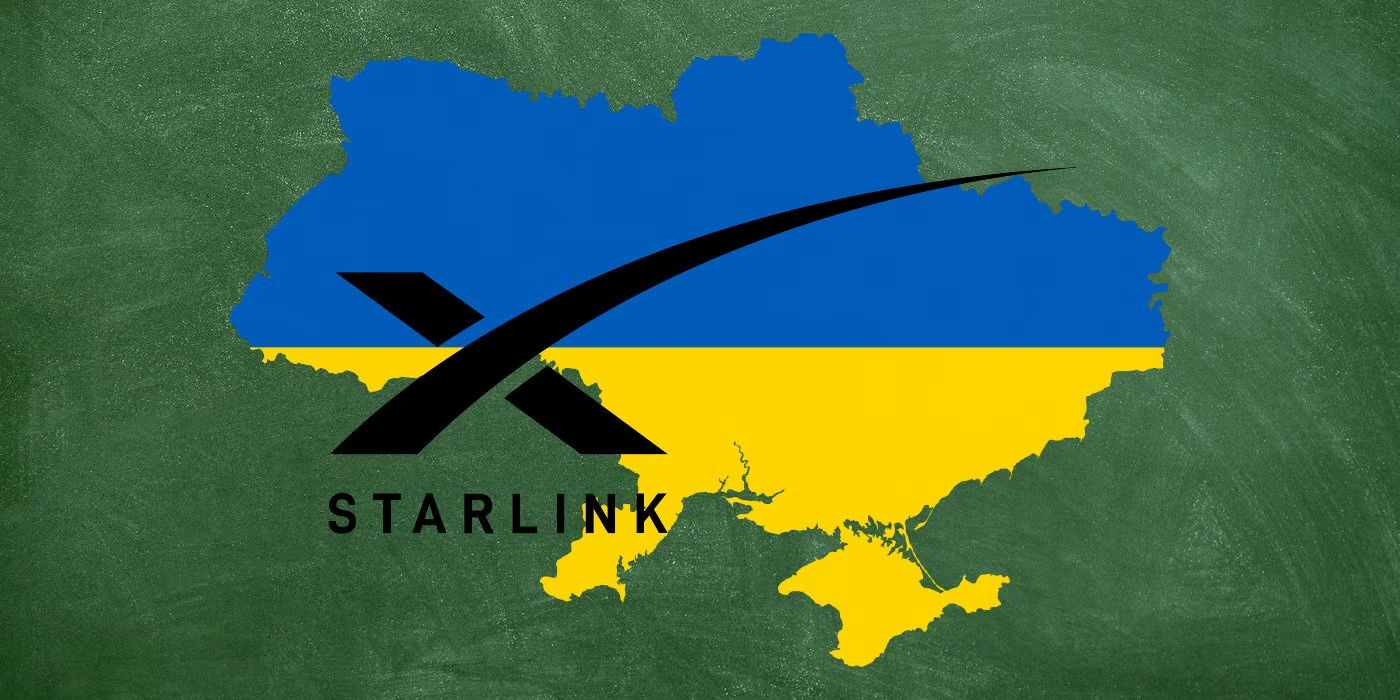
Ukraine’s Kyivstar, the country’s largest mobile operator, has successfully field-tested Starlink’s direct-to-cell satellite technology in Eastern Europe, the company announced Tuesday. The pilot took place in the Zhytomyr region, with Kyivstar CEO Oleksandr Komarov and Ukraine’s Digital Transformation Minister Mykhailo Fedorov exchanging messages via standard smartphones.

WHY IT MATTERS
Direct-to-cell technology allows satellites to beam cellular signals directly to phones, providing connectivity when terrestrial networks are disrupted—a key advantage in war-torn Ukraine, where Russian attacks frequently damage infrastructure. The technology essentially acts as a cell tower in space, improving coverage in areas with limited or damaged ground networks.

GLOBAL CONTEXT
Telecom operators worldwide are exploring satellite solutions to reduce dead zones in remote or challenging terrain. Starlink, owned by SpaceX, has deals with carriers in 10 countries to offer direct-to-cell services, with Kyivstar positioned to be the first European operator to launch commercially.

NEXT STEPS

  • Kyivstar and Starlink plan a commercial rollout in Q4 2025, initially supporting messaging services.

  • Mobile satellite broadband access for broader users is expected early 2026.

  • VEON, Kyivstar’s parent company, is also exploring partnerships with providers such as Amazon’s Project Kuiper to expand satellite connectivity for mobile devices beyond Ukraine.

Ukraine to launch Starlink mobile internet in 2026, becoming Europe’s first

Ukraine is set to become the first European country to offer Starlink mobile services, with telecom operator Kyivstar planning to roll out messaging by the end of 2025 and mobile satellite broadband by mid-2026, Kyivstar CEO Oleksandr Komarov announced.

Under a deal with SpaceX signed in late 2024, field tests have already started for direct-to-cell satellite services, which connect smartphones directly to satellites without relying on traditional cell towers. This technology allows satellite constellations to function like mobile networks from space.

Komarov told Reuters that the initial phase will focus on over-the-top (OTT) messaging platforms such as WhatsApp and Signal, expected to be operational by the end of this year. Full mobile satellite broadband data and voice services are targeted for launch by the second quarter of 2026.

While SpaceX did not comment, the announcement follows a related plan by U.S. carrier T-Mobile, which will offer data services on its Starlink-powered satellite-to-cell network starting October.

Komarov made these remarks ahead of a Ukraine recovery conference hosted by Italy, marking three years since Russia’s invasion. Ukrainian President Volodymyr Zelenskiy is also attending the event. Komarov emphasized his goal to support the Ukrainian government and foster new business relations, including partnerships with Italian firms aiming to invest in Ukraine.

Kyivstar, part of telecom group VEON, is progressing with plans for a U.S. stock market listing on NASDAQ, aiming to complete the direct placement of a Ukrainian entity during wartime by Q3 2025 — a first in history, Komarov noted.

Despite ongoing Russian attacks on Ukraine’s energy infrastructure causing widespread blackouts last year, Komarov said telecom services have become more resilient. Currently, Kyivstar can maintain fixed and mobile services for up to 10 hours even during national blackouts.