
Close Menu
  • Home
  • Technology
  • Devices
  • Business
  • Science
  • Gadgets
  • Startups
Ayaksız
  • Home
  • Technology

    Lucid and Bolt Plan 25,000 Robotaxis for Europe

    Eylül 18, 2026

    AMD Gives PC Builders More Choice With New Ryzen 5 Desktop Chips

    Eylül 11, 2026

    Apple Expands Device Protection With a $49.99 Family Plan

    Eylül 11, 2026

    Snapdragon 8 Elite Extreme Gen 6 Reportedly Beats MediaTek’s Next Flagship Chipset

    Eylül 11, 2026

    Pinterest CFO Julia Donnelly to Step Down in October

    Ağustos 30, 2026
  • Devices

    iQOO 16 Design and Colour Options Unveiled With Major Camera Upgrade Confirmed

    Eylül 11, 2026

    Lava Bold N4 Pro 5G India Launch Date, Design and Key Specs Confirmed

    Eylül 11, 2026

    Xiaomi 18 Pro Max Geekbench Listing Reveals Key Specifications

    Eylül 10, 2026

    Samsung Galaxy Tab S12 Ultra, Tab S12+ Design Leaks in New Renders

    Eylül 10, 2026

    Vivo X500 Series Designs Revealed Ahead of September Launch

    Eylül 10, 2026
  • Business

    Google Pixel 11 Pro Leaked Renders Indicate It Might Sport Thinner Bezels Than the Pixel 10 Pro

    Mart 30, 2026

    Motorola Edge 70 Debuts With Snapdragon 7 Gen 4, Ultra-Slim 5.99mm Body

    Kasım 5, 2025

    Samsung Galaxy S26 Series Could See Price Increase Amid Rising Component Costs: Report

    Kasım 4, 2025

    Amazon’s AWS Partners with NBA to Power New AI Basketball Platform

    Ekim 4, 2025

    Billionaire-Backed Bitcoin Firm OranjeBTC to List on Brazil’s B3 Exchange

    Ekim 4, 2025
  • Science

    SpaceX’s $1.75 Trillion Valuation Raises Questions Ahead of IPO

    Nisan 11, 2026

    US Moves to Ease Satellite Power Limits, Boosting Space Broadband

    Nisan 10, 2026

    iPhone 17 Pro Max NASA Approves iPhone 17 Pro Max for Use on Artemis 2 Deep Space Mission

    Nisan 6, 2026

    Spain’s First Private 5G Satellite Mission

    Şubat 17, 2026

    Eutelsat Signs Launch Deal With MaiaSpace for LEO Satellites

    Ocak 17, 2026
  • Gadgets

    Vivo Buds Debut in India With Up to 50-Hour Battery Life

    Eylül 10, 2026

    Moto Buds 2 Fusion India Launch Date Confirmed, Features Teased

    Eylül 10, 2026

    Sennheiser Unveils Accentum Clip Earbuds With Up to 36 Hours of Total Battery Life

    Temmuz 2, 2026

    Nothing Ear 3a and CMF Buds Neo Appear in Regulatory Filings, Hinting at Upcoming Launch

    Haziran 2, 2026

    OnePlus Watch 4 Leak Hints at Launch With Snapdragon W5 and OxygenOS Watch 8

    Nisan 22, 2026
  • Startups

    Glean Reaches $7.2 Billion Valuation Amid AI Investment Surge

    Haziran 15, 2025

    How I Built a $2 Billion Super App: The Journey of Grab’s Anthony Tan and ’20-Hour’ Workdays

    Ekim 7, 2024

    Tupperware Files for Bankruptcy as Demand Declines

    Eylül 18, 2024

    Wildfire Detection Device Wins UK James Dyson Award

    Eylül 12, 2024

    Japan and Tokyo Governments Eye $4.7 Billion Valuation for Tokyo Metro in Upcoming IPO

    Ağustos 19, 2024
Ayaksız
Anasayfa » Blog » Antarctica’s Last Ice-Free Era Ended 34 Million Years Ago: Unraveling the Cause of This Climate Transformation
Science

Antarctica’s Last Ice-Free Era Ended 34 Million Years Ago: Unraveling the Cause of This Climate Transformation

By ayaksızEylül 27, 2024Updated:Eylül 27, 2024Yorum yapılmamış3 Mins Read
Facebook Twitter Pinterest LinkedIn Tumblr Email
Share
Facebook Twitter LinkedIn Pinterest Email

Antarctica Was Ice-Free 34 Million Years Ago Before Carbon Dioxide Declines and Tectonic Isolation Triggered Its Icy Transformation

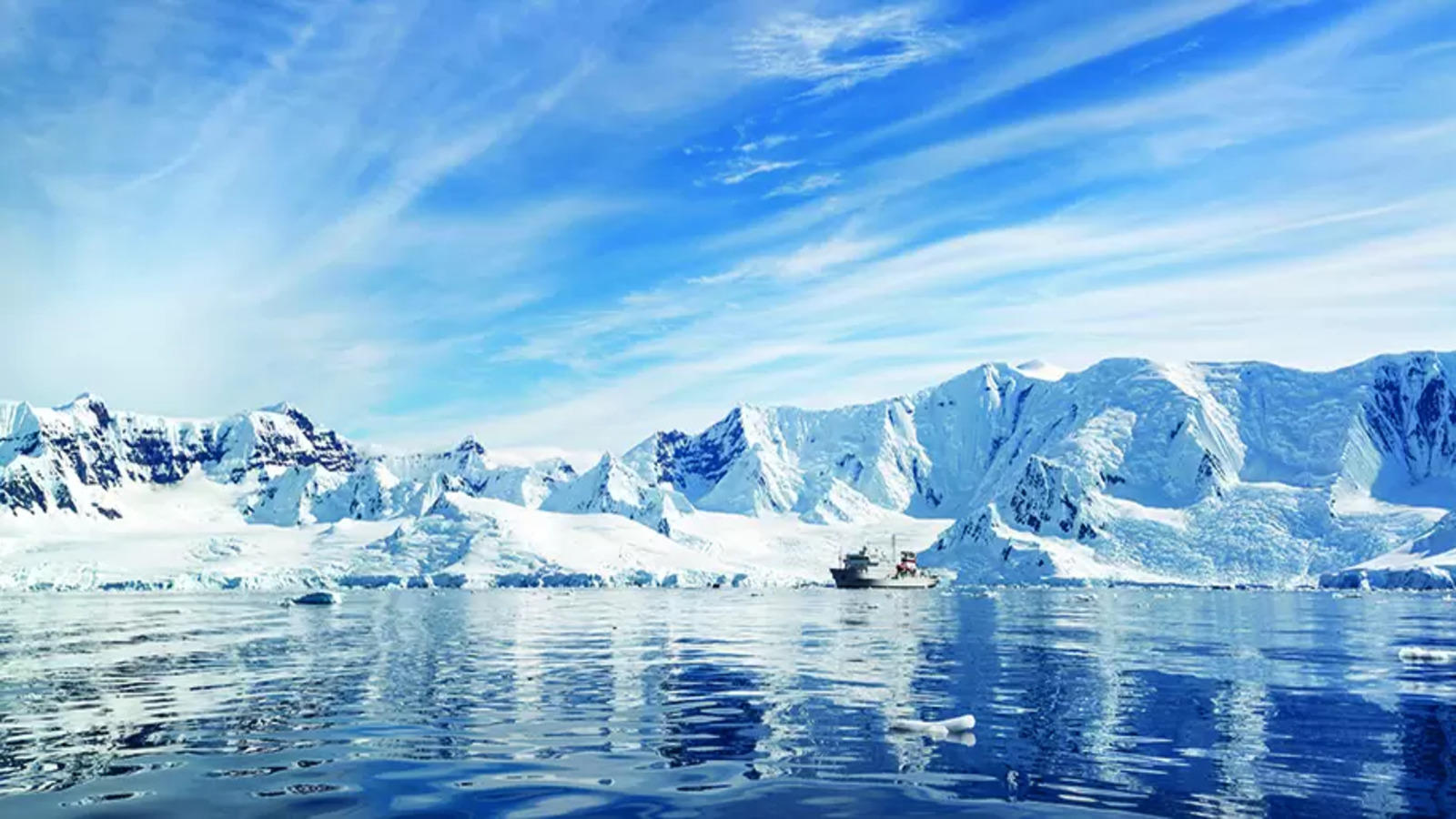
Antarctica was ice-free around 34 million years ago, during a period known as the Eocene-Oligocene boundary. The continent, now a vast frozen landmass, once resembled regions like northern Canada, covered with tundra and forests. According to paleoclimatologist Eric Wolff from the University of Cambridge, this drastic change was largely driven by shifts in carbon dioxide (CO2) levels and tectonic movements that isolated Antarctica from warmer ocean currents, triggering its transformation into an icy wilderness.

The Role of Carbon Dioxide
A major factor in Antarctica’s transition to ice was the significant reduction in atmospheric CO2. During the Eocene epoch, CO2 concentrations were much higher than today—estimated to be between 1,000 and 2,000 parts per million (ppm), compared to current levels of around 420 ppm. Geochemist Tina van de Flierdt from Imperial College London notes that this decline in CO2 levels led to a decrease in global temperatures, creating conditions conducive to the formation of ice sheets. As CO2 levels continued to drop, the cooling effect became more pronounced, setting the stage for the ice-covered landscape that now defines Antarctica.

Tectonic Shifts and Isolation
In addition to CO2 reductions, tectonic movements played a key role in Antarctica’s freezing. The separation of South America from Antarctica during this period opened the Drake Passage, which allowed the formation of the Antarctic Circumpolar Current. This oceanic current effectively isolated the continent, preventing warm tropical waters from reaching its shores. As a result, Antarctica was subjected to colder, more stable temperatures, accelerating its transformation into a frozen desert.


The Eocene-Oligocene Climate Shift
This shift from a warm, ice-free continent to one dominated by ice sheets marked a pivotal moment in Earth’s climate history. The Eocene-Oligocene boundary is recognized as a time when global temperatures dropped significantly, and Antarctica’s isolation contributed to a more dramatic regional change. Scientists suggest that the ice buildup in Antarctica also had far-reaching effects on global sea levels, ocean circulation, and weather patterns.

Modern Climate Comparisons
Understanding what triggered Antarctica’s ice-covered state helps scientists predict future climate trends. The historical record shows that significant changes in CO2 concentrations can have a profound impact on global temperatures and ice coverage. Today, rising CO2 levels due to human activities are contributing to polar ice melt, raising concerns that the reverse of Antarctica’s freezing process may be underway.

Future Implications
As CO2 levels continue to rise in the modern era, there are fears that parts of Antarctica’s ice sheets could begin to melt at an accelerated rate. This would lead to rising sea levels, affecting coastal regions globally. The same forces that froze Antarctica millions of years ago are now being studied to understand the potential for major environmental shifts in the future.

Antarctica’s ancient history serves as a reminder of how delicate Earth’s climate system can be, with CO2 levels and tectonic changes dramatically altering the fate of entire continents.

Antarctica Carbon dioxide Climate Change Eocene-Oligocene Ice Sheets Ice-Free
Share. Facebook Twitter Pinterest LinkedIn Tumblr Email
ayaksız
  • Website

Related Posts

SpaceX’s $1.75 Trillion Valuation Raises Questions Ahead of IPO

Nisan 11, 2026

US Moves to Ease Satellite Power Limits, Boosting Space Broadband

Nisan 10, 2026

iPhone 17 Pro Max NASA Approves iPhone 17 Pro Max for Use on Artemis 2 Deep Space Mission

Nisan 6, 2026
Add A Comment

Comments are closed.

Recent Posts
  • Lucid and Bolt Plan 25,000 Robotaxis for Europe
  • AMD Gives PC Builders More Choice With New Ryzen 5 Desktop Chips
  • Apple Expands Device Protection With a $49.99 Family Plan
  • Snapdragon 8 Elite Extreme Gen 6 Reportedly Beats MediaTek’s Next Flagship Chipset
  • iQOO 16 Design and Colour Options Unveiled With Major Camera Upgrade Confirmed
Tags
AI AI Chips AI Infrastructure Amazon Android Apple Artificial Intelligence Bitcoin ChatGPT China Cryptocurrency Cybersecurity data centers DeepSeek Donald Trump Electric Vehicles Elon Musk Ether Generative AI Google Huawei India Investment Iphone Meta Microsoft NASA National Security Nvidia OnePlus OpenAI Oppo Realme Samsung semiconductor industry Social media Sony SpaceX Technology Tesla Tether TikTok Vivo WhatsApp Xiaomi
Ayaksız
Instagram
© 2026 Ayaksız.

Type above and press Enter to search. Press Esc to cancel.