
Close Menu
  • Home
  • Technology
  • Devices
  • Business
  • Science
  • Gadgets
  • Startups
Ayaksız
  • Home
  • Technology

    Lucid and Bolt Plan 25,000 Robotaxis for Europe

    Eylül 18, 2026

    AMD Gives PC Builders More Choice With New Ryzen 5 Desktop Chips

    Eylül 11, 2026

    Apple Expands Device Protection With a $49.99 Family Plan

    Eylül 11, 2026

    Snapdragon 8 Elite Extreme Gen 6 Reportedly Beats MediaTek’s Next Flagship Chipset

    Eylül 11, 2026

    Pinterest CFO Julia Donnelly to Step Down in October

    Ağustos 30, 2026
  • Devices

    Projector Setup: Separate Placement, Lens Shift, Zoom, and Keystone

    Kasım 18, 2026

    Router Mode or Access Point Mode? Give Each Network Device a Clear Job

    Kasım 18, 2026

    Scanner Feeder or Glass? Choose According to the Original

    Kasım 13, 2026

    Borderless Printing: Why the Edges of Your Photo Can Disappear

    Kasım 12, 2026

    Camera AE Lock: Recompose a Scene Without Letting Exposure Drift

    Kasım 11, 2026
  • Business

    Google Pixel 11 Pro Leaked Renders Indicate It Might Sport Thinner Bezels Than the Pixel 10 Pro

    Mart 30, 2026

    Motorola Edge 70 Debuts With Snapdragon 7 Gen 4, Ultra-Slim 5.99mm Body

    Kasım 5, 2025

    Samsung Galaxy S26 Series Could See Price Increase Amid Rising Component Costs: Report

    Kasım 4, 2025

    Amazon’s AWS Partners with NBA to Power New AI Basketball Platform

    Ekim 4, 2025

    Billionaire-Backed Bitcoin Firm OranjeBTC to List on Brazil’s B3 Exchange

    Ekim 4, 2025
  • Science

    Double Rainbows: Why the Outer Arc Reverses Its Colors

    Kasım 18, 2026

    Why Ice Floats—and Why Water Behaves Differently Near Freezing

    Kasım 13, 2026

    Air Pressure and Altitude: Why Two Weather Readings May Not Be Comparable

    Kasım 12, 2026

    A Light-Year Measures Distance: Understanding the Scale Behind Space Headlines

    Kasım 11, 2026

    Why the Sky Is Blue—and Why the Same Atmosphere Produces Red Sunsets

    Kasım 10, 2026
  • Gadgets

    Tripod Center Columns: Extra Height Comes with a Stability Tradeoff

    Kasım 18, 2026

    E Ink Ghosting: Match the Refresh Mode to the Task

    Kasım 13, 2026

    Camera Lens Hoods: Choose the Right Shape and Check the Whole Frame

    Kasım 12, 2026

    Pop Filters and Windscreens: Match Microphone Protection to the Noise

    Kasım 12, 2026

    USB Hub Power: Check Where Your Connected Devices Get Their Energy

    Kasım 11, 2026
  • Startups

    Cache-Control for Startups: No-Cache and No-Store Solve Different Problems

    Kasım 18, 2026

    Dead-Letter Queues: Investigate Before Replaying Failed Messages

    Kasım 13, 2026

    Database Connection Pools: Budget Across Every Application Replica

    Kasım 13, 2026

    Startup Staging Sites: Separate Search Visibility from Access Control

    Kasım 12, 2026

    API Idempotency Keys: Keep a Retry Connected to the Original Operation

    Kasım 11, 2026
Ayaksız
Anasayfa » Blog » U.S. Implements New Restrictions on China’s Semiconductor Industry
Tech

U.S. Implements New Restrictions on China’s Semiconductor Industry

By ayaksızAralık 2, 2024Yorum yapılmamış2 Mins Read
Facebook Twitter Pinterest LinkedIn Tumblr Email
Share
Facebook Twitter LinkedIn Pinterest Email

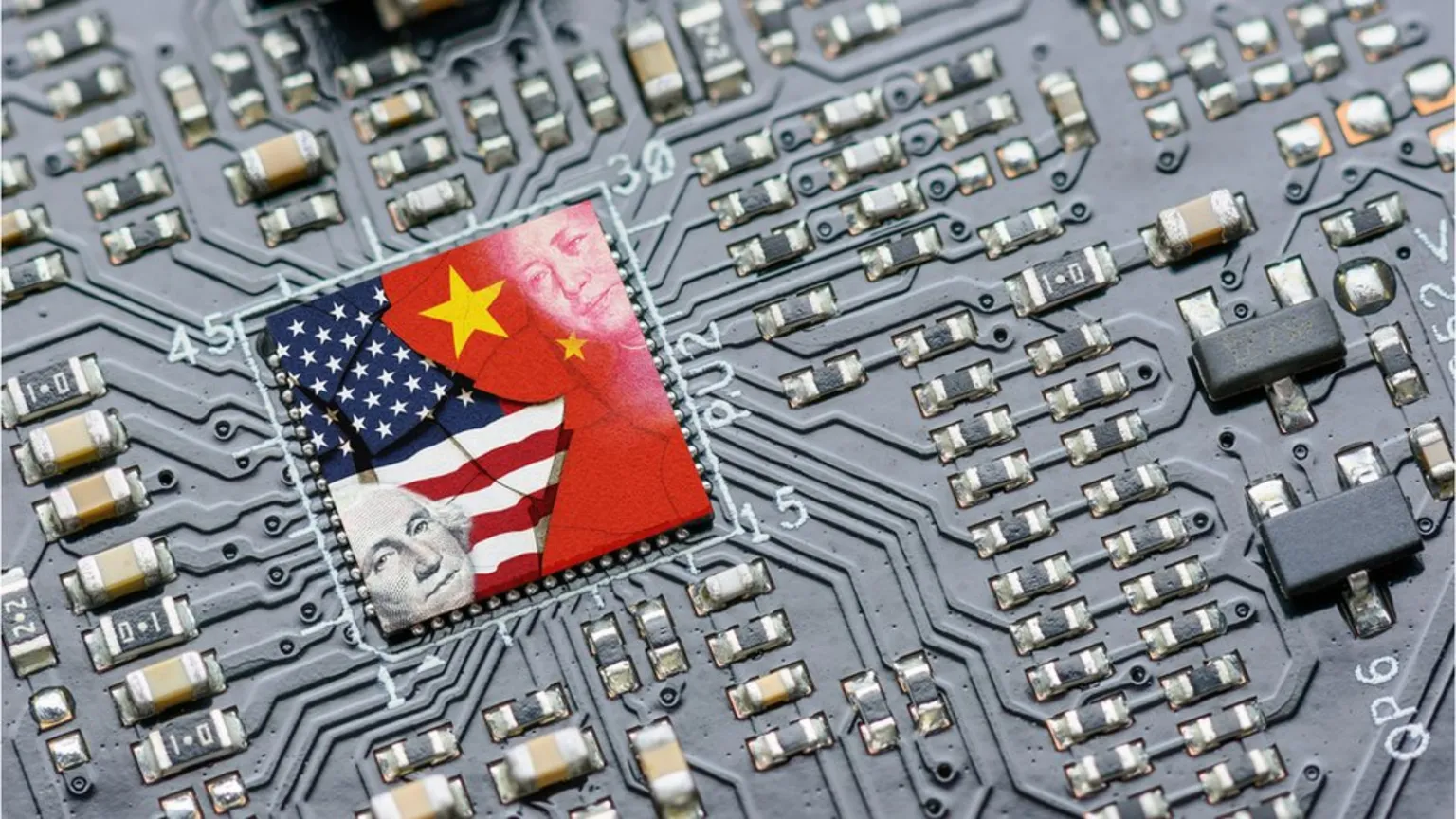
The United States unveiled a new wave of export controls on Monday targeting China’s semiconductor sector. The measures aim to restrict access to advanced chipmaking technologies that could bolster China’s AI and military capabilities. This marks the third significant U.S. crackdown on China’s semiconductor ambitions in three years.

Key Components of the New Restrictions

  1. Expanded Export Controls
    • New Targets: The U.S. added 140 entities, including Naura Technology Group, Piotech, and SiCarrier Technology, to its export restriction list.
    • High Bandwidth Memory (HBM) Chips: Restrictions now apply to advanced HBM chips critical for AI applications.
    • Tool and Equipment Curbs: New controls affect 24 chipmaking tools and three software tools essential for semiconductor production.
  2. Impacted Companies
    • Chinese Firms: Companies such as Swaysure Technology, Qingdao SiEn, and Shenzhen Pensun Technology were added to the Entity List, barring them from receiving U.S. shipments without special licenses.
    • International Suppliers: Major players like Lam Research, KLA, Applied Materials, and Dutch firm ASM International are likely to be affected.
  3. Foreign Direct Product Rule
    • Scope Expansion: The U.S. will regulate foreign-made equipment containing any U.S. chips, with exemptions for Japan and the Netherlands.
    • Affected Regions: Equipment from countries like Israel, South Korea, Taiwan, and Singapore will fall under U.S. controls.
  4. Investment Restrictions
    • For the first time, private equity and tech investment firms, including Wise Road Capital and Wingtech Technology, are included in the Entity List.

U.S. Objectives and Global Implications

The Biden administration aims to stymie China’s ability to produce advanced chips, particularly those used in artificial intelligence and defense. The move underscores bipartisan U.S. concerns over China’s tech ambitions, which are viewed as a national security threat.

China’s Response

Chinese officials criticized the measures, accusing the U.S. of undermining global trade and disrupting supply chains. Beijing vowed to protect the rights of its companies but did not provide specifics on retaliatory actions.

Industry Impact

  • Chinese Semiconductor Industry: The restrictions intensify challenges for China, which is striving for self-reliance in chipmaking but lags behind global leaders like Nvidia and ASML.
  • International Suppliers: Companies like Samsung, SK Hynix, and Micron may face disruptions, particularly in sales of HBM chips to China. Analysts estimate that China accounts for 30% of Samsung’s HBM chip sales.

Historical Context

The latest restrictions build on prior U.S. measures, including sweeping controls introduced in October 2022. These represent the most significant shifts in U.S. tech policy toward China since the 1990s.


advanced AI chips Biden Administration China semiconductor industry Export Controls foreign direct product rule Naura Technology Samsung Electronics U.S. chip restrictions
Share. Facebook Twitter Pinterest LinkedIn Tumblr Email
ayaksız
  • Website

Related Posts

Lucid and Bolt Plan 25,000 Robotaxis for Europe

Eylül 18, 2026

AMD Gives PC Builders More Choice With New Ryzen 5 Desktop Chips

Eylül 11, 2026

Apple Expands Device Protection With a $49.99 Family Plan

Eylül 11, 2026
Add A Comment

Comments are closed.

Recent Posts
  • Projector Setup: Separate Placement, Lens Shift, Zoom, and Keystone
  • Cache-Control for Startups: No-Cache and No-Store Solve Different Problems
  • Tripod Center Columns: Extra Height Comes with a Stability Tradeoff
  • Double Rainbows: Why the Outer Arc Reverses Its Colors
  • Router Mode or Access Point Mode? Give Each Network Device a Clear Job
Tags
AI AI Chips AI Infrastructure Amazon Android Apple Artificial Intelligence Bitcoin ChatGPT China Cryptocurrency Cybersecurity data centers DeepSeek Donald Trump Electric Vehicles Elon Musk Ether Generative AI Google Huawei India Investment Iphone Meta Microsoft NASA National Security Nvidia OnePlus OpenAI Oppo Realme Samsung semiconductor industry Social media Sony SpaceX Technology Tesla Tether TikTok Vivo WhatsApp Xiaomi
Ayaksız
Instagram
© 2026 Ayaksız.

Type above and press Enter to search. Press Esc to cancel.