
Close Menu
  • Home
  • Technology
  • Devices
  • Business
  • Science
  • Gadgets
  • Startups
Ayaksız
  • Home
  • Technology

    Lucid and Bolt Plan 25,000 Robotaxis for Europe

    Eylül 18, 2026

    AMD Gives PC Builders More Choice With New Ryzen 5 Desktop Chips

    Eylül 11, 2026

    Apple Expands Device Protection With a $49.99 Family Plan

    Eylül 11, 2026

    Snapdragon 8 Elite Extreme Gen 6 Reportedly Beats MediaTek’s Next Flagship Chipset

    Eylül 11, 2026

    Pinterest CFO Julia Donnelly to Step Down in October

    Ağustos 30, 2026
  • Devices

    Projector Setup: Separate Placement, Lens Shift, Zoom, and Keystone

    Kasım 18, 2026

    Router Mode or Access Point Mode? Give Each Network Device a Clear Job

    Kasım 18, 2026

    Scanner Feeder or Glass? Choose According to the Original

    Kasım 13, 2026

    Borderless Printing: Why the Edges of Your Photo Can Disappear

    Kasım 12, 2026

    Camera AE Lock: Recompose a Scene Without Letting Exposure Drift

    Kasım 11, 2026
  • Business

    Google Pixel 11 Pro Leaked Renders Indicate It Might Sport Thinner Bezels Than the Pixel 10 Pro

    Mart 30, 2026

    Motorola Edge 70 Debuts With Snapdragon 7 Gen 4, Ultra-Slim 5.99mm Body

    Kasım 5, 2025

    Samsung Galaxy S26 Series Could See Price Increase Amid Rising Component Costs: Report

    Kasım 4, 2025

    Amazon’s AWS Partners with NBA to Power New AI Basketball Platform

    Ekim 4, 2025

    Billionaire-Backed Bitcoin Firm OranjeBTC to List on Brazil’s B3 Exchange

    Ekim 4, 2025
  • Science

    Double Rainbows: Why the Outer Arc Reverses Its Colors

    Kasım 18, 2026

    Why Ice Floats—and Why Water Behaves Differently Near Freezing

    Kasım 13, 2026

    Air Pressure and Altitude: Why Two Weather Readings May Not Be Comparable

    Kasım 12, 2026

    A Light-Year Measures Distance: Understanding the Scale Behind Space Headlines

    Kasım 11, 2026

    Why the Sky Is Blue—and Why the Same Atmosphere Produces Red Sunsets

    Kasım 10, 2026
  • Gadgets

    Tripod Center Columns: Extra Height Comes with a Stability Tradeoff

    Kasım 18, 2026

    E Ink Ghosting: Match the Refresh Mode to the Task

    Kasım 13, 2026

    Camera Lens Hoods: Choose the Right Shape and Check the Whole Frame

    Kasım 12, 2026

    Pop Filters and Windscreens: Match Microphone Protection to the Noise

    Kasım 12, 2026

    USB Hub Power: Check Where Your Connected Devices Get Their Energy

    Kasım 11, 2026
  • Startups

    Cache-Control for Startups: No-Cache and No-Store Solve Different Problems

    Kasım 18, 2026

    Dead-Letter Queues: Investigate Before Replaying Failed Messages

    Kasım 13, 2026

    Database Connection Pools: Budget Across Every Application Replica

    Kasım 13, 2026

    Startup Staging Sites: Separate Search Visibility from Access Control

    Kasım 12, 2026

    API Idempotency Keys: Keep a Retry Connected to the Original Operation

    Kasım 11, 2026
Ayaksız
Anasayfa » Blog » Growing Space Traffic Demands Urgent Global Cooperation, Experts Warn
Science

Growing Space Traffic Demands Urgent Global Cooperation, Experts Warn

By ayaksızAralık 2, 2024Yorum yapılmamış3 Mins Read
Facebook Twitter Pinterest LinkedIn Tumblr Email
Share
Facebook Twitter LinkedIn Pinterest Email

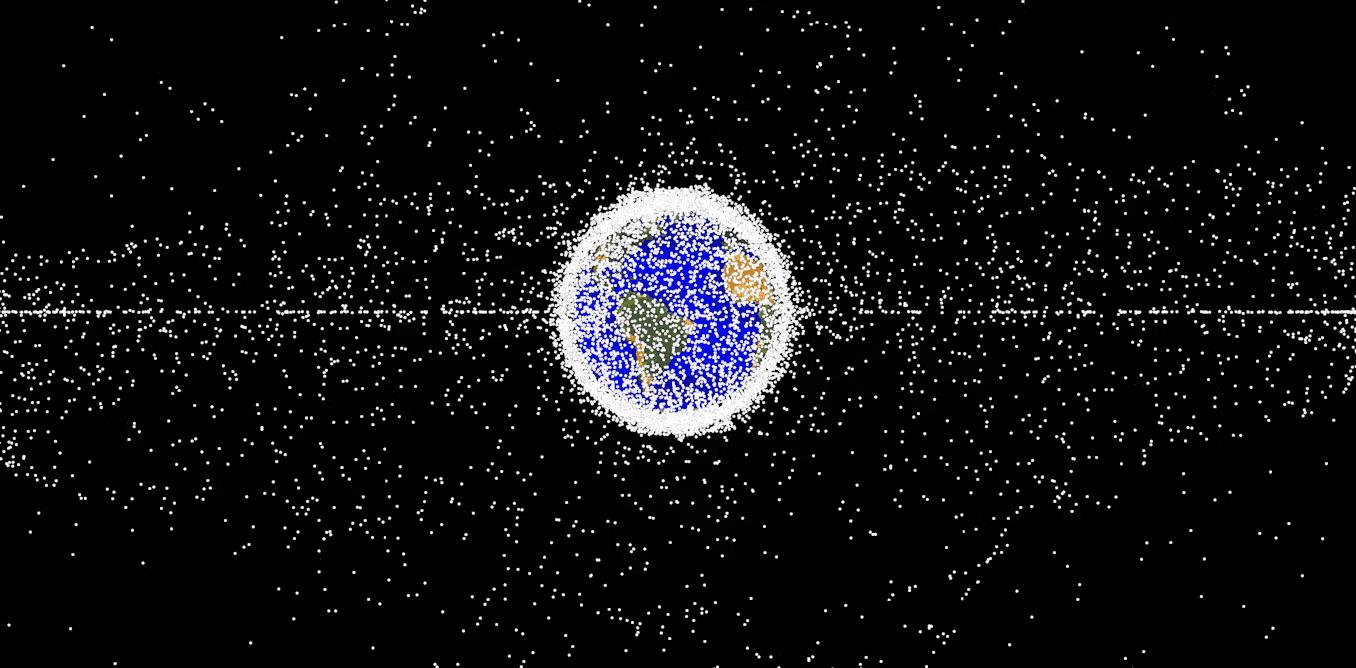
The increasing number of satellites and space debris in low Earth orbit (LEO) is raising serious concerns about potential collisions and the sustainability of space operations. Experts and industry leaders are calling for global cooperation and data sharing to mitigate the risks associated with overcrowded orbits.

Current Space Traffic Crisis

  1. The Scale of Congestion
    • Over 14,000 satellites, including 3,500 inactive ones, currently occupy LEO, alongside 120 million pieces of debris, according to Slingshot Aerospace.
    • Only a fraction of this debris is large enough to track, with smaller fragments still posing significant collision risks.
  2. Recent Incidents Highlight the Risk
    • In August, a Chinese rocket stage explosion created thousands of fragments, further congesting LEO.
    • A defunct Russian satellite exploded in June, leading to emergency shelter protocols for astronauts aboard the International Space Station.
  3. Increase in Close Approaches
    • Slingshot data reveals a 17% rise in close approaches per satellite over the past year, reflecting escalating congestion.

Call for Global Coordination

  1. United Nations Efforts
    • A U.N. panel in October called for a comprehensive shared database of orbital objects and an international framework to track and manage them.
    • Panel co-chair Aarti Holla-Maini emphasized the urgency, warning that delays could compromise critical global systems like communication and navigation.
  2. Challenges to Implementation
    • Geopolitical Tensions: Nations hesitate to share data due to security concerns, especially since many satellites serve dual civilian and military purposes.
    • Commercial Competition: Companies are reluctant to disclose proprietary information, fearing a loss of competitive advantage.
  3. Proposed Solutions
    • Experts suggest leveraging existing technologies like telescopes, radars, and sensors to improve object tracking.
    • Drawing inspiration from the International Civil Aviation Organization, stakeholders propose enforceable space traffic rules.

Growing Commercial Activity

  1. Satellite Proliferation
    • SpaceX’s Starlink system alone accounts for 6,764 satellites in orbit, with collision-avoidance manoeuvres nearly doubling in the first half of 2024.
    • Upcoming launches from China and other operators threaten to push LEO’s carrying capacity to its limits.
  2. Economic Risks
    • A collision probability model predicts potential damages of $556 million over five years, emphasizing the financial stakes of unmanaged space traffic.

The Path Forward

  1. Need for International Consensus
    • Industry leaders stress the importance of unified global regulations to prevent collisions and ensure the sustainable use of space.
    • The U.N. aims to present actionable steps at a Committee on the Peaceful Uses of Outer Space meeting next year.
  2. Barriers to Progress
    • Building consensus amidst geopolitical tensions remains a major challenge.
    • Informal methods, such as reliance on data from the U.S. Space Force, offer temporary solutions but lack standardization and accountability.

Final Thoughts

The rapid increase in space traffic underscores the urgency of global cooperation to avoid a “tragedy of the commons” in LEO. While technical tools exist, achieving consensus and trust among nations and commercial entities remains the critical hurdle.

commercial space sector low Earth orbit satellite collisions Space Debris space traffic U.N. coordination
Share. Facebook Twitter Pinterest LinkedIn Tumblr Email
ayaksız
  • Website

Related Posts

Double Rainbows: Why the Outer Arc Reverses Its Colors

Kasım 18, 2026

Why Ice Floats—and Why Water Behaves Differently Near Freezing

Kasım 13, 2026

Air Pressure and Altitude: Why Two Weather Readings May Not Be Comparable

Kasım 12, 2026
Add A Comment

Comments are closed.

Recent Posts
  • Projector Setup: Separate Placement, Lens Shift, Zoom, and Keystone
  • Cache-Control for Startups: No-Cache and No-Store Solve Different Problems
  • Tripod Center Columns: Extra Height Comes with a Stability Tradeoff
  • Double Rainbows: Why the Outer Arc Reverses Its Colors
  • Router Mode or Access Point Mode? Give Each Network Device a Clear Job
Tags
AI AI Chips AI Infrastructure Amazon Android Apple Artificial Intelligence Bitcoin ChatGPT China Cryptocurrency Cybersecurity data centers DeepSeek Donald Trump Electric Vehicles Elon Musk Ether Generative AI Google Huawei India Investment Iphone Meta Microsoft NASA National Security Nvidia OnePlus OpenAI Oppo Realme Samsung semiconductor industry Social media Sony SpaceX Technology Tesla Tether TikTok Vivo WhatsApp Xiaomi
Ayaksız
Instagram
© 2026 Ayaksız.

Type above and press Enter to search. Press Esc to cancel.