
Close Menu
  • Home
  • Technology
  • Devices
  • Business
  • Science
  • Gadgets
  • Startups
Ayaksız
  • Home
  • Technology

    Lucid and Bolt Plan 25,000 Robotaxis for Europe

    Eylül 18, 2026

    AMD Gives PC Builders More Choice With New Ryzen 5 Desktop Chips

    Eylül 11, 2026

    Apple Expands Device Protection With a $49.99 Family Plan

    Eylül 11, 2026

    Snapdragon 8 Elite Extreme Gen 6 Reportedly Beats MediaTek’s Next Flagship Chipset

    Eylül 11, 2026

    Pinterest CFO Julia Donnelly to Step Down in October

    Ağustos 30, 2026
  • Devices

    iQOO 16 Design and Colour Options Unveiled With Major Camera Upgrade Confirmed

    Eylül 11, 2026

    Lava Bold N4 Pro 5G India Launch Date, Design and Key Specs Confirmed

    Eylül 11, 2026

    Xiaomi 18 Pro Max Geekbench Listing Reveals Key Specifications

    Eylül 10, 2026

    Samsung Galaxy Tab S12 Ultra, Tab S12+ Design Leaks in New Renders

    Eylül 10, 2026

    Vivo X500 Series Designs Revealed Ahead of September Launch

    Eylül 10, 2026
  • Business

    Google Pixel 11 Pro Leaked Renders Indicate It Might Sport Thinner Bezels Than the Pixel 10 Pro

    Mart 30, 2026

    Motorola Edge 70 Debuts With Snapdragon 7 Gen 4, Ultra-Slim 5.99mm Body

    Kasım 5, 2025

    Samsung Galaxy S26 Series Could See Price Increase Amid Rising Component Costs: Report

    Kasım 4, 2025

    Amazon’s AWS Partners with NBA to Power New AI Basketball Platform

    Ekim 4, 2025

    Billionaire-Backed Bitcoin Firm OranjeBTC to List on Brazil’s B3 Exchange

    Ekim 4, 2025
  • Science

    SpaceX’s $1.75 Trillion Valuation Raises Questions Ahead of IPO

    Nisan 11, 2026

    US Moves to Ease Satellite Power Limits, Boosting Space Broadband

    Nisan 10, 2026

    iPhone 17 Pro Max NASA Approves iPhone 17 Pro Max for Use on Artemis 2 Deep Space Mission

    Nisan 6, 2026

    Spain’s First Private 5G Satellite Mission

    Şubat 17, 2026

    Eutelsat Signs Launch Deal With MaiaSpace for LEO Satellites

    Ocak 17, 2026
  • Gadgets

    Vivo Buds Debut in India With Up to 50-Hour Battery Life

    Eylül 10, 2026

    Moto Buds 2 Fusion India Launch Date Confirmed, Features Teased

    Eylül 10, 2026

    Sennheiser Unveils Accentum Clip Earbuds With Up to 36 Hours of Total Battery Life

    Temmuz 2, 2026

    Nothing Ear 3a and CMF Buds Neo Appear in Regulatory Filings, Hinting at Upcoming Launch

    Haziran 2, 2026

    OnePlus Watch 4 Leak Hints at Launch With Snapdragon W5 and OxygenOS Watch 8

    Nisan 22, 2026
  • Startups

    Glean Reaches $7.2 Billion Valuation Amid AI Investment Surge

    Haziran 15, 2025

    How I Built a $2 Billion Super App: The Journey of Grab’s Anthony Tan and ’20-Hour’ Workdays

    Ekim 7, 2024

    Tupperware Files for Bankruptcy as Demand Declines

    Eylül 18, 2024

    Wildfire Detection Device Wins UK James Dyson Award

    Eylül 12, 2024

    Japan and Tokyo Governments Eye $4.7 Billion Valuation for Tokyo Metro in Upcoming IPO

    Ağustos 19, 2024
Ayaksız
Anasayfa » Blog » Hong Kong Plans Mass Surveillance Expansion, Raising Concerns Over Mainland-Style Control
Business

Hong Kong Plans Mass Surveillance Expansion, Raising Concerns Over Mainland-Style Control

By ayaksızEkim 6, 2024Yorum yapılmamış4 Mins Read
Facebook Twitter Pinterest LinkedIn Tumblr Email
Share
Facebook Twitter LinkedIn Pinterest Email

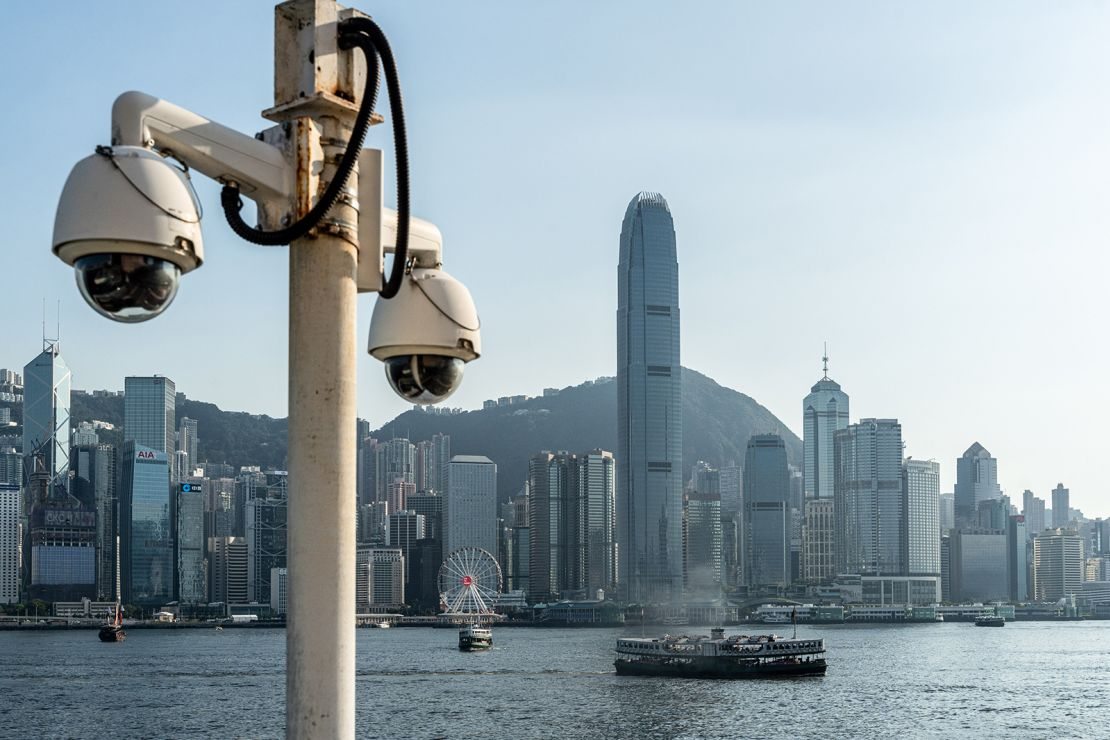
The streets of Hong Kong are set to see a significant increase in surveillance as the city’s police plan to install thousands of new cameras. This move has sparked concern among critics who fear the expansion will push Hong Kong closer to the mainland Chinese model of surveillance, where facial recognition and artificial intelligence (AI) play a critical role in maintaining control.

Despite Hong Kong’s reputation as one of the safest major cities in the world, local authorities argue that the new cameras are essential for fighting crime. The plan includes potentially equipping these devices with facial recognition technology and AI tools in the future.

The Hong Kong Police Force has already set an ambitious goal of installing 2,000 new surveillance cameras this year, with the possibility of continuing at a similar rate in the years to come. Security Chief Chris Tang has suggested that AI might be used to help track down suspects, following the lead of other countries that have implemented such technologies. However, the exact number of cameras that will have facial recognition capabilities and the timeline for introducing this technology remain unclear.

Comparisons and Concerns

Tang has pointed to countries like Singapore and the United Kingdom, which have integrated extensive surveillance networks, as examples to justify Hong Kong’s expansion. Singapore, for instance, has 90,000 cameras, while the UK leads with over seven million. Though some Western nations have started using facial recognition technology, these cases have highlighted the need for strict regulations and privacy safeguards—areas where critics believe Hong Kong may fall short.

Hong Kong’s political environment, which has shifted significantly since the 2019 pro-democracy protests, adds a layer of complexity to the debate. The protests were followed by the introduction of a sweeping national security law that has since been used to suppress dissent and imprison activists. Critics argue that introducing facial recognition and other AI-powered surveillance tools in such an environment raises concerns about their use for political repression.

Samantha Hoffman, a nonresident fellow at the National Bureau of Asian Research, notes the stark difference between surveillance in Hong Kong and Western democracies. While countries like the U.S. or UK may have issues with implementing surveillance technology, the system in Hong Kong is fundamentally different due to its authoritarian political context. This makes the city’s potential shift toward mainland China’s surveillance practices particularly troubling.

Surveillance in Hong Kong vs. Mainland China

While Hong Kong currently has about 54,500 public CCTV cameras, or roughly seven cameras per 1,000 people, this is far fewer than the 440 cameras per 1,000 people seen in mainland Chinese cities. Mainland China’s surveillance network is notoriously comprehensive, with facial recognition a part of everyday life, from registering phone numbers to subway gates.

The fear that Hong Kong could follow this model has deepened in recent years. During the 2019 protests, demonstrators took steps to conceal their identities by covering their faces or destroying cameras, as they worried about the encroachment of mainland-style surveillance.

One notable incident saw activists tearing down a “smart” lamp post that authorities claimed was only gathering environmental data. Joshua Wong, a prominent activist now imprisoned, voiced concerns that these devices could be equipped with facial recognition, reflecting broader fears about Beijing’s growing influence over the city.

Looking Ahead: Surveillance Regulation and Public Trust

The Hong Kong Police Force has stated that the new cameras will only monitor public spaces and that footage will be deleted after 31 days. They have also promised to comply with privacy laws, but critics remain skeptical. Steve Tsang, director of the SOAS China Institute, warns that without clear assurances, the new surveillance system could be used to suppress political dissent under the national security law.

Other experts, like Normann Witzleb, an associate professor at the Chinese University of Hong Kong, emphasize the need for a thorough regulatory framework. It remains unclear how authorities will use facial recognition—whether it will scan environments in real time or be used retrospectively to analyze footage in specific cases. Questions also linger over who will control the technology, under what circumstances it will be deployed, and whether it will integrate with other government databases.

As Hong Kong moves forward with its surveillance expansion, experts like Samantha Hoffman argue that the very presence of these cameras could create a chilling effect on public behavior. The perception of constant monitoring may undermine the sense of freedom in a city once known for its semi-autonomy and political liberties.


2019 Protests AI in Policing Chris Tang Facial Recognition Technology Hong Kong Surveillance Expansion Joshua Wong Mainland China Influence national security law Normann Witzleb Privacy Concerns Samantha Hoffman Steve Tsang
Share. Facebook Twitter Pinterest LinkedIn Tumblr Email
ayaksız
  • Website

Related Posts

Google Pixel 11 Pro Leaked Renders Indicate It Might Sport Thinner Bezels Than the Pixel 10 Pro

Mart 30, 2026

Motorola Edge 70 Debuts With Snapdragon 7 Gen 4, Ultra-Slim 5.99mm Body

Kasım 5, 2025

Samsung Galaxy S26 Series Could See Price Increase Amid Rising Component Costs: Report

Kasım 4, 2025
Add A Comment

Comments are closed.

Recent Posts
  • Lucid and Bolt Plan 25,000 Robotaxis for Europe
  • AMD Gives PC Builders More Choice With New Ryzen 5 Desktop Chips
  • Apple Expands Device Protection With a $49.99 Family Plan
  • Snapdragon 8 Elite Extreme Gen 6 Reportedly Beats MediaTek’s Next Flagship Chipset
  • iQOO 16 Design and Colour Options Unveiled With Major Camera Upgrade Confirmed
Tags
AI AI Chips AI Infrastructure Amazon Android Apple Artificial Intelligence Bitcoin ChatGPT China Cryptocurrency Cybersecurity data centers DeepSeek Donald Trump Electric Vehicles Elon Musk Ether Generative AI Google Huawei India Investment Iphone Meta Microsoft NASA National Security Nvidia OnePlus OpenAI Oppo Realme Samsung semiconductor industry Social media Sony SpaceX Technology Tesla Tether TikTok Vivo WhatsApp Xiaomi
Ayaksız
Instagram
© 2026 Ayaksız.

Type above and press Enter to search. Press Esc to cancel.