
Close Menu
  • Home
  • Technology
  • Devices
  • Business
  • Science
  • Gadgets
  • Startups
Ayaksız
  • Home
  • Technology

    Lucid and Bolt Plan 25,000 Robotaxis for Europe

    Eylül 18, 2026

    AMD Gives PC Builders More Choice With New Ryzen 5 Desktop Chips

    Eylül 11, 2026

    Apple Expands Device Protection With a $49.99 Family Plan

    Eylül 11, 2026

    Snapdragon 8 Elite Extreme Gen 6 Reportedly Beats MediaTek’s Next Flagship Chipset

    Eylül 11, 2026

    Pinterest CFO Julia Donnelly to Step Down in October

    Ağustos 30, 2026
  • Devices

    Projector Setup: Separate Placement, Lens Shift, Zoom, and Keystone

    Kasım 18, 2026

    Router Mode or Access Point Mode? Give Each Network Device a Clear Job

    Kasım 18, 2026

    Scanner Feeder or Glass? Choose According to the Original

    Kasım 13, 2026

    Borderless Printing: Why the Edges of Your Photo Can Disappear

    Kasım 12, 2026

    Camera AE Lock: Recompose a Scene Without Letting Exposure Drift

    Kasım 11, 2026
  • Business

    Google Pixel 11 Pro Leaked Renders Indicate It Might Sport Thinner Bezels Than the Pixel 10 Pro

    Mart 30, 2026

    Motorola Edge 70 Debuts With Snapdragon 7 Gen 4, Ultra-Slim 5.99mm Body

    Kasım 5, 2025

    Samsung Galaxy S26 Series Could See Price Increase Amid Rising Component Costs: Report

    Kasım 4, 2025

    Amazon’s AWS Partners with NBA to Power New AI Basketball Platform

    Ekim 4, 2025

    Billionaire-Backed Bitcoin Firm OranjeBTC to List on Brazil’s B3 Exchange

    Ekim 4, 2025
  • Science

    Double Rainbows: Why the Outer Arc Reverses Its Colors

    Kasım 18, 2026

    Why Ice Floats—and Why Water Behaves Differently Near Freezing

    Kasım 13, 2026

    Air Pressure and Altitude: Why Two Weather Readings May Not Be Comparable

    Kasım 12, 2026

    A Light-Year Measures Distance: Understanding the Scale Behind Space Headlines

    Kasım 11, 2026

    Why the Sky Is Blue—and Why the Same Atmosphere Produces Red Sunsets

    Kasım 10, 2026
  • Gadgets

    Tripod Center Columns: Extra Height Comes with a Stability Tradeoff

    Kasım 18, 2026

    E Ink Ghosting: Match the Refresh Mode to the Task

    Kasım 13, 2026

    Camera Lens Hoods: Choose the Right Shape and Check the Whole Frame

    Kasım 12, 2026

    Pop Filters and Windscreens: Match Microphone Protection to the Noise

    Kasım 12, 2026

    USB Hub Power: Check Where Your Connected Devices Get Their Energy

    Kasım 11, 2026
  • Startups

    Cache-Control for Startups: No-Cache and No-Store Solve Different Problems

    Kasım 18, 2026

    Dead-Letter Queues: Investigate Before Replaying Failed Messages

    Kasım 13, 2026

    Database Connection Pools: Budget Across Every Application Replica

    Kasım 13, 2026

    Startup Staging Sites: Separate Search Visibility from Access Control

    Kasım 12, 2026

    API Idempotency Keys: Keep a Retry Connected to the Original Operation

    Kasım 11, 2026
Ayaksız
Anasayfa » Blog » NASA’s SWOT Satellite Uncovers Outsized Role of Tiny Ocean Currents in Shaping Marine Ecosystems
Science

NASA’s SWOT Satellite Uncovers Outsized Role of Tiny Ocean Currents in Shaping Marine Ecosystems

By ayaksızMayıs 27, 2025Yorum yapılmamış2 Mins Read
Facebook Twitter Pinterest LinkedIn Tumblr Email
Share
Facebook Twitter LinkedIn Pinterest Email

NASA’s SWOT Satellite Sheds Light on Hidden Ocean Currents That Influence Global Climate and Marine Life

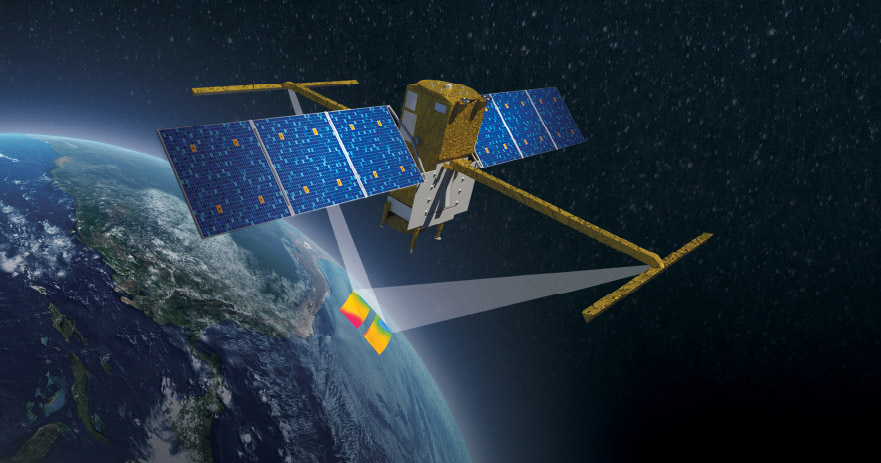
The smallest of ocean waves and currents, long overlooked by traditional observation methods, are now emerging as key players in shaping the Earth’s climate and marine ecosystems. Thanks to high-resolution imaging from NASA’s SWOT (Surface Water and Ocean Topography) satellite—developed in partnership with the French space agency CNES—scientists are getting an unprecedented view of submesoscale ocean activity. These features, spanning just a mile or so, are instrumental in transferring carbon, heat, and nutrients throughout ocean layers, highlighting the hidden complexity and power of the world’s marine systems.

In recent studies led by NASA’s Jet Propulsion Laboratory (JPL), SWOT has demonstrated its ability to map vertical ocean currents in detail. Previously, such currents fell into a frustrating observational blind spot: too small for satellites to detect, yet too vast for direct ship-based instruments to monitor. With SWOT, researchers can now see how these vertical circulations move water—and the energy and materials within it—from deep ocean layers to the surface, impacting everything from temperature regulation to nutrient cycles. For instance, the satellite tracked a swirling submesoscale eddy in the Kuroshio Current and detected vertical movements of up to 14 meters per day.

These vertical exchanges play a crucial role in ecosystem health and climate processes. “Vertical currents can bring heat from deep layers to the surface, warming the atmosphere,” said oceanographer Matthew Archer. In another case, SWOT identified an internal solitary wave in the Andaman Sea that carried twice the energy of a typical internal tide. Using sea surface height data, the satellite helps researchers infer not only the slope of waves but also the fluid pressure, which ultimately reveals the strength and influence of oceanic motion. “Force is the fundamental quantity driving fluid motion,” added coauthor Jinbo Wang from Texas A&M University.

Beyond observation, the SWOT mission is reshaping the way scientists model the ocean. Lee Fu, a senior researcher at JPL, emphasized that ocean simulation tools must now adapt to account for these newly visible small-scale processes. NASA has already begun integrating SWOT data into its ECCO ocean model to improve accuracy in climate forecasting. As SWOT continues to provide continuous, detailed measurements of ocean topography, it promises to deepen our understanding of how fine-scale ocean mechanics influence broader environmental changes and climate dynamics.

climate models CNES Marine Ecosystems NASA Ocean Circulation ocean currents Space Science submesoscale SWOT satellite
Share. Facebook Twitter Pinterest LinkedIn Tumblr Email
ayaksız
  • Website

Related Posts

Double Rainbows: Why the Outer Arc Reverses Its Colors

Kasım 18, 2026

Why Ice Floats—and Why Water Behaves Differently Near Freezing

Kasım 13, 2026

Air Pressure and Altitude: Why Two Weather Readings May Not Be Comparable

Kasım 12, 2026
Add A Comment

Comments are closed.

Recent Posts
  • Projector Setup: Separate Placement, Lens Shift, Zoom, and Keystone
  • Cache-Control for Startups: No-Cache and No-Store Solve Different Problems
  • Tripod Center Columns: Extra Height Comes with a Stability Tradeoff
  • Double Rainbows: Why the Outer Arc Reverses Its Colors
  • Router Mode or Access Point Mode? Give Each Network Device a Clear Job
Tags
AI AI Chips AI Infrastructure Amazon Android Apple Artificial Intelligence Bitcoin ChatGPT China Cryptocurrency Cybersecurity data centers DeepSeek Donald Trump Electric Vehicles Elon Musk Ether Generative AI Google Huawei India Investment Iphone Meta Microsoft NASA National Security Nvidia OnePlus OpenAI Oppo Realme Samsung semiconductor industry Social media Sony SpaceX Technology Tesla Tether TikTok Vivo WhatsApp Xiaomi
Ayaksız
Instagram
© 2026 Ayaksız.

Type above and press Enter to search. Press Esc to cancel.