
Close Menu
  • Home
  • Technology
  • Devices
  • Business
  • Science
  • Gadgets
  • Startups
Ayaksız
  • Home
  • Technology

    Lucid and Bolt Plan 25,000 Robotaxis for Europe

    Eylül 18, 2026

    AMD Gives PC Builders More Choice With New Ryzen 5 Desktop Chips

    Eylül 11, 2026

    Apple Expands Device Protection With a $49.99 Family Plan

    Eylül 11, 2026

    Snapdragon 8 Elite Extreme Gen 6 Reportedly Beats MediaTek’s Next Flagship Chipset

    Eylül 11, 2026

    Pinterest CFO Julia Donnelly to Step Down in October

    Ağustos 30, 2026
  • Devices

    iQOO 16 Design and Colour Options Unveiled With Major Camera Upgrade Confirmed

    Eylül 11, 2026

    Lava Bold N4 Pro 5G India Launch Date, Design and Key Specs Confirmed

    Eylül 11, 2026

    Xiaomi 18 Pro Max Geekbench Listing Reveals Key Specifications

    Eylül 10, 2026

    Samsung Galaxy Tab S12 Ultra, Tab S12+ Design Leaks in New Renders

    Eylül 10, 2026

    Vivo X500 Series Designs Revealed Ahead of September Launch

    Eylül 10, 2026
  • Business

    Google Pixel 11 Pro Leaked Renders Indicate It Might Sport Thinner Bezels Than the Pixel 10 Pro

    Mart 30, 2026

    Motorola Edge 70 Debuts With Snapdragon 7 Gen 4, Ultra-Slim 5.99mm Body

    Kasım 5, 2025

    Samsung Galaxy S26 Series Could See Price Increase Amid Rising Component Costs: Report

    Kasım 4, 2025

    Amazon’s AWS Partners with NBA to Power New AI Basketball Platform

    Ekim 4, 2025

    Billionaire-Backed Bitcoin Firm OranjeBTC to List on Brazil’s B3 Exchange

    Ekim 4, 2025
  • Science

    SpaceX’s $1.75 Trillion Valuation Raises Questions Ahead of IPO

    Nisan 11, 2026

    US Moves to Ease Satellite Power Limits, Boosting Space Broadband

    Nisan 10, 2026

    iPhone 17 Pro Max NASA Approves iPhone 17 Pro Max for Use on Artemis 2 Deep Space Mission

    Nisan 6, 2026

    Spain’s First Private 5G Satellite Mission

    Şubat 17, 2026

    Eutelsat Signs Launch Deal With MaiaSpace for LEO Satellites

    Ocak 17, 2026
  • Gadgets

    Vivo Buds Debut in India With Up to 50-Hour Battery Life

    Eylül 10, 2026

    Moto Buds 2 Fusion India Launch Date Confirmed, Features Teased

    Eylül 10, 2026

    Sennheiser Unveils Accentum Clip Earbuds With Up to 36 Hours of Total Battery Life

    Temmuz 2, 2026

    Nothing Ear 3a and CMF Buds Neo Appear in Regulatory Filings, Hinting at Upcoming Launch

    Haziran 2, 2026

    OnePlus Watch 4 Leak Hints at Launch With Snapdragon W5 and OxygenOS Watch 8

    Nisan 22, 2026
  • Startups

    Glean Reaches $7.2 Billion Valuation Amid AI Investment Surge

    Haziran 15, 2025

    How I Built a $2 Billion Super App: The Journey of Grab’s Anthony Tan and ’20-Hour’ Workdays

    Ekim 7, 2024

    Tupperware Files for Bankruptcy as Demand Declines

    Eylül 18, 2024

    Wildfire Detection Device Wins UK James Dyson Award

    Eylül 12, 2024

    Japan and Tokyo Governments Eye $4.7 Billion Valuation for Tokyo Metro in Upcoming IPO

    Ağustos 19, 2024
Ayaksız
Anasayfa » Blog » NASA Study Suggests Solar Wind Plays a Crucial Role in Water Formation on the Moon
Science

NASA Study Suggests Solar Wind Plays a Crucial Role in Water Formation on the Moon

By ayaksızNisan 27, 2025Yorum yapılmamış3 Mins Read
Facebook Twitter Pinterest LinkedIn Tumblr Email
Share
Facebook Twitter LinkedIn Pinterest Email

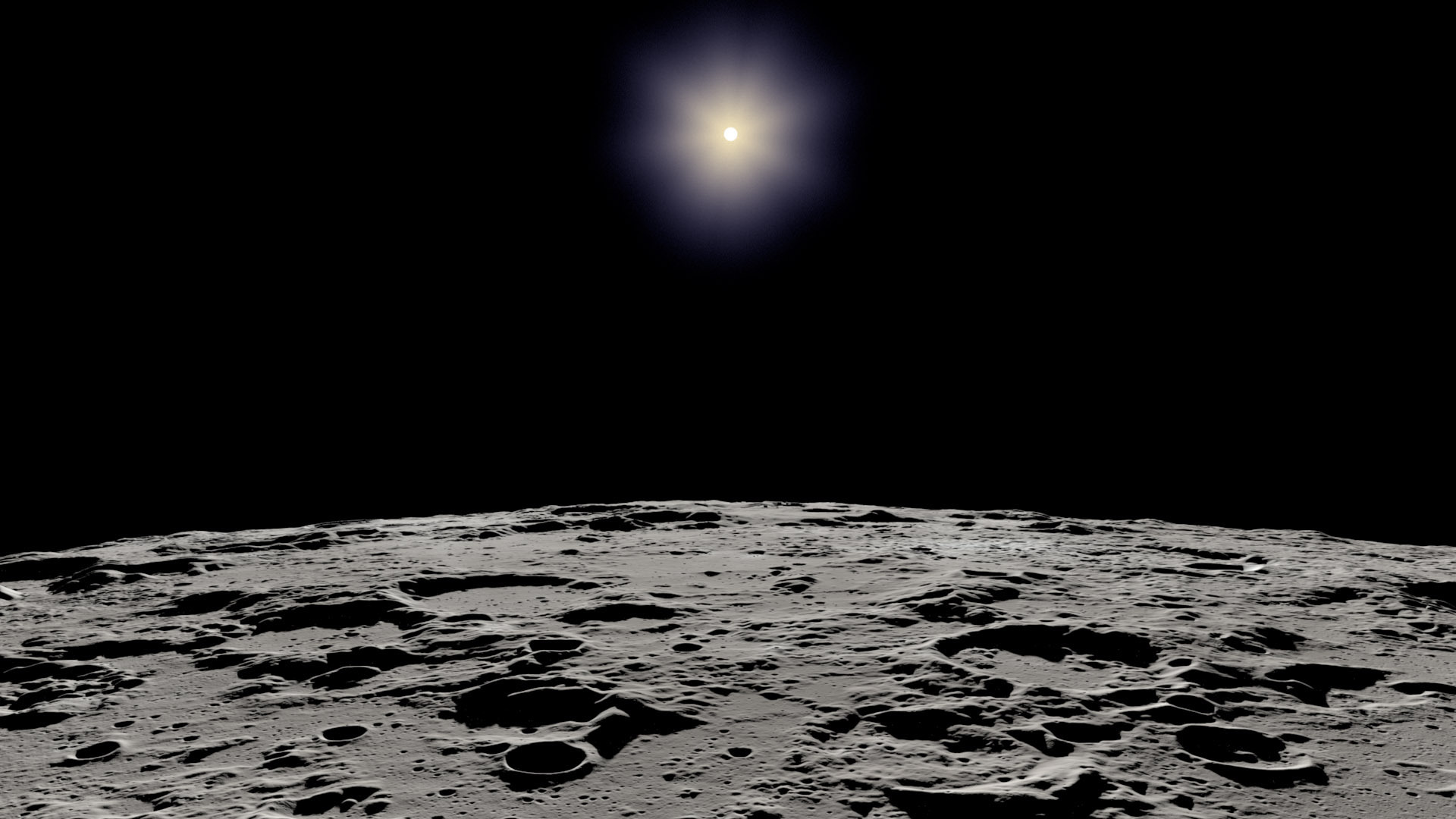
A recent study has revealed an intriguing possibility: solar wind may play a pivotal role in the formation of water on the Moon. The Moon’s surface, covered in a layer of dust and rock known as regolith, has long been thought to contain traces of water—an essential resource for future lunar missions, especially for fueling rockets. Researchers found that this water, found in the form of both water molecules and hydroxyl groups, is embedded within the regolith, which is constantly bombarded by meteoroids and charged particles from the Sun. Surprisingly, the amount of water detected ranged from 200 to 300 parts per million, a significant but modest amount that could have important implications for future lunar exploration.

One of the most striking findings from the study was the low levels of deuterium, an isotope of hydrogen, present in the water and hydroxyl molecules. This suggests that the hydrogen atoms that form the water molecules likely originate from the Sun. The solar wind, a continuous stream of charged particles, delivers these hydrogen particles to the Moon’s surface. When these particles interact with oxygen embedded in the lunar surface rocks, chemical reactions occur, resulting in the formation of water molecules. This discovery not only sheds new light on the Moon’s water composition but also suggests that other airless celestial bodies in the solar system, such as asteroids, may possess water as well.

This groundbreaking research builds on a long-held hypothesis that dates back to the 1960s, when scientists first proposed that the solar wind could be responsible for generating water on the Moon. For decades, this idea remained theoretical, with limited evidence to support it. However, a recent lab simulation conducted by NASA has provided compelling evidence to confirm this hypothesis. The simulation mimicked the process of solar wind interacting with lunar regolith, successfully demonstrating that the charged particles from the Sun can indeed lead to the creation of water on the Moon’s surface. This finding holds significant implications for NASA’s Artemis program, which is preparing to send astronauts to the lunar South Pole, where much of the Moon’s water is believed to be frozen in permanently shadowed craters.

The solar wind, composed mainly of protons (hydrogen nuclei), constantly flows from the Sun, bombarding celestial bodies throughout the solar system. While Earth is shielded from these particles by its magnetic field and atmosphere, the Moon lacks such protection, making it more susceptible to the solar wind’s effects. Computer models and lab tests have shown that when protons collide with the lunar regolith, they interact with electrons and recombine to form hydrogen atoms. This hydrogen then combines with oxygen in the regolith, forming hydroxyl and water molecules. Although hydroxyl and water are chemically similar and difficult to differentiate with current technology, their presence beneath the lunar surface is undeniable. This discovery marks a significant step forward in our understanding of the Moon’s potential as a resource for future space missions.

meteoroids Moon NASA solar wind
Share. Facebook Twitter Pinterest LinkedIn Tumblr Email
ayaksız
  • Website

Related Posts

US Revises China Hacking Claims, Says Agencies Were Targets Rather Than Confirmed Victims

Ağustos 30, 2026

US Says Chinese Hackers Targeted Justice Department, NASA, Federal Reserve and Senate

Ağustos 28, 2026

SpaceX’s $1.75 Trillion Valuation Raises Questions Ahead of IPO

Nisan 11, 2026
Add A Comment

Comments are closed.

Recent Posts
  • Lucid and Bolt Plan 25,000 Robotaxis for Europe
  • AMD Gives PC Builders More Choice With New Ryzen 5 Desktop Chips
  • Apple Expands Device Protection With a $49.99 Family Plan
  • Snapdragon 8 Elite Extreme Gen 6 Reportedly Beats MediaTek’s Next Flagship Chipset
  • iQOO 16 Design and Colour Options Unveiled With Major Camera Upgrade Confirmed
Tags
AI AI Chips AI Infrastructure Amazon Android Apple Artificial Intelligence Bitcoin ChatGPT China Cryptocurrency Cybersecurity data centers DeepSeek Donald Trump Electric Vehicles Elon Musk Ether Generative AI Google Huawei India Investment Iphone Meta Microsoft NASA National Security Nvidia OnePlus OpenAI Oppo Realme Samsung semiconductor industry Social media Sony SpaceX Technology Tesla Tether TikTok Vivo WhatsApp Xiaomi
Ayaksız
Instagram
© 2026 Ayaksız.

Type above and press Enter to search. Press Esc to cancel.